







Leadership
Hierarchies don’t kill innovation





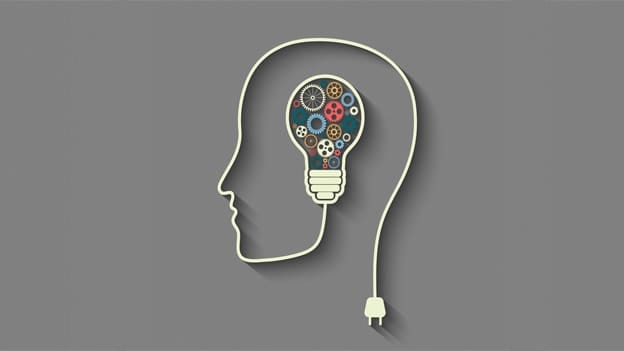
Certain organizational models and structures do a better job in supporting agility and innovation, but it must be remembered that innovation ultimately comes from people not processes, not technology, not structures.
Organizational hierarchies have existed for a long time and when implemented well, they drive clarity of ownership and accountability, which is crucial for organizations to function well. It is not the hierarchies that affect an organization’s ability to support innovation and agility. Rather, it is the ability or the inability of an organization to create a psychologically safe environment for ideas to flourish, people to experiment, fail fast and learn quickly, and for diverse opinions and experiences to thrive that makes or breaks its ability to innovate.
I do not think that hierarchies kill innovation. It is the people who operate with a fixed mindset that do that. At Accenture, we have recently started rolling out The Leadership DNA – it is a way to think about the leadership behaviors that are needed in a digital world that will support our organization’s ability to drive purposeful innovation at speed. The leadership behaviors apply across all levels in our organization and span across five key dimensions – innovate for results, advocate an inspiring vision, collaborate across the ecosystem, execute with agility and personalize in a truly human way. These dimensions are firmly grounded in our core values. Being clear on what the appropriate behaviors of leaders at all levels are is the key to drive a culture that is fertile for innovation to thrive.
Three practical recommendations on how innovation can thrive:
Help individuals at all levels to adopt a growth mindset. It all starts with how we choose to see the world. Leaders who demonstrate growth mindsets and are open to new and varied suggestions are willing to provide opportunities for their teams to experiment with guardrails in place. Like everything, growth mindsets are not adopted overnight. They need to be nurtured and supported. Adopting a growth mindset inspires leaders to encourage their teams to try new things and build new skills.
Review and adjust talent management processes in a holistic way to support the right leadership behaviors. Embedding and ‘hard coding’ new behaviors takes time and needs to be reinforced across the talent management lifecycle. From recruitment, performance management to rewards, constant reinforcement is needed to shift behaviors and culture. Who we bring into an organization, promote, and ask to leave fundamentally speaks volumes on what the real culture of an organization is.
Hierarchies don't kill innovation; it is the people who operate with a fixed mindset who kill innovation
Choose to build inclusion in your organization. It is essential for teams to share perspectives and opinions in a safe environment and work through conflicts in a healthy manner. For people to celebrate differences and respect contributions coming from individuals regardless of the levels, roles or backgrounds within the organization is key to success. I believe magic happens when individuals can bring their best selves to work and feel that they are supported to achieve their truest potential.
Yes, certain organization models and structures do a better job in supporting agility and innovation, but we must remember that innovation ultimately comes from people – not processes, not technology, not structures. Creating the right environment and culture will allow innovation to grow and thrive sustainably in organizations.
Topics
Author
Loading...