







EMPLOYEE RELATIONS
The One Thing #14: Nurturing talent through diversity





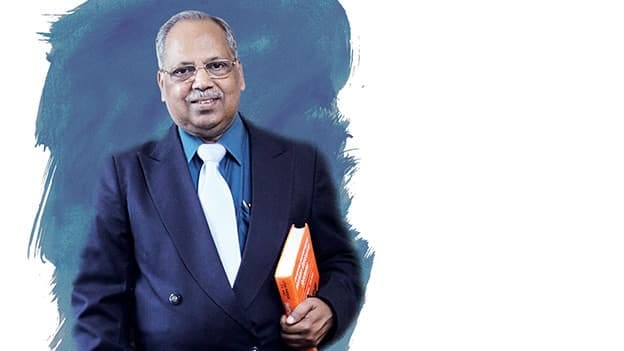
Understand GenY and their concerns and identify factors that are likely to get them to contribute their best
A lot of talent assessment was done in the past decade through various interventions like 360 degree feedback, assessment centres, engagement surveys and the like but developing and nurturing talent in the business context was weak. Investments in such assessments need to be converted into human capital assets for the organizations. This requires understanding the talent not only in the business context but also in the context of gender and generation diversity under one roof.
We need to understand the unique contribution each individual can make to the corporation by virtue of their generation, age group and professional background, while gender differences need to be studied and nurtured. For example, a large part of our workforce may consist of GenY in their 20s and 30s. A relatively smaller but a significant part of it may consist of GenX (in their 40s and 50s), who have lots of experience. Gender difference in talent may or may not exist. Understanding the unique talent pool each category of employees brings to the work place in the context of the nature of the organization needs to be understood and strategies to nurture, develop and utilize talent is a critical imperative for 2014.
I consider GenY as multifaceted and talented. They are going to constitute the future work force. Unless we understand them, nurture their talent; develop organizational loyalty, professional commitment and long-term view of life, they are likely to create more challenges for future HR professionals. GenY are technology people and one of the consequences of technology is the desire to take instantaneous or appreciate spot decisions and get immediate gratification. They need to be helped to take long-term view of things and develop their own human capital as short tenures may not help them multiply capital of one kind (depth) while it may develop capital of another kind (breadth). Impatience and irresponsibility are likely to be on the increase. Career planning may mean nothing for them and they are going to be social-media driven. Hence, it is important to understand their concerns, talent and identify factors that are likely to get them to contribute their best.
Similarly, a part of the experienced and expert workforce at senior levels in their 40s and 50s need to be respected for their knowledge and skills and need to be suited to mentor, nurture and develop future leaders among the GenY. This needs to be carefully orchestrated by the HR leaders. HR policies and practices that suit each groups and perhaps each set of individuals or cohorts of individuals need to be drafted and perhaps replace uniform and homogeneous policies applicable for all. Such policies should be based on a good understanding of the nature of different groups of people and such understanding should come from continuous research to understand people in the new context.
Similarly, seniors near retirement are likely to walk away with bundles of experience and not retaining their experiences, even when they leave, will be a great loss of intellectual capital to the organization. HR leaders need to figure out methods of respecting and retaining their intellectual capital and may need to come out with schemes for the same.
All these need a lot of research and study of the gen next and gen last and perhaps gen past. This also needs educating their supervisors and bosses and formulating HR strategies and interventions. There will eventually be no use of having uniform HR policies. Policies may vary according to diversity of the employees by age, gender, professional background and aspirations. Hence, a research orientation is a must.
Topics
Author
Loading...