







Performance Management
Supporting employee journey is crucial to retaining talent: President & Group Head, HR, Thomas Cook India



 ||
||

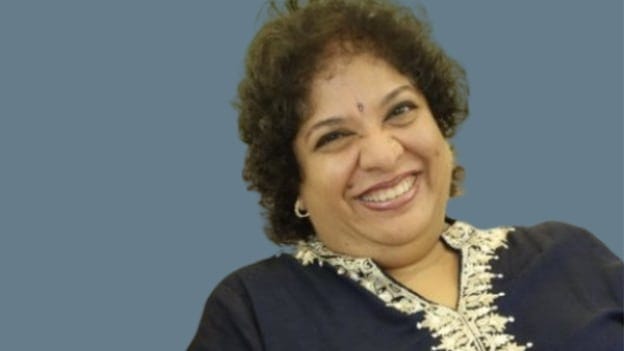
Majority of the businesses suffered for parting ways with long time employees. It’s important for leaders to explain the future roadmap of the organisation and make sure the vision stays clear and gets buy-in from key stakeholders, says Mona Cheriyan, President & Group Head, Human Resources at Thomas Cook India.
Mona Cheriyan is the President & Group Head Human Resources of Thomas Cook India Ltd. She is responsible for the Strategy, Leadership Development, Employee Engagement and other HR functions at the Group level. With a varied experience of over 35 years across different roles such as Employee Engagement, Global Policies & Processes, Leadership development, Diversity & Inclusivity, Compensation & Benefits, HR Audit & Process automation, she has been a significant part of NHRD, NASSCOM and BMA. She is a global influencer over the enactment of D&I and other behavioural sciences.
She is associated with TISS, Symbiosis, SP Jain, IIFT, Welingkar etc., as a guest lecturer, and a recipient of the ‘Super Achievers Award’. A keynote speaker, Mona's passion is to design, develop and deliver initiatives to help to build confidence and capabilities for women in Corporate India.
Here are the excerpts of the interview.
Four million people left the US workplace in April 2021 which some economists have dubbed the ‘Great Resignation’. How do you see this never-before trend?
Despite the logical predictions about how the COVID-19 pandemic would negatively impact the economy, many industries managed to sustain the negative impact and even grow sustainably. The pandemic has, I believe, led to an unprecedented shift in rethinking work-life balance providing new possibilities for freelancers working from home, along with an influx of remote jobs through new businesses making the leap forward. One broadly unexpected phenomenon is the global exodus of talent across organisations small and large.
The onus is on organisations to shape the work dynamics around retaining talent but, a vast majority of the businesses suffered the consequences of parting ways with long-time employees.
MORE FOR YOU...
Rebuilding departments and catching up on core knowledge takes time. It is time for the leadership to have internal meetings openly discussing the global phenomenon with the team. Assure them that the business is prepared and now in its growth phase and it is a transitional period for the world. Explain the hiring plans and the future roadmap for the organisation and make sure the vision stays clear and you get the buy-in from key stakeholders within the company.
The larger employment landscape is changing fast with organisations competing to hire and retain best talent. How can organisations revamp their talent management strategy to win the talent war today?
Talent Management is a critical component to the performance of any organisation. Finding and retaining talent is one thing, but the challenge is to ensure that talent is growing, adapting, and improving over time. The key is to ensure that you keep the process structured and organized and break the talent management strategy into distinct areas to make it easier.
No matter the current state of talent management at your organisation, regularly revisiting and evaluating your processes will benefit your organisation in the long term.
Can technology and digital innovations help organisations and their people leaders manage talent better?
Businesses of all shapes and sizes are increasingly leveraging new technologies to improve diversity in the workplace, enhance the employee experience, retain and attract employees, increase staff engagement, drive productivity, and more.
Although businesses have been using talent management systems and applications for years, they’re more important than ever in today’s remote and hybrid workplace. The pandemic has also brought into sharp focus the importance of communicating with, connecting to, and supporting employees’ journeys especially in the midst of a crisis. Organisations are starting to apply some of the principles of external sourcing and customer relationship management (CRM) strategy to internal populations of talent and are moving away from reactive processes to an internal talent marketplace approach where skills, profiles and the capabilities of employees are matched to the future needs of the organisation. The CRM helps in dealing with the internal customer (the employee) much the same way that you would deal with an external customer and giving the same value of service to the internal customer.
The coronavirus pandemic has resulted in many organisations releasing themselves from location-based team and workplace norms so that they can open up their internal and external talent pools. The acceleration of the virtual approach to work has facilitated this, and while there is little doubt many organisations and employees have been pushed too far, too fast, there are more innovative work practices incubating in this environment.
Can corporations leapfrog legacy practices and build new approaches that enable highly qualified women to succeed in these dynamic markets?
The newer companies, which have a much younger and vibrant workforce, have taken into consideration the various challenges faced by women and created solutions such as the introduction of flexi timings, extended maternity leave and pick and drop facilities. Today, they too have realised, that men too need flexibility in the workplace, especially those who have a working spouse. Many have introduced re-skilling and upskilling and other employee engagement initiatives, especially for women, to mentor them for leadership roles. Skill development facilitates high productivity, increased employment opportunities, and higher income.
This interview was first published in September 2021.
Topics
Author
Loading...
Loading...