The creator economy is entering a new phase. What was once viewed as a side hustle is beginning to resemble a structured profession with recurring income, transferable skills and growing economic influence. For employers, the shift extends beyond digital content. It is changing how younger workers think about careers, income and independence.
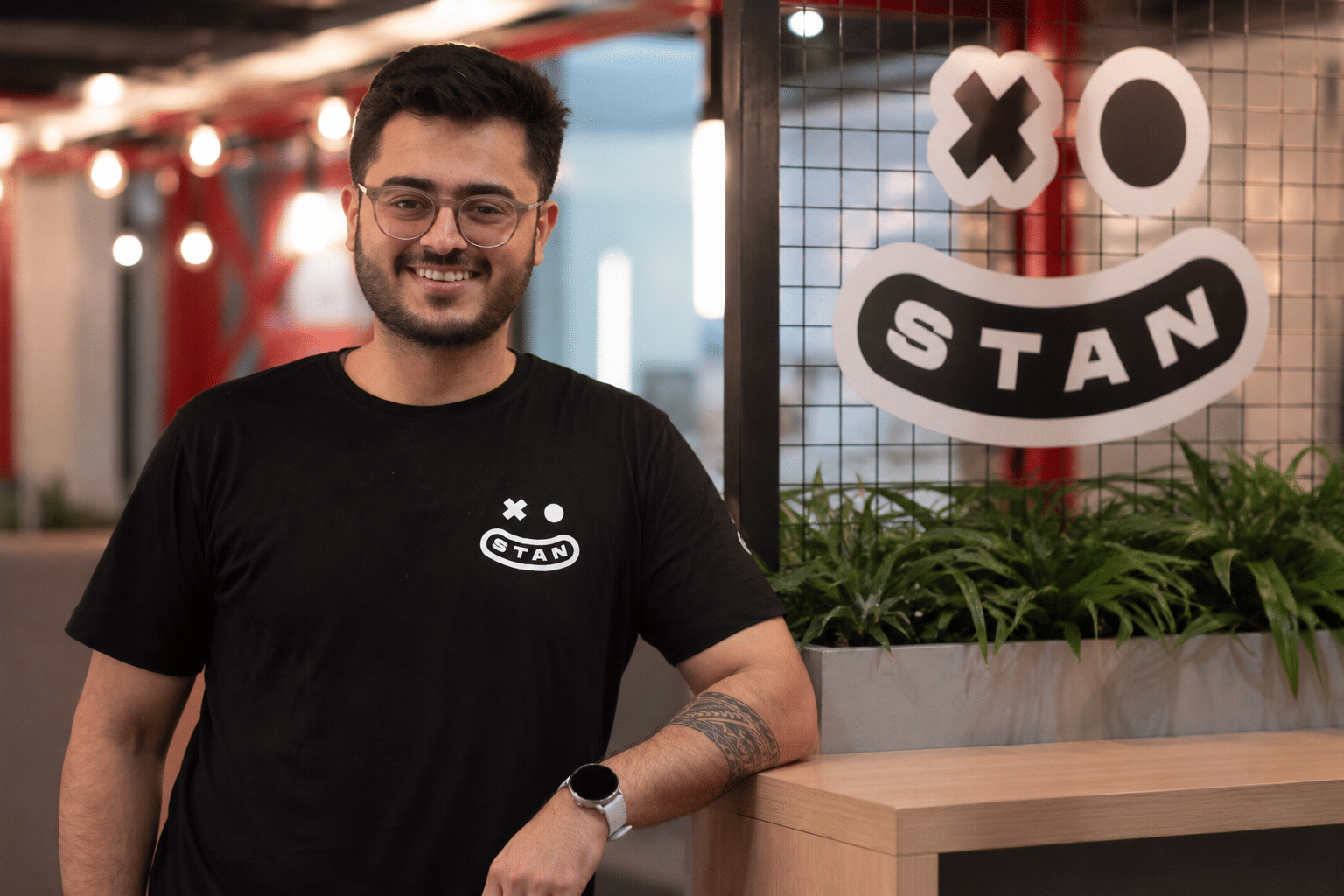
In an interview with People Matters, Parth Chadha, Co-founder & CEO of STAN, said the strongest indicator of this transition is not viral success but consistency.
"The side hustle framing made sense five years ago. It does not anymore. The clearest signal of a real career is rhythm. A creator hosting a club every evening is not chasing one viral post. They show up to a recurring audience, with income that recurs alongside it."
He said more than 300,000 creators on STAN now earn a sustainable monthly income across 60,000 active clubs every day. Many have also begun hiring editors and tracking performance metrics like small businesses.
At the same time, BCG estimates only 8 to 10 percent of India's creators monetise effectively today, suggesting the opportunity lies in expanding sustainable earning models rather than simply increasing the number of creators.
Niche communities are creating new income opportunities
The economics of the creator ecosystem have also shifted.
According to Chadha, monetisation was once largely restricted to advertising revenue and brand partnerships, making meaningful earnings accessible only to creators with massive audiences.
Today, brands increasingly value highly engaged niche communities.
"A nano or micro creator with a tightly knit niche audience converts far better than a broad, general one."
He said this has changed creator behaviour. Instead of pursuing one large audience, creators are building smaller, focused communities around specific interests.
As incomes grow, the economic impact extends beyond individual creators. "A small team often forms around each earning creator."
Creator careers increasingly resemble running a business
The capabilities required for long-term success have also changed. "Being entertaining gets you noticed. It does not keep you employed."
Chadha said sustainable creators increasingly demonstrate skills associated with operating a business rather than simply producing content. Among the most valuable capabilities are:
- Consistency, with creators showing up on a regular schedule.
- Community management, keeping audiences engaged and making members feel recognised.
- Data literacy, using retention insights and performance metrics to improve content.
- Monetisation literacy, developing multiple income streams rather than relying on a single source.
- AI fluency, using technology to improve productivity and efficiency.
"None of these are innate. They are learnable, which is exactly why this now resembles a profession, not a lottery."
Growth brings new forms of career risk
Creator work also presents challenges that traditional employment typically absorbs. "The flexibility that makes creating attractive is also what makes it precarious."
Chadha identified three structural issues.
The first is income volatility, where earnings linked to virality fluctuate from month to month.
The second is platform dependency, with creators relying on algorithms outside their control.
The third is the absence of many benefits associated with formal employment, including fixed income and social security.
He pointed to India's expanding gig economy as evidence of a broader workforce shift. "India's gig workers are heading from 7.7 million to 23.5 million by 2030, mostly without a safety net. Creators sit in that gap."
AI is removing operational barriers
Artificial intelligence is also changing how creators build sustainable careers. Rather than replacing creators, Chadha said AI is reducing the repetitive work that previously slowed growth.
"Editing and prep that took hours now take minutes."
He shared examples from STAN, where the company's AI-powered systems rank creators based on live session performance instead of lifetime follower counts. According to Chadha, the approach has driven a threefold increase in retention. He added that AI-powered moderation has improved retention by 23 per cent, while AI also supports creators through local language warm-up calls.
"AI is not replacing creators. It is removing the reasons people used to quit."
Recognition is expanding beyond the creator economy
For Chadha, creator work is moving towards wider institutional recognition.
He noted this year's Union Budget placed the orange economy, covering India's creative and intellectual property-led industries, at the centre of its skilling agenda. The government projected nearly two million skilled jobs in animation and gaming by 2030 while announcing creator labs across 15,000 schools.
He believes this evolution will increasingly influence labour markets.
"For employers, the implication is direct. They now compete for talent against self-employment, especially among under-25s."
As platforms expand their role beyond content distribution into training, payments, feedback and income support, Chadha sees the definition of a career changing.
"Platforms are taking on old employer functions: training, payments, feedback, even income stability."
His conclusion reflects the broader shift taking shape across the digital economy. "The career ladder is becoming a portfolio."