








As an interplay of result of many forces of change are affecting three deeply connected dimensions of an organization: work (the what), the workforce (the who), and the workplace (the where). To unravel what the future would be, Aon & ISB in partnership with People Matters has launched a survey to study the Workplace of the Future.
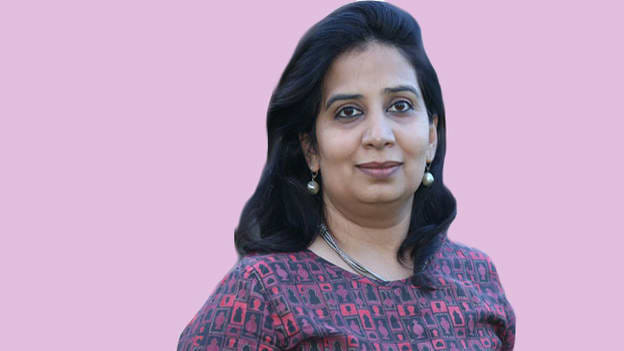
To know more about this study, the future of work, workplace, and the workforce, we spoke to Saumya Sindhwani, Associate Dean - Advanced Management Programs, Indian School of Business, and understood the forces that will drive these three important collaborators of any business– work, workforce, and the workplace.
Here are the excerpts from the interview:
Q1. What are some of the tectonic shifts that the pandemic has brought to the business ecosystem?
A: I think the pandemic has been a humbling experience for organizations to acknowledge the fact that business models and systems are fragile. Hence, changing business strategy and adapting to the current demands and situations would be vital for sustenance. Some of the shifts that I have observed are increased digital dependence. Companies that are doing reasonably well and surviving the challenges posed by the pandemic are found to have a very strong digital support system. Those who did not, are the ones who have struggled in the ongoing crisis. The next one for me is the concept of ‘essentialism.’ Essentialism has brought a paradigm shift in consumers' mindset and has impacted the way they spend.
Q2. What is an ideal definition of 'Workplace of the future'?
A- The workplace of the future is going to be more digital for sure. By digital, I mean a blend of Artificial Intelligence and more Machine Learning. At the same time, it is not going to be completely automated because humans would be expected to make more decisions that would make or break situations. So, data-driven decisions coupled with the sensing element of humans would be paramount.
Other characteristics of the workplace of the future would be:
- The way we work: Organizations would be flexible in terms of where you can work from and how you can work.
- The way we measure productivity: I think the days when you must come to the office and the number of hours you spend in the office that determined one’s productivity is gone. Earlier, we measured productivity by the volume of hours the people will put in. This will now change and will become more output-oriented and it will come down to how people are contributing to a larger picture.
- The way we manage workforce: Organisations are going to be more empathetic which is something most businesses did not practice in the past. They would be more understanding of the needs of customers, employees, and other stakeholders.
- The way business leads with purpose: Organisations would be more purposeful. Earlier, it was primarily centered towards ‘profit-first’ and then the purpose was the means to ‘drive the profit’. Now, it is probably going to be ‘purpose first’ and then ‘profit’. Organizations would embrace sustainability with open arms and here, I mean real sustainability and not just an add-on.
Q3. Where should you begin with designing and building for the workplace of the future?
The focus and the intent would always be on the numbers that the business would bring which comes out of profitability. But, in terms of making it happen, that comes down to empowering your front-line staff to understand the pulse of the customer. People should not just start looking at their jobs as a way of sustenance, but they must look at their jobs as something that drives their larger purpose. While there is a huge dependence on technology, people will remain the core of the business because people would execute strategy and plans. Hence, this will also bring the constant need to reskill your workers.
While we are still trying to figure out what the new normal would be, one thing is for sure, the workplace and the way workplaces function will never be the same. This is not a time to sit back and wait for events to unfold. To be prepared for the future, you must understand it.
Aon and ISB in partnership with People Matters have launched a study, “Managing Business Entropy: Building the Workplace of the Future” to uncover the best practices of how successful organizations are looking at redefining their talent and talent management programs to drive superior business outcomes.
Saumya further adds, “Ten years ago, more than 50 percent of the jobs that exist today were not even known. We are unaware if jobs today will exist even after five years. This is the pace of change that we are looking at.” As a part of this research, we would try to discover the assumptions around creating ambidextrous organizations that are capable of flourishing in a complex, ambiguous business environment and have capabilities, processes, systems, and structures in place that help organizations be future-ready.”
To participate in the study, click here and get actionable insights to help you make decisions for your future workplace and understand how people are going to be the most important asset for you.