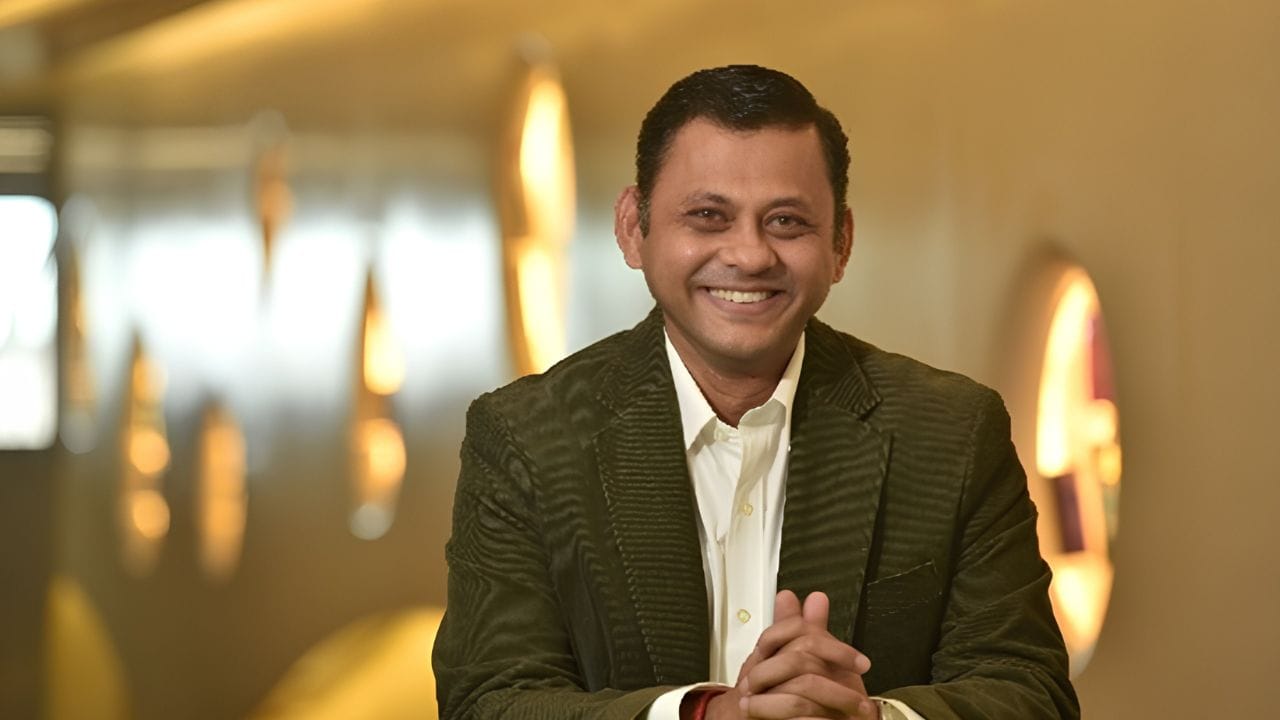
By: Amit Prakash
In a small village, a master weaver was known for creating the most striking patterns anyone had ever seen. Yet something was amiss. Threads of different colours did not seem to work in harmony - red felt overlooked, blue grew restless, and yellow felt undervalued.
One day, the weaver’s apprentice offered a simple suggestion: what if each thread was allowed to shine, while being woven together with care and balance? When the weaver tried this, the fabric transformed into something extraordinary.
This is the essence of inclusion. When diverse threads are valued and woven together with intention, they create something far greater than the sum of their parts. Not just something functional but something exceptional.
Today, inclusion has become a defining force shaping how modern organisations perform, innovate, and grow. It is no longer a “nice-to-have” initiative tucked away within HR agendas. Once viewed primarily as a compliance requirement or a reputational checkbox, inclusion has evolved into a critical business priority- one that directly influences competitiveness and long-term success.
Inclusion: Fom function to foundation
Historically, inclusion was positioned as a subset of diversity efforts, often owned by HR teams or specialised functions. While these efforts laid important groundwork, they also created an unintended limitation: inclusion was seen as someone else’s responsibility. Policies were drafted, training sessions conducted, and metrics tracked yet the everyday experiences of employees did not always reflect these intentions.
Today’s organisations are more diverse than ever across cultures, generations, skills, and perspectives. This diversity brings immense potential, but only when it is actively included and meaningfully leveraged.
Research by McKinsey & Company shows that companies in the top quartile for ethnic and cultural diversity are 36 percent more likely to outperform their peers on profitability. This clearly reinforces that inclusion is not merely a moral or social priority; it is a business imperative.
Yet, a persistent gap remains between intent and impact. Many organisations have robust inclusion frameworks on paper, but these do not always translate into everyday behaviours. This points to a fundamental truth: inclusion cannot thrive as a standalone function. It must be embedded into the very fabric of how organisations operate, decide, and lead.
From ownership to collective accountability
For inclusion to truly take root, ownership must shift from being concentrated within one function to being shared by everyone. This shift begins with leadership.
When leaders treat inclusion as a core responsibility rather than a delegated initiative, their actions and priorities set the tone for the entire organisation. It creates a pathway for the voices they invite into discussions, how they respond to dissent, and how they make decisions under pressure signalling what inclusion truly means in practice.
Managers play a critical role as the bridge between organisational intent and employee experience. Through everyday behaviours like listening with empathy, sharing opportunities equitably, giving balanced feedback, and encouraging diverse perspectives, they shape how inclusive the workplace feels on a daily basis.
Teams, too, co-create inclusion through collaboration, mutual respect, and psychological safety. Inclusion becomes real in small moments: who is heard in meetings, how disagreements are handled, and whether people feel safe to speak up. When responsibility is shared, inclusion shifts from being a one-time initiative to a daily habit by helping organisations become more adaptive, representative, and resilient.
From inclusion to impact: driving better outcomes together
When inclusion is practised collectively, its impact goes far beyond employee satisfaction. It strengthens problem-solving, improves decision-making, and reduces blind spots through open, constructive dialogue. Diverse perspectives challenge assumptions and lead to more balanced, thoughtful outcomes.
Talent management also improves when individuals’ unique strengths are recognised and fully utilised. People are more likely to perform at their best when they feel seen, respected, and valued for who they are.
Inclusion builds trust and collaboration, creating teams that communicate openly, support one another, and contribute actively to organisational success. Innovation thrives when people feel psychologically safe to share ideas without fear of judgment or reprisal. This sense of safety fuels creativity, collaboration, and initiative-taking while also deepening engagement as employees feel more connected to their work and purpose.
From listening to action: Embedding inclusion through accountability and co-creation
A key enabler of an inclusive culture is the ability to listen- genuinely and consistently. Employee feedback serves as a powerful lens into what is working and where gaps remain. Organisations that actively seek and value this input create a stronger sense of belonging and shared ownership.
However, listening alone is not enough. Real impact lies in translating insights into meaningful action. This requires a disciplined approach which includes analysing feedback, identifying priorities, and implementing solutions that address real concerns rather than surface symptoms.
Transparency is critical in this process. When organisations communicate openly about what they have heard, what actions they are taking, and how progress will be measured, they build trust and credibility.
Co-creation further strengthens inclusion efforts. Involving employees in shaping policies and initiatives ensures that solutions are grounded in lived experience and practical realities. Employee task forces, cross-functional working groups, and open forums enable organisations to design inclusion efforts that genuinely resonate. Recognising milestones both big and small which reinforces that inclusion is valued and ongoing, transforming it from a theoretical concept into a lived reality.
From effort to ethos: Institutionalising inclusion into organisational DNA
Organisations benefit most when inclusion moves beyond formal programmes and becomes part of how people work together every day. It is reflected not just in policies, but in everyday conversations, behaviours, and decisions that shape the employee experience.
When inclusion becomes everyone’s responsibility, it influences how leaders lead, how teams collaborate, and how choices are made. Diverse perspectives are not merely welcomed; they are actively sought and thoughtfully integrated.
This is where inclusion begins to drive sustained business success. By embracing diversity and empowering individuals to contribute fully, organisations unlock higher levels of performance, creativity, and engagement. Collective ownership of inclusion fosters cultures that are stronger, more innovative, and more resilient better equipped to adapt, grow, and thrive in an ever-changing world.
And when each of us—leaders, managers, and team members take responsibility for how we weave our threads together, inclusion stops being an initiative and becomes who we are. When the weaver finally steps back to admire the work, what emerges is a true masterpiece: a tapestry woven from diverse threads, each one valued and integral to the beauty of the whole.
About the author: Amit Prakash is the CHRO at Marico Limited. He leads and coaches a team of HR professionals who partner with the business to deliver the targeted growth and meet the stakeholder expectations.