India is on the cusp of one of the most significant overhauls of its labour framework in decades. While the four labour codes were enacted to simplify and modernise employment legislation, their impact extends far beyond statutory compliance. For organisations, the reforms are prompting a comprehensive review of compensation structures, payroll systems and employee benefits, creating an opportunity to reassess how workplace policies support both business objectives and workforce expectations.
The timing is particularly significant. As financial security increasingly shapes workforce expectations, Deloitte's 2026 Gen Z and Millennial Survey found that 55% of Gen Zs and 52% of millennials have delayed major life decisions because of financial constraints. Against this backdrop, organisations have an opportunity to rethink benefits that not only support compliance but also strengthen employees' financial wellbeing and workplace experience.
Much of the conversation surrounding the labour codes has understandably centred on statutory compliance, wage definitions and social security obligations. Yet, periods of regulatory change often encourage organisations to take a broader view of their people strategy. Among the benefits attracting renewed attention is employee mobility. Once managed primarily through transport allowances and reimbursement policies, mobility is increasingly being viewed as a strategic benefit that contributes to employee experience, financial wellbeing and organisational agility. As organisations prepare for the next phase of labour reform, it may also be the right time to rethink how mobility fits within a modern benefits framework.
Understanding the implications of the New Labour Codes
India's labour reforms consolidate 29 central labour laws into four codes covering wages, industrial relations, social security, and occupational safety, health and working conditions. Together, they seek to simplify compliance, improve consistency across employment practices and create a more streamlined regulatory environment for employers.
Although the four labour codes have been enacted by the Central Government, their implementation is not simultaneous across the country. Labour is a concurrent subject under the Constitution, which means individual states must frame and notify their respective rules before the codes can be enforced. As a result, organisations with operations across multiple states may encounter different implementation timelines and varying levels of preparedness. For HR, payroll and compliance teams, this creates an added layer of complexity, requiring them to review compensation structures, benefits policies and payroll systems while remaining agile enough to respond as individual states move towards implementation.
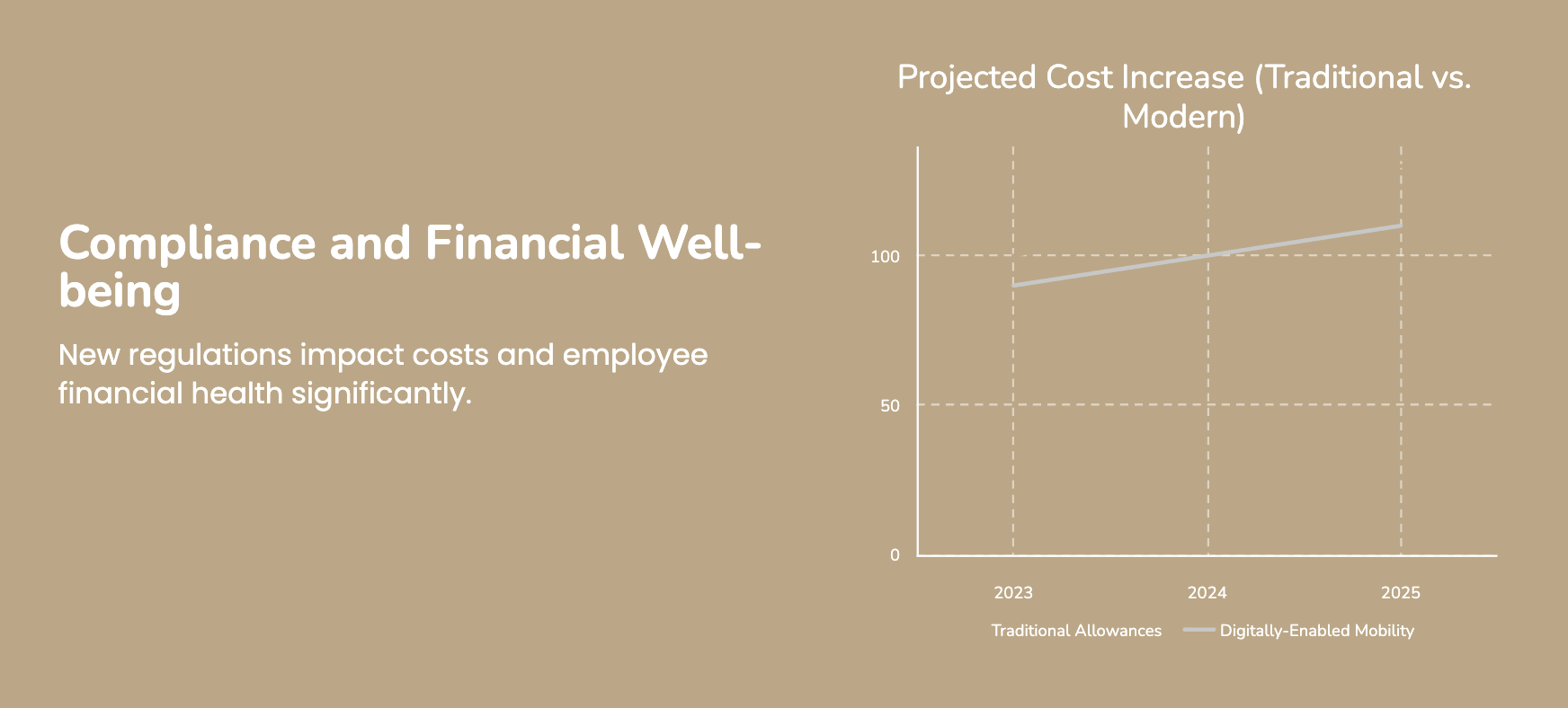
For HR and payroll teams, one of the most closely watched changes is the revised definition of wages under the Code on Wages. The framework seeks to standardise what constitutes wages for the purpose of calculating statutory benefits such as provident fund, gratuity and bonus. Since allowances cannot indefinitely constitute a disproportionate share of an employee's remuneration, many organisations have begun reassessing salary structures and the composition of Cost to Company (CTC).
The Code on Social Security broadens the framework governing employee welfare while creating greater consistency across existing legislation. The Occupational Safety, Health and Working Conditions Code brings together several laws relating to workplace welfare, health and working conditions into a single framework. Alongside the Industrial Relations Code, these reforms encourage organisations to strengthen governance, standardise processes and prepare their HR systems for a more integrated compliance environment.
Compensation reviews naturally extend to employee benefits
Redesigning compensation rarely ends with salary structures alone. It also prompts organisations to examine the broader employee value proposition. HR leaders increasingly recognise that benefits play an important role in attracting talent, supporting employee wellbeing and reinforcing the organisation's culture.
Work itself has changed considerably over the past few years. Hybrid work models have reshaped commuting patterns, employees expect greater flexibility in how workplace benefits are delivered, and convenience has become an important aspect of the employee experience. Benefits that were designed around traditional office routines are now being evaluated against a workforce that values personalisation, choice and ease of access.
This changing context encourages organisations to move beyond simply maintaining existing benefits. Instead, they are exploring how benefits can become more relevant, more flexible and easier to administer while remaining aligned with governance and compliance objectives.
Why mobility benefits deserve a second look
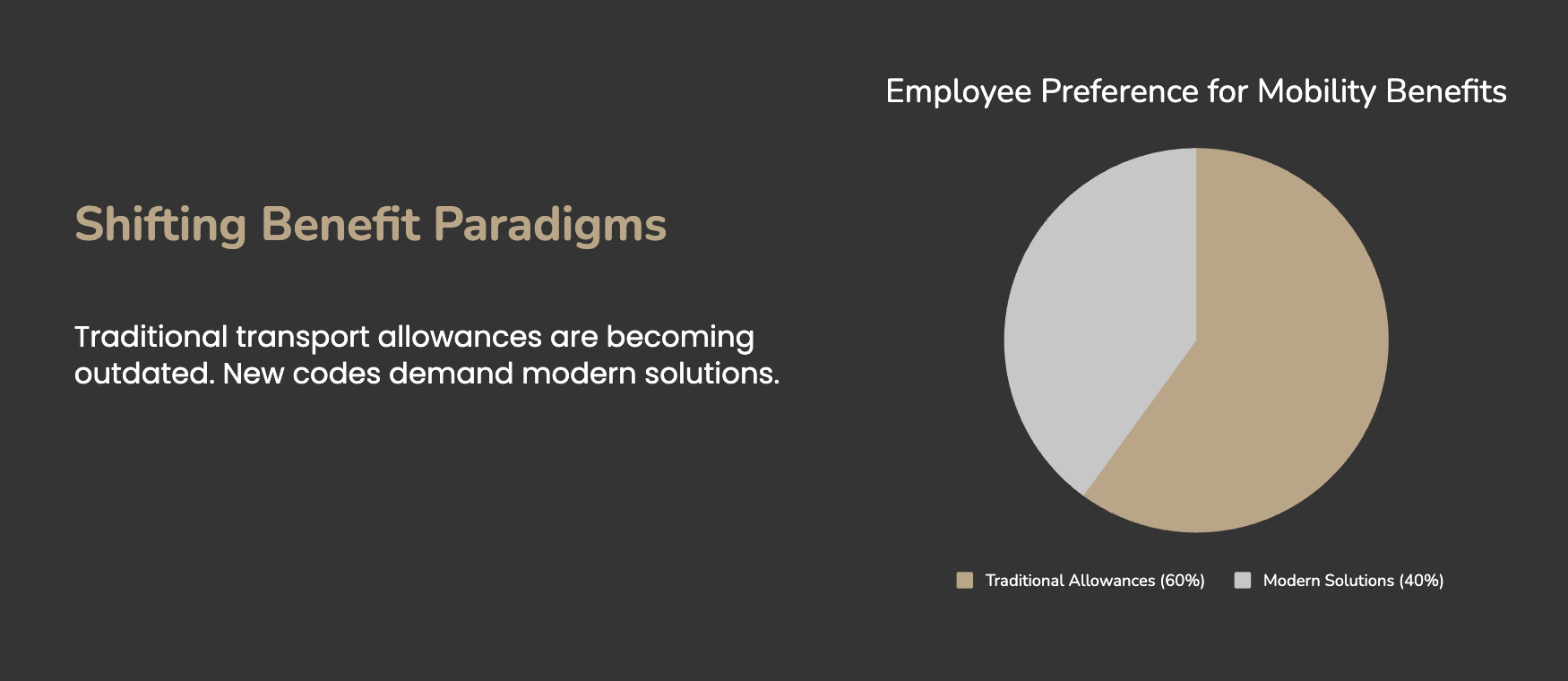
Employee mobility illustrates this shift particularly well. For years, transport allowances and reimbursement-based policies served organisations adequately. Today's workforce, however, operates across hybrid schedules, multiple office locations and varying travel requirements.
For employers, conventional mobility programmes can also involve multiple administrative processes, fragmented documentation and inconsistent employee experiences. As HR teams look to modernise benefits alongside compensation structures, mobility presents an opportunity to create programmes that better reflect contemporary workplace expectations.
This is where digital-first mobility solutions are beginning to reshape the conversation. As organisations rethink employee benefits through the dual lens of compliance and workforce expectations, mobility is evolving from a transactional reimbursement model into a structured, technology-enabled benefit. By enabling organisations to digitise corporate vehicle leasing, simplify programme administration and offer employees greater flexibility and predictable mobility costs, platforms like Quiklyz are helping HR leaders align mobility with broader goals around employee experience, financial wellbeing and operational efficiency.
Building flexible and compliant mobility programmes
As organisations modernise their benefits strategy, digital platforms are playing an increasingly important role in improving transparency, governance and administrative simplicity. Employees expect the same intuitive digital experience from workplace services that they receive in other aspects of their daily lives, while HR teams seek solutions that reduce manual effort, improve programme visibility and ensure benefits are delivered consistently across the organisation.
The conversation around employee benefits is also becoming closely linked to financial wellbeing. As living costs continue to rise, employees are placing greater value on benefits that offer financial predictability alongside everyday convenience. Organisations are therefore moving beyond traditional benefit structures to explore solutions that help employees manage recurring expenses more effectively while supporting long-term financial resilience.
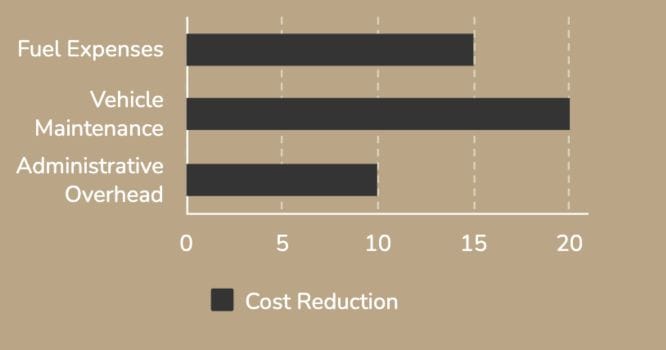
Within this evolving landscape, digitally enabled corporate vehicle leasing is emerging as a modern approach to employee mobility. By replacing fragmented reimbursement processes with structured, technology-enabled programmes, organisations can offer employees greater flexibility, predictable monthly mobility costs and a seamless user experience. For HR teams, these programmes provide greater transparency, standardised policies and simplified administration, making them easier to manage while supporting stronger governance and compliance.
Looking beyond compliance
The new labour codes are often viewed through the lens of statutory readiness, but their influence extends far beyond that. They are encouraging organisations to reconsider how compensation, benefits and employee experience come together to create a contemporary workplace.
Mobility is becoming an important part of that conversation. As organisations redesign benefits to reflect changing workforce expectations, flexible and digitally managed mobility programmes have the potential to deliver value for both employees and employers. For Quiklyz, this represents the future of workplace mobility. Corporate vehicle leasing is no longer simply an alternative mode of vehicle access. It is becoming part of a broader evolution in employee benefits, one that aligns flexibility with governance, convenience with transparency and workforce expectations with organisational priorities.
As India's labour reforms move closer to implementation, organisations have an opportunity to do more than update policies for compliance. They can use this moment to build benefit programmes that are future-ready, employee-centric and designed for the realities of modern work. Mobility deserves to be part of that transformation.