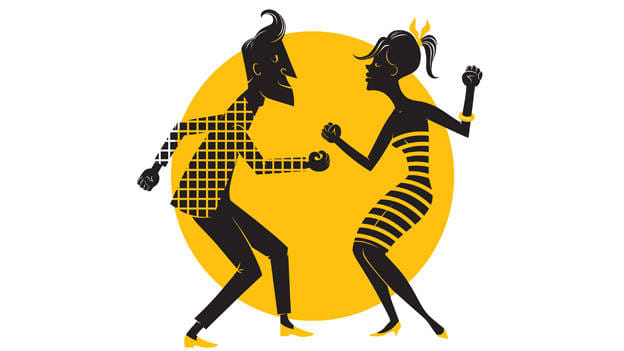
Those of us who work in the field of Diversity and Inclusion (D&I) have a lot of catchphrases and analogies to describe the importance of our ideas. My favorite one is this: “Diversity is about being invited to the party, but inclusion is when you’re asked to dance.” Thus, diversity is a property of the workforce, but inclusion is a property of the work environment—and leaders, especially HR leaders, have tremendous impact on both. The business case for gender diversity in India has never been clearer. Yet, look around you—not enough diverse employees (women, minorities, people with disabilities) are being asked to dance at India Inc.’s party!
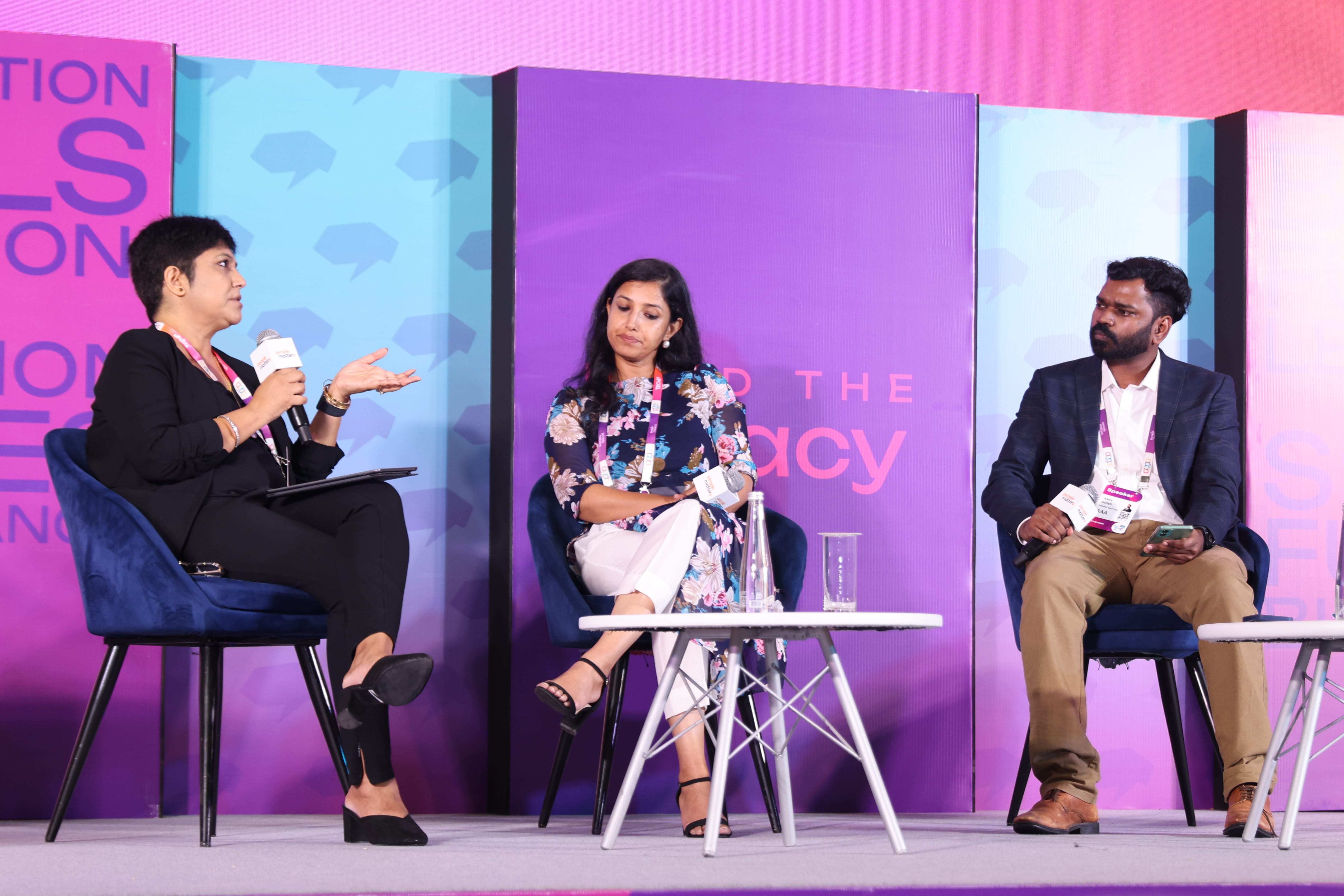
Catalyst organized a first-of-its-kind event on September 9th, in Mumbai, called “D&I Logues” (a play on “D&I” and “Dialogue”), with the theme of “Conversations for Organizational Change.” The event was meant to park efforts to close the gender gap in business, and move India Inc. from intended impact to more intentional dialogue and informed conversation about the opportunities organizations have to make change in the area of diversity and inclusion.
At D&I Logues, Catalyst launched its latest research report, India Inc.: From Intention to Impact,1 which reveals that those well-intended corporate initiatives are not fully achieving the desired goal of creating more inclusive workplaces for women. Specifically, the report lays out the current status of the gap between intended change and lack of impact. Though companies are making efforts to spearhead change for women, Catalyst data indicate that:
Men are three times more likely, on average, to be hired and promoted than women at every level.
- Executive-level women leave at a rate (28%) double that of their representation (14%). This rate of attrition among women is higher than that at any other level.
- While 88% of surveyed organizations offer leadership training, and 80% of those organizations track overall participation in these trainings, only three India-headquartered organizations participating in the study offer women-targeted leadership training programs, compared to 20 (74%) of India subsidiary companies. Moreover, just 20% of the organizations with such programs track advancement by gender—despite the fact that the most commonly stated purpose of these programs, especially for women, is advancement.
- Despite available, and often generous, employee leave offerings, nearly half the surveyed organizations do not offer any family care support options (48%), and lack a formal and standardized approach (41%) to determining fair and appropriate performance reviews for employees who return after taking leave.
Highlighting the following five key themes, the report also identifies several impact opportunities and success strategies to help India Inc. transform good intentions into meaningful and sustainable change. Extending the D&I-as-a-party analogy, here are some ways in which the report findings might apply:
Foundational approaches to set the stage for the recruitment, development, and retention of women:
- Send out those party invites to more people, and different people—not just your circle of friends.
Flexible work arrangements and cultures to address socio-cultural barriers:
- Don’t forget to prepare the venue carefully—if people are uncomfortable because it’s too hot or can’t find the address, there’s no party!
Employee leave and reintegration programs:
- If people leave the party to check out other ones, make sure that yours is the most “happening” party that they come back to, and welcome them back warmly when they do return.
Leadership development programs to grow all talent:
- Get the DJ to play music that will make even the shy wallflowers dance.
Employee inclusion efforts to promote culture change:
- Be friendly and make people comfortable—nobody wants to be the shy, lonely stranger at the party.
Organizations that understand what makes the difference between intention and impact can serve as crucial game-changers in achieving inclusive workforces in India Inc.—where women and men have equal opportunities to succeed. Perhaps then we’d see the party truly come alive for India Inc.!
The study (based on survey data from 42 India-headquartered organizations and multinational companies which collectively employ more than 400,000 people across India, and interview data from 23 stakeholders) included gathering data about workforce statistics including representation, hiring, promotions, and attrition; about policies such as flexible work arrangements and employee leave policies; programs such as leadership development and diversity networks; as well as efforts around employee engagement, senior leader accountability, and the role of male champions.