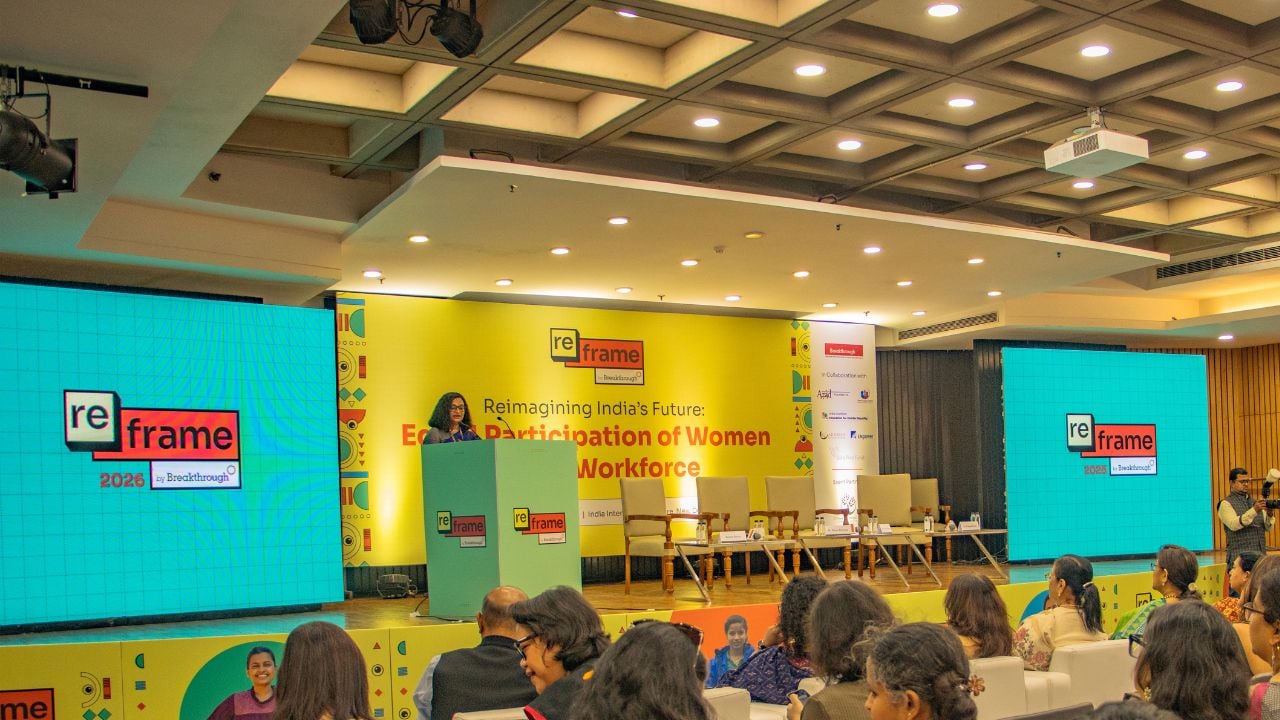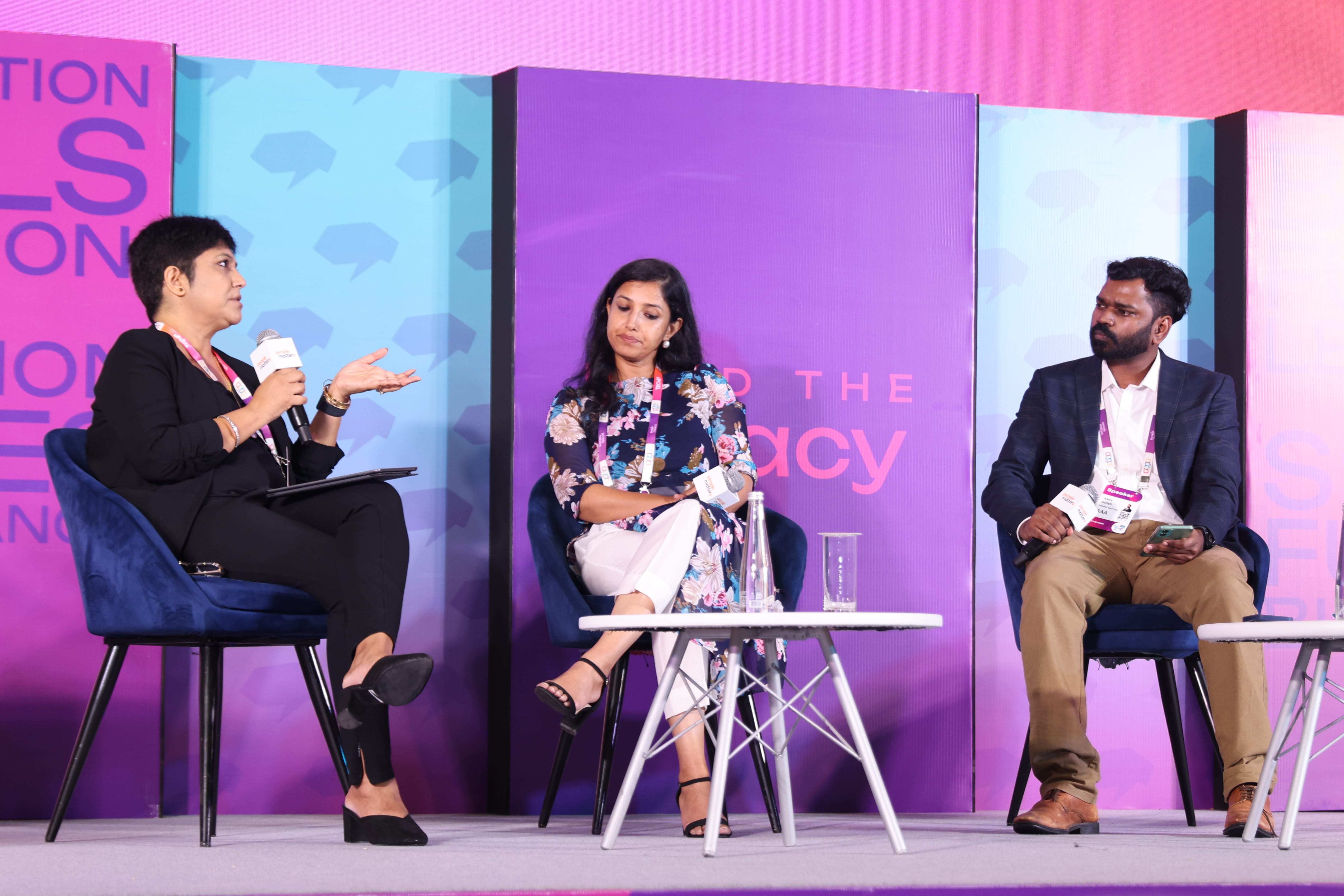
Boston Consulting Group and Open for Business together launched a first-of-its-kind report on LGBTQ hiring across fast growing companies in emerging markets, at a conference hosted by the Federation of Indian Chambers of Commerce & Industry (FICCI). The report aims to highlight the present scenario, the business impact of hiring members of the LGBTQ community as well as what areas demand increased focus to improve the global stance on inclusion.
The conference was led by an esteemed panel including Elliot Vaughn, Managing Director & Partner, Boston Consulting Group; Seema Bansal, Partner & Director, Boston Consulting Group India; Dilip Chenoy, Secretary General, FICCI; Drew Keller, Global Program Director, Open for Business;Parmesh Shahani, Founder of Godrej India Culture Lab; and Mellissa Ferrier, Global LGBT+ Lead at Wipro.
It is not surprising that even today there are countries that continue to remain hostile towards the LGBT+ community and their allies. Yet, the fact that there exist inclusive high impact companies in these economies, there is hope to foster greater adoption of LGBT+ inclusion. At present, 91% of the Fortune 500 companies have policies prohibiting discrimination on the basis of sexual orientation. Active participation in implementing LGBT+ friendly workplace policies is a step towards building a progressive and safe workplace for one and all.
Let’s take a look at the highlights of the report and areas of focus to foster inclusion.
Findings from the study
The report looks at 96 leading multinationals in emerging markets, how LGBT+ inclusive they are, how that impacts their business success and global reach. Spread over 169 countries, these companies reach countries that in totality constitute 99% of the world’s population, with China, India, Mexico, Brazil and Turkey being home to 67% of these companies. The companies were chosen for the study basis criteria including but not limited to:
- At least $1 Bn in annual revenue, with at least $500 Mn or 10% of revenue coming from international sales
- Employee base of over 1,000 employees
- Witness growth rates outpacing their home market’s GDP and average industry growth
- Exceptions were made for rapidly-growing, high-impact companies that are approaching these thresholds
For the purpose of the study, the companies were categorized on the basis of their stance on LGBTQ+ inclusion as below:
- Tier 1: Public statement against LGBT+ discrimination
- Tier 2: Public statement against general discrimination
- Tier 3: No public statement against discrimination
"These companies, headquartered in emerging markets, incur no economic penalty for being LGBT+ inclusive – in fact, they are more likely to grow faster on the world stage," said Elliot Vaughn, Managing Director & Partner, Boston Consulting Group.
Key findings:
- Out of the 96 companies studied, it was found that 39% belonged to Tier 1 and Tier 2 each, with the remaining 22% in Tier 3
- Number of Tier 1 companies have nearly doubled since 2015, from 19 in 2015 to 37 in 2019
- 58% of the family-run companies came under Tier 1. Interestingly, family-run companies are 1.8 times more likely to support LGBT+ inclusion as compared to non-family-run companies
- A large number of the high-potential emerging-market companies that explicitly protect LGBT+ employees against discrimination are based in India (These organizations supported LGBT+ inclusion even when same-sex acts were still criminalized in India)
"One of the most common concerns emerging-market companies have on becoming more LGBT+ inclusive is the potential negative impacts on their reputation and financial performance. Companies are worried that open support for LGBT+ inclusion could trigger a backlash from their customers. The findings from this report show otherwise," said Parmesh Shahani, Founder of Godrej India Culture Lab.
"An analysis of the high potential emerging-market companies found that LGBT+ inclusion enables these companies to tap into global markets and supply chains more effectively, without seeing any negative financial impacts," shared Shahani.
Business impact of inclusion
LGBT+ inclusion has a visible impact on multiple areas of business, right from brand image, talent acquisition, retention, financial performance to customer orientation, corporate governance as well as on the safety of the LGBT+ community at the workplace.
Voicing his thoughts on the report, Drew Keller, Global Program Director, Open for Business, shared "This report is the first analysis which focuses on LGBT+ inclusive companies in emerging markets."
"The report finds that LGBT+ inclusive companies have significantly more revenue come from international sources without suffering any negative revenue impacts. This has important implication for emerging market firms looking to globalize: In order to appeal to a global audience, you have to be LGBT+ inclusive," added Keller.
Going beyond the culture that inclusion creates, several organizations fear the reputation and revenue setback they will have to bear if they explicitly take a stand on their belief system with respect to the LGBT+ community. Shattering such myths the report brings to light an optimistic state of affairs across the corporate world:
- A Tier 1 company located in the same region and same industry as a Tier 3 company, makes 20 percentage points more revenue from international sources
- Organizations that openly support LGBT+ inclusion suffer no obvious negative impact on revenue growth or EBIT margins
- Companies focused on diversity and inclusion are reporting stronger brands and public image globally
- Cities that are economically competitive, are enabling local companies to support LGBT+ inclusion to further tap into global markets, enhancing their competitiveness and global reach
"Evidence of links between the friendliness of countries towards the LGBT+ community and economic success provides powerful arguments about the benefits of openness, helping promote change in greater numbers of markets," added Vaughn.
The Way forward
The report has identified three key areas that witness a significant boost with LGBT+ inclusion - innovation, talent and skills, and quality of living. Studies prove that regions that are allies of the LGBT+ community experience a higher concentration of talented and skilled individuals, leading to innovation. As companies strive to establish a strong global foothold, they need to be cognizant of the life they are building for employees, given a majority of the workforce often has to relocate. How flexible, inclusive and supportive are organizations in creating a safe community for all employees, will pave the way for their future on the global front.
"Being LGBT+ inclusive not only makes business sense, it is the right thing to do. We are excited to be at the forefront of LGBT+ inclusion and feel the positive results of this report will encourage more India based organizations to join us in extending LGBT+ inclusion as part of their D&I strategy. This will encourage more LGBT+ employees to bring their full selves to work and feel like they belong," shared Mellissa Ferrier, Global LGBT+ lead at Wipro.
As for the next steps, there is a need to drive alignment across organizations. Five key discussion themes that emerged from the study that are actively being looked into by high impact organizations include:
- Supportive company policies and processes
- Incorporate LGBT+ inclusion into recruitment and talent initiatives
- Launching and supporting strong internal employee resource groups
- Developing an inclusive cultural mindset, with trainings and senior leader engagement
- Supporting LGBT+ inclusion and LGBT+ rights externally
"By bringing together different groups of people, societies cultivate an ecosystem where ideas are exchanged, creativity flows and value is unlocked through innovation. Diversity comes in various forms and there remains significant progress to be made for one particular group – the LGBT+ community," said Shahani.
Ensuring 100% inclusion might be a far-fetched goal for now, however, the positive impact on both business and culture will be a catalyst to encourage organizations to get past the fear of a setback and become bolder and inclusive of the community at large, without any discrimination.