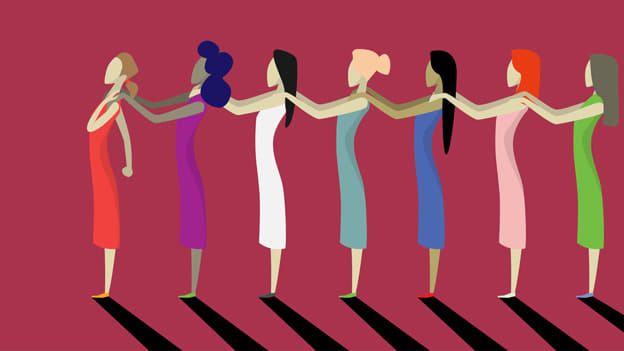
MHRD’s All India Survey on Higher Education (AISHE) has shown that India has now registered its best performance on the Gender Parity Index (GPI – ratio of female vs male enrolment in education) in the last seven years reaching 0.94 in 2016-17 and in 7 states girls outnumber boys in colleges. But where do these girls and women go when it comes to the job market, especially in the organized sector. As per World Bank report, India is ranked 121 out of 131 countries in Female Labor Force participation (FLFP) and FLFP dropped from 34.8% to 27% in the last two decades. A dichotomy indeed – more girls getting educated but lesser entering or staying in the job market.
The reasons are manifold -
- Shrinking job opportunities in general
- Patriarchal mind-set and culture
- Safety and Security issues especially in Metro cities
- Fewer women entering STEM education – specifically in premier institutes like IITs, NIT, IISc, or IIMs
- A few women in sectors like manufacturing, construction, aviation, engineering, forces etc- some of the mass employers
- Belief that career for women is important only if she is the sole breadwinner or until she is single
Belief – Need of the hour
A critical mass still needs to be built, specifically at the Senior Management and Leadership Level, to ensure that the workforce is more diverse and balanced when it comes to the gender and this can happen if the existing women in the workforce don’t drop their career goals and ambitions mid-way along the journey. As women, we need to deeply believe in having financial independence at every stage of our lives, we may be the additional earner in the family but the first benefit of it should accrue to us through greater self-confidence and power in families and societies.
Once we believe from deep within that we work first for ourselves – to fulfil our potential and needs and then only for others, we would be more willing to stretch ourselves in the short run. Women need to use the AND operator rather than the OR operator when it comes to family/ home vs the Career. Career is like a marathon, sometimes the going is slow but if we keep our eyes focused on the Finish Line, we will find ways to achieve it – through support systems, through outsourcing non-value add chores at home, by letting go of our need to be perfect and by keeping ourselves professionally relevant by continuous learning.
Networking
Women need to network both within and outside of the organization. It should become a part of their job role; they need to build their own brands by being vocal about their achievements, contributions and share their ideas at various professional forums. Finding a Mentor who is professionally competent and politically mature also helps a lot in the organizational journey, with developing juniors and subordinates, specially other women also being important.
The role of organizations
- If organizations want more women to enter the workforce, it should be solely for business reasons than policy or trend reasons.
- HR and Diversity managers need to collect and present data to the top management and make a business case for a balanced workforce and gender equitable Leadership.
- On the conversations around career should begin right from the college level and more and more girls should be encouraged to take internships and they should also be given projects based opportunities.
- Interview panels for campus recruitment and entry-level jobs ought to have a balanced gender representation.
- Ensuring that critical projects have enough women participation both at senior and middle levels.
- Mentoring programs for women, especially in industries where the percentage of women is low, should be in place to support and enable them to learn the art of achieving visibility and networking.
- Professional & Life Coaching initiatives for women during crucial transition phases.
- Gender sensitivity training for the male counterparts (these training shouldn’t be only about the policies and rights but also seeking support and understanding) to make them more empathetic towards the challenges of their female colleagues.
- Creating spaces & communities (offline) to ensure continuous dialogue between the 2 genders to share problems, issues and challenges without judgement.
- Ensuring Pay Parity.
- Developing an ecosystem of localized support like Crèches, Play schools, after-school daycare, transport amongst others to enable continuity and engagement during the critical years of child care.
As in a Project, there are different phases with varying requirements and strategies, similarly, women workforce need to be supported differently in varied phases of their career lifecycle. Sometimes through Flexi hours, Sabbaticals, Child rearing breaks and at other times by creating more level playing field and providing stimulating and challenging opportunities.
The crucial policy adoption – The Government Narrative
At the Policy level organizations need to engage in a dialogue with the Government to educate on the negative impact of enhanced Maternity Leave for the number of women entering the workforce. Presently the cost of 24 weeks of leave and crèche facilities is borne by the employer, which becomes an extra drain on organizational resources without much upside.
In most developed countries these costs are borne by the government through social support systems. Organizations and Women Groups need to engage with and influence the Government to provide some benefits to the organization – wholly or partially on these expenses. This will ensure that companies do not take the easy way out ofnot hiring female employees, as it will have long term ramifications not only for the women workforce but also for the society as a whole.
Beyond policies and initiatives taken by organizations, at the end of the day it’s the mindset that needs to change. The way a career of a woman is looked at by her and by the society has to be shifted.
It is imperative that there is a change in mindset across the echelons of not just the society but organizations and families as well in making this gender diversity issue a priority and empowering woman professionally. While this is happening in pockets, we have miles to walk before we achieve gender equality. The fact that we are speaking about this in the 21st century is something to ponder and act upon.