As companies take a step back to review their talent management strategies in light of the downturn in the global economy, they have many decisions to make. Preparing for an uncertain future involves making the organisation nimble and agile. So, what does future readiness in L&D look like?
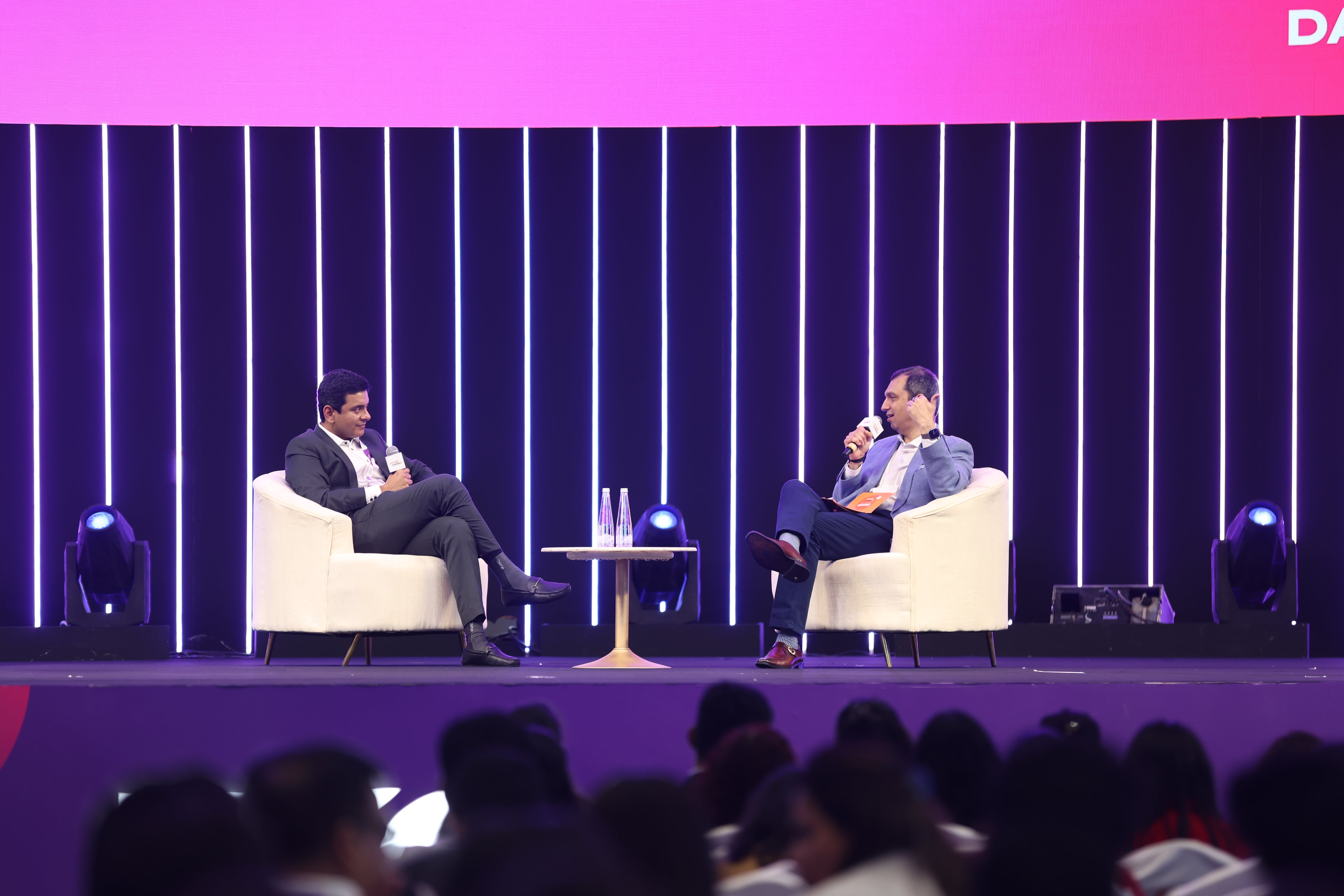
In an exclusive conversation with Ishita Bandyopadhyay – Managing Director, Aon's Assessment Solutions, India and South East Asia, she notes that skill transformation, although an obvious choice, is a complex journey. She also discusses the gaps in skilling interventions and how technology can be redesigned.
Ishita has over 15 years of experience in Human Capital Consulting and Change Management. Currently, she leads Aon's Assessment Solutions for India and South East Asia markets, supporting the growth of businesses and clients. As an experienced HR advisor, Ishita has a strong track record in leading teams and partnering with clients to create business impact.
1) To bring about effective skills transformation, what, according to you, are some of the biggest roadblocks that companies need to tackle?
Skill transformation seems obvious and a must-have for most organisations today, but it becomes a complex journey when dealing with human beings. At the ‘Take off ‘point, L&D professionals must make at least three considerations.
- Will the skill transformation enhance the core business, or will it diversify it? Based on this consideration, the organisation needs to precisely identify the new required skill sets because the initial roadblock is to identify the required skill sets of the future with specificity.
- Which functions and levels in the organisation need to be at the forefront of this transformation? It is necessary to identify skill transformation catalysts and their representation else the transformation will plunge into anarchy and uncertainty.
- Is there a provision to build an incubation approach for skill transformation? There is a need to start from a proof of concept with a protected group that can make mistakes and learn from them.
2) What are the top capability gaps that are emerging in this state of flux – as companies juggle different modes of hybrid work?
The most significant capability gap across the board is in the managerial capability across organisational levels. The manager’s ability to flex their styles to accommodate colleagues’ performance and learning is critical. In most situations, they have to unlearn their leadership styles that worked pre-covid. Due to the sense of a ‘lack of control’ in hybrid working, managers tend to default to an ‘Autocratic style. This style significantly impacts the employee-manager relationship in terms of trust and respect. Hence organisations need to focus and prepare managers to build their delegation abilities and ability to earn trust. Empathy and Agility are two critical behavioural skills that need to be taught to first-time and middle-level managers today more than ever.
3) More companies are prioritising internal mobility and career pathing along with their L&D schedules as a way to boost employee retention. Is this trend likely to continue? And how is it going to impact the business from a future readiness perspective?
Build vs buy has been an age-old debate; with the pandemic and skill convergence, organisations consciously gravitate towards Build options to stay competitive. Hence L&D professionals have a significant role in talent retention through Build.
With the recession and potential outplacement, the market may shift to becoming a skill-buyers’ market in the next 18 months. Still, organisations that invest in building from within, broad-skilling talent will survive downturns better than organisations that will focus on bidding a higher price for skill sets. In addition, succession planning is a core focus area for most organisations in the current market, and Leadership Development professionals have their tasks cut out.
4) A recent report showed that the L&D team’s own capabilities need to be developed. And that they’re finding less time to learn. How do you view this challenging area, and what should be done to tackle it?
Globally skill development mode of delivery and content has evolved. Even our school-going next generation is not subjected to learning through classroom sessions. Hence L&D teams need to rethink resources and styles of delivery in the future. L&D professionals need to stay ahead of the pack to be successful. Five things to keep an eye out for by them are:
- Technology leveraged learning opportunities
- Study the marketplace of learning resources for variation and impact
- Design configurable programs which can be updated with changes in business skill demands
- Leverage training and skill data proactively to predict the future
- Close the loop and measure the skill development impact over each cycle= so that the sprints can be improved
5) What is your advice to companies seeking to realign their skill-building programs to an agile business strategy?
Organisations need to keep the employee or the user at the centre of the strategy as all skill-building g programs are designed and rolled out. In the new normal, the mode of delivery and impact of training needs to be evaluated consistently based on employee feedback. Leveraging skill data and its regular collection will be essential for success.