As India marks Teacher’s Day on September 5 to commemorate the birth anniversary of Dr. Sarvepalli Radhakrishnan, a revered philosopher, scholar, and the second President of India, a quiet revolution is unfolding—not in schools, but in boardrooms and break rooms.
Managers and leaders are stepping into the role of modern educators. Their tools aren’t chalk and blackboards, but coaching conversations, career guidance, and lived experience that transforms careers.
Across industries, mentorship is no longer an optional add-on to corporate learning. It has become the new pedagogy of the workplace—a philosophy rooted in growth, inclusion, and human connection.
Mentorship as a way of working
At EY Global Delivery Services (GDS), learning isn’t confined to programs—it’s embedded in culture.
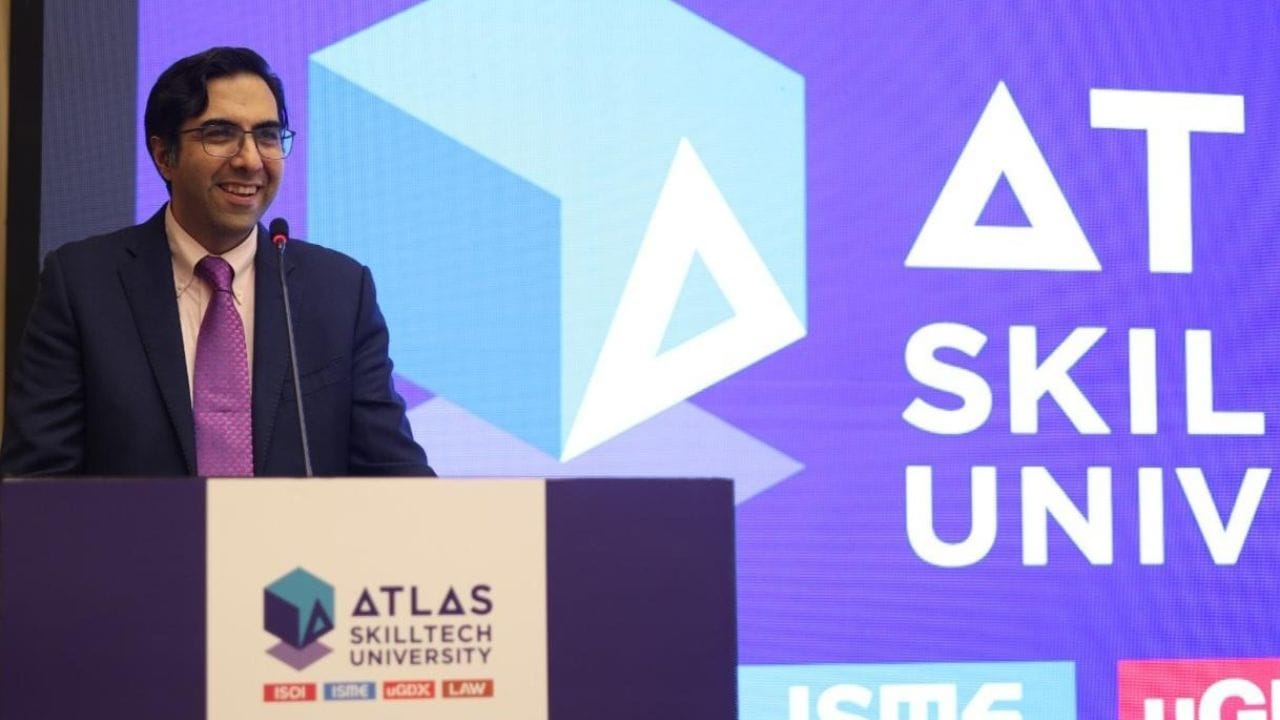
“Mentoring is not a one-way street or a formal checkbox; it’s a mindset,” says Joanna Orkusz, Talent Development and Learning Leader at EY GDS. “Whether structured or spontaneous, mentoring is how we pay it forward.”
EY GDS fosters this through coaching-led leadership programs such as the GDS Manager Academy and Milestones. Yet, Orkusz believes it’s the everyday reflections and conversations that truly fuel professional growth.
She adds: “Reverse mentoring unlocks fresh perspectives and deepens empathy across generations. It reminds us that everyone has something to teach—and to learn.”
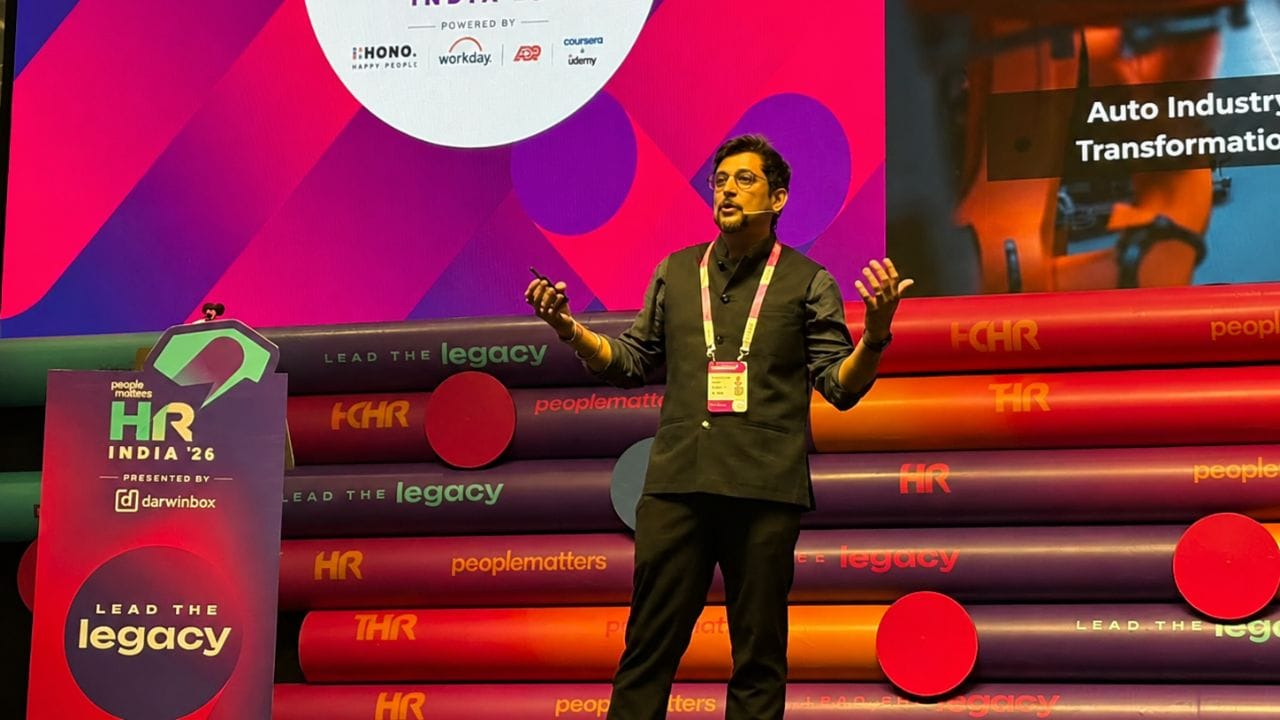
At John Deere, the philosophy is similar. Sudha Vutukuru, Talent Strategy and Acquisition Leader – India, Asia, and MEA, emphasizes that the legacy of leadership is not just in business results but in the people leaders nurture.
“The real legacy of a leader is measured in the people they empower to rise, shine, and even outgrow the mentor who guided them,” she says.
Leaders as everyday teachers
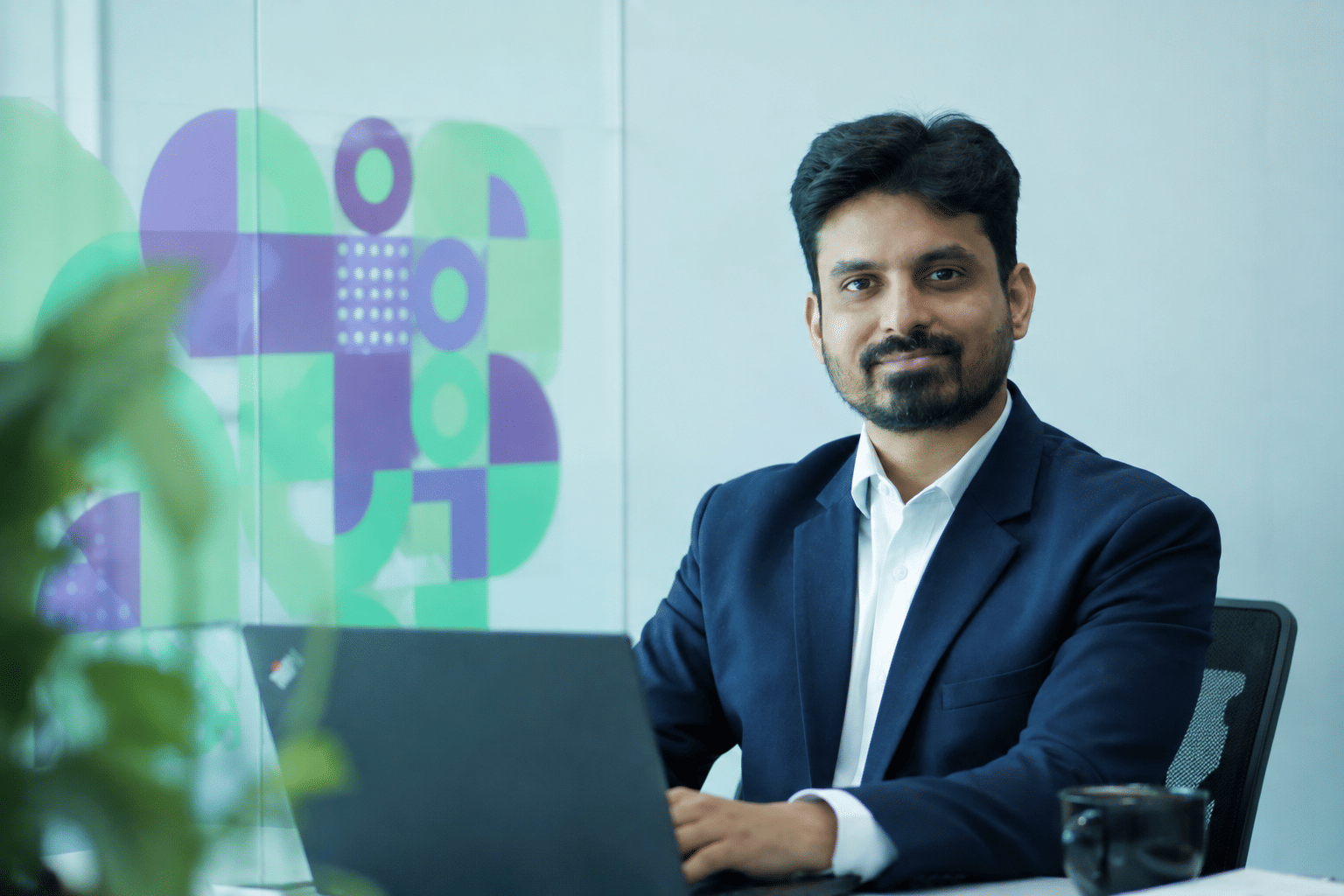
For SBM Offshore India, mentorship is the cornerstone of building agile teams ready for the future of offshore energy.
“We believe leaders are also teachers,” says Rekha Alagappan, Country HR Manager at SBM Offshore India. “They integrate real-time coaching, guidance, and feedback into everyday work.”
Structured programs such as the Early Potential Program (EPP), BUDDY, and EXPERT Management pair senior professionals with young talent—strengthening critical thinking, career progression, and hands-on learning.
“Mentorship empowers employees, strengthens engagement, and builds expertise,” Alagappan adds. “It’s not just a strategy—it’s a catalyst for long-term performance and sustainable success.”
Mentorship in the age of AI
In an era where AI is reshaping work at unprecedented speed, human mentorship has become more important than ever.
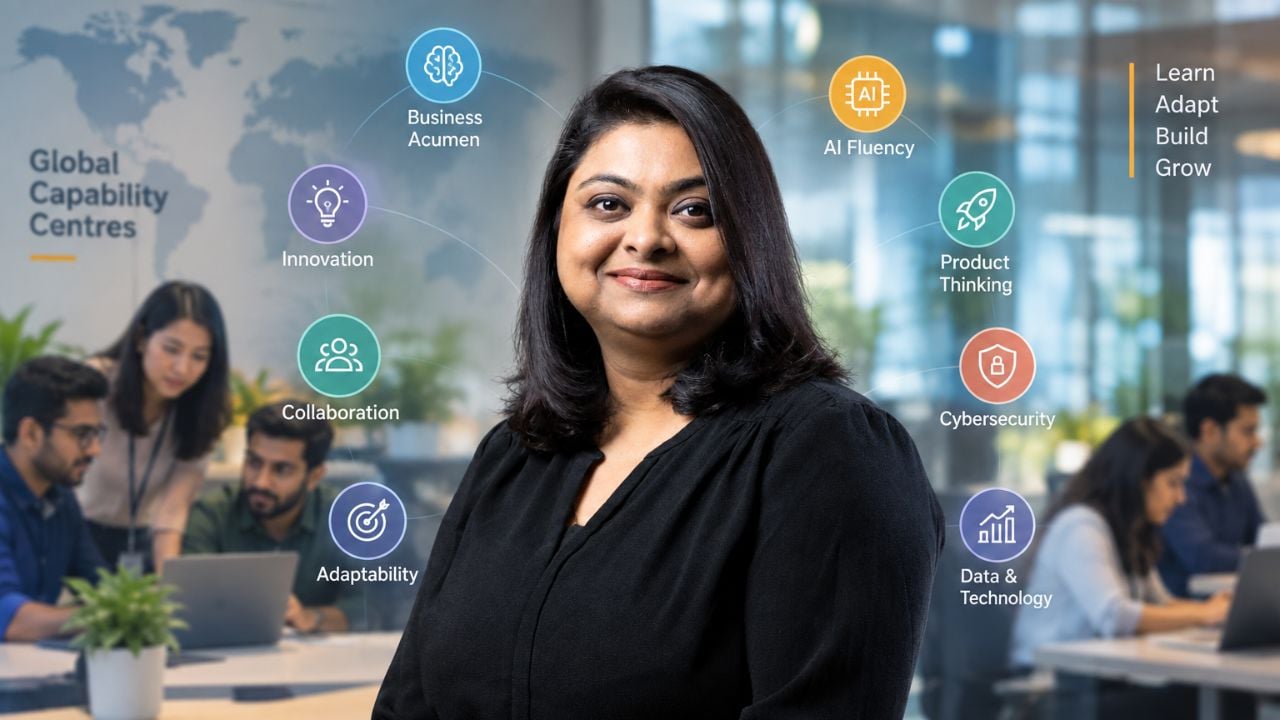
At Nagarro, mentorship isn’t just a program—it’s a philosophy. “Employees today don’t just need structured learning; they need guidance, context, and connection,” says Shruti Tandon, Managing Director – People Enablement at Nagarro.
Through its Accelerated Growth Program, Nagarro identifies high-potential employees and pairs them with mentors who help them stretch, reflect, and step into larger roles.
Tandon also highlights the organization’s Women Leadership Programs, which create safe spaces for aspiring women leaders to be mentored by senior executives.
“These conversations are about navigating real decisions, building self-belief, and creating visibility,” she explains. “True mentorship is not hierarchical—it’s human.”
The new classroom is the workplace
On this Teacher’s Day, it is evident that the role of the teacher has transcended traditional boundaries. In modern organisations, mentorship is the new curriculum—one that builds belonging, unlocks potential, and prepares people not only for their next role but for the future of work itself.
Because the most powerful lessons at work aren’t just taught. They are lived, shared, and passed on.