The BFSI workforce challenge isn't hiring. It's adaptability.
Indian BFSI is aggressively deploying AI, digital operations, and transformation.
Yet across banks, insurers, NBFCs, and fintechs, a different kind of friction is becoming visible:
hiring is happening,
technology spending is rising,
transformation roadmaps exist,
but execution gaps are widening.
According to IBM’s 2026 banking outlook, nearly 90% of BFSI leaders globally believe AI adoption is moving faster than workforce readiness. Meanwhile, the World Economic Forum estimates that 44% of workforce skills will change within five years.
The implication is becoming difficult for the sector to ignore:
The problem may not be talent shortage. It may be that BFSI’s entire talent architecture was designed for a slower world.
Because the current structure of most financial institutions still assumes:
jobs remain stable,
workflows move sequentially,
teams operate vertically,
and capability evolves gradually over time.
AI has disrupted every one of those assumptions simultaneously.
The role is no longer fixed. The capability stack is. One of the biggest shifts happening inside BFSI is almost invisible on the org chart.
Employees still carry familiar titles. But the actual work underneath those titles has changed dramatically.
Take the relationship manager(RM). The designation survived. The role did not.
Today’s RM is increasingly expected to:
interpret AI-generated recommendations,
understand compliance overlays,
navigate automated servicing systems,
and explain algorithmic decisions to customers in real time.
Similarly:
underwriting teams now work alongside predictive systems,
HR teams increasingly evaluate capability over tenure,
and operations functions are balancing automation with governance accountability.
The designation stayed stable.
The capability requirements underneath it completely changed. And that is where the structural stress begins.
Because most organisations are still designed around roles. Not evolving capabilities.
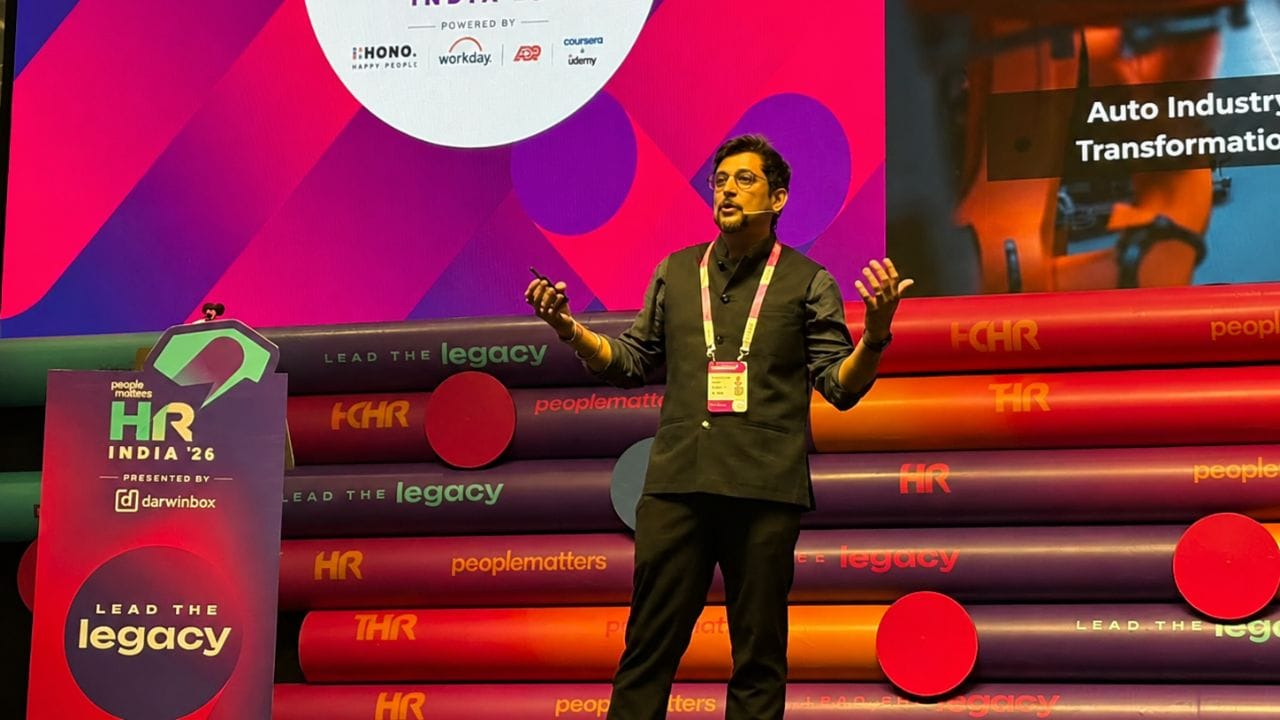
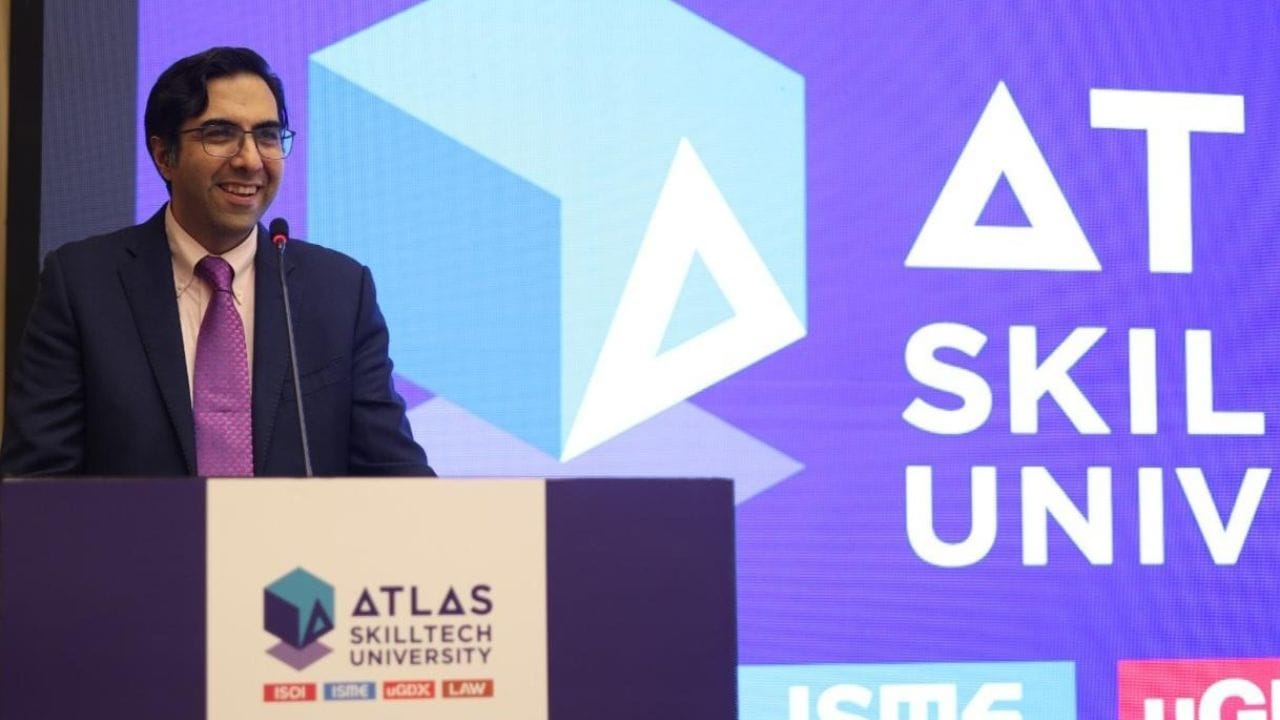
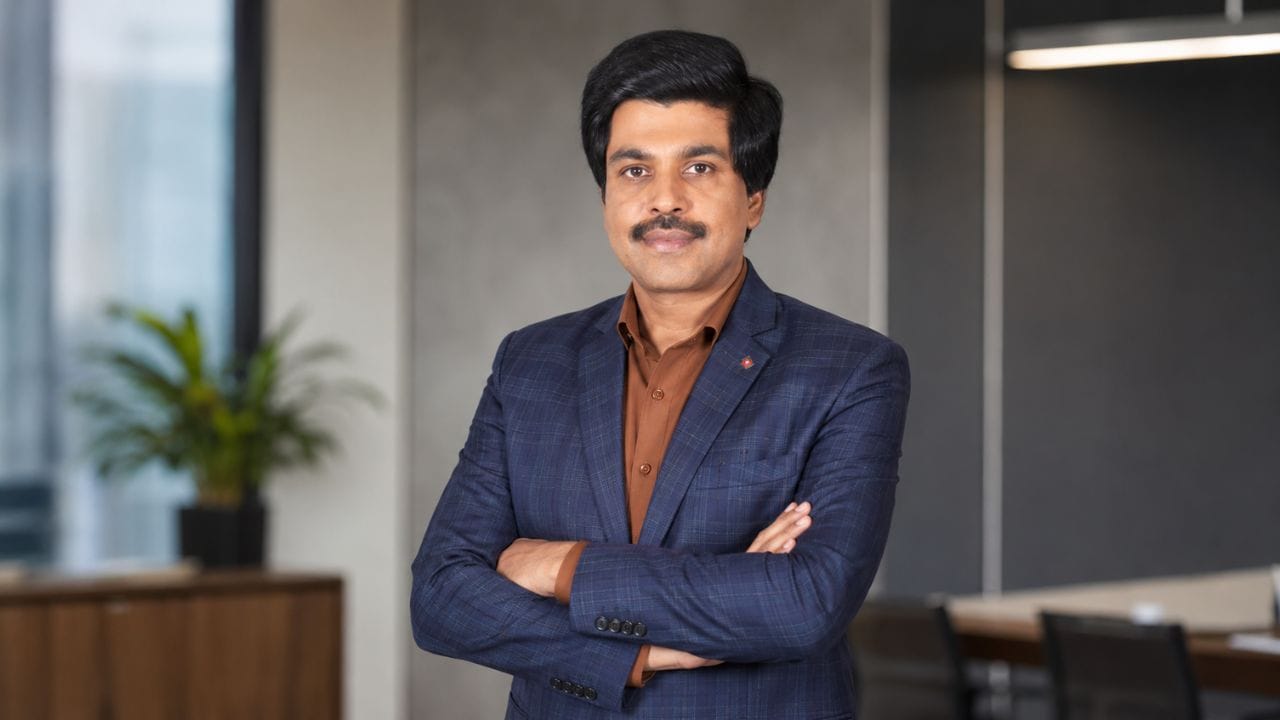
This growing disconnect between static structures and dynamic work is increasingly shaping leadership conversations around how BFSI organisations must redesign workforce models from the inside — a challenge expected to take centre stage at the People Matters BFSI Talent & Tech Summit 2026 during a Dialogue for Change: Skills Intelligence: How BFSI Should Rebuild Talent Architecture, where leaders including Dr. Harpreet Anand, CHRO, Protean eGov Technologies; Nisha Rodi, Head HR, NPCI BHIM; and Suresh Kumar Sivaraj, CHRO, Muthoot Fincorp, will discuss how organisations are moving from fixed job descriptions toward dynamic skill taxonomies built around AI fluency, governance capability, and business resilience.
AI is exposing a deeper structural problem inside BFSI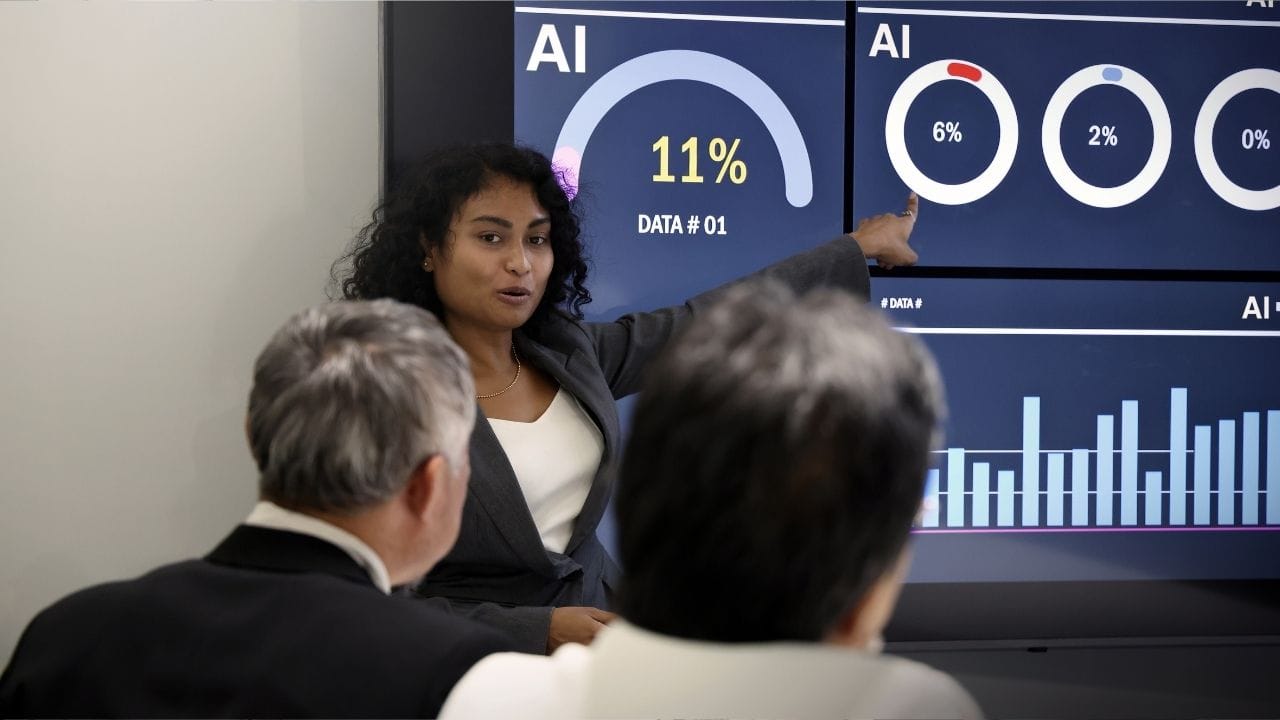
For decades, financial services operated through tightly controlled systems:
vertical hierarchies,
fixed ownership,
layered approvals,
and process predictability.
That architecture worked because the work itself was linear.
AI changed the flow of work.
Today, a single financial decision can simultaneously involve:
fraud analytics,
predictive underwriting,
compliance triggers,
risk engines,
and human intervention layers.
Work has become interconnected and real time.
But workforce structures still move through traditional silos.
This is why many BFSI firms are discovering that adding AI into old operating models does not automatically create agility.
In some cases, it amplifies organisational friction. Increasingly, the sector is confronting a tougher leadership question:
How do institutions build talent systems capable of handling cross-domain, AI-assisted, risk-sensitive work environments?
That conversation is also driving growing interest around leadership redesign frameworks, particularly as institutions rethink succession planning, capability development, and workforce readiness for AI-led financial ecosystems.
Compensation systems are quietly becoming outdated too

One of the least discussed consequences of this shift is compensation.
Traditional BFSI compensation models were built around:
role stability,
tenure progression,
and fixed functional ownership.
But value creation inside AI-led environments is becoming far more fluid.
Increasingly, organisations are confronting uncomfortable questions:
How should capability be rewarded when roles evolve continuously?
How do institutions compensate for cross-functional contribution?
What happens when AI augments productivity unevenly across teams?
And how should workforce value be measured when outcomes matter more than activity?
This is becoming particularly relevant in highly regulated environments like BFSI, where compensation structures have historically prioritised stability and governance over agility.
The agency model is being reinvented in real time
The disruption is not limited to corporate structures. It is reshaping frontline distribution models too. For years, BFSI growth depended heavily on agency-led and relationship-led distribution ecosystems.
Now digital acquisition, embedded finance, AI-led customer servicing, and platform ecosystems are fundamentally changing how financial products are sold, serviced, and retained.
The implication is significant: The future BFSI workforce may not simply work differently. It may be organised differently.
This is especially visible across insurance and wealth management, where institutions are increasingly retraining, repositioning, and redesigning agency ecosystems for digital-first customer environments.
The challenge is no longer whether legacy workforce models can scale. It is whether they remain relevant.
Young talent is no longer optimising for stability

For decades, BFSI sold careers through predictability:
secure jobs,
structured growth,
and institutional prestige.
That proposition is weakening.
Younger professionals entering the workforce today are increasingly prioritising:
AI exposure,
digital capability,
analytics,
product thinking,
cybersecurity,
and cross-functional mobility.
In many cases, they are evaluating employers based on one question:
Will this organisation keep my skills relevant?
That is changing the competitive landscape for talent acquisition itself.
Banks and insurers are no longer competing only against each other.
They are competing against:
fintechs,
GCCs,
technology firms,
and digital-first organisations offering faster learning environments and more adaptive work models.
This is quietly pushing BFSI into a capability economy — where employability depends less on title and more on continuous skill evolution.
Skills intelligence is becoming BFSI’s next operating system

As work becomes more fluid, workforce planning itself is changing.
Increasingly, institutions are being forced to ask:
What capabilities exist internally?
Which skills are becoming obsolete?
Which adjacent capabilities can be redeployed?
Where should AI augment work — and where should humans remain central?
This is where skills intelligence is becoming critical.
Not as an HR initiative.
But as a business capability.
Global workforce research increasingly points toward hybrid capability models — combining AI fluency, governance understanding, domain expertise, and human judgment — as the future workforce architecture of financial services.
That shift is also changing how organisations think about workforce strategy itself.
The debate is no longer simply: “Who should we hire?”
It is increasingly: “What capabilities should exist inside the organisation at all?”
These questions are also shaping leadership workshops around redesigning leadership pipelines for AI-transformed BFSI organisations — particularly as firms attempt to build cross-domain, governance-ready, risk-sensitive leadership capability at scale.
So what replaces the old org chart?
It’s not simply the rise of flatter hierarchies or the advent of AI-only enterprises; instead, what is emerging, especially among leading BFSI institutions, is the rise of fluid organisations. These are built around dynamic skill clusters, cross-functional deployment, AI-assisted execution, embedded governance, and a relentless focus on continuous capability evolution.
In this new paradigm, careers are no longer linear journeys but instead become adaptive paths shaped by changing needs and opportunities. Teams shift and re-form as priorities evolve, placing a premium on capability rather than job title or designation.
The organisational chart itself ceases to be a fixed map; it becomes a living, responsive framework that adapts in real time.
Ultimately, this may prove to be the defining workforce transformation of the next decade in BFSI—not a world where AI replaces humans, but one where AI exposes the limitations of old human-centric architectures and drives the creation of something fundamentally more dynamic and resilient.
That broader reinvention of BFSI — across people models, customer expectations, product ecosystems, and leadership capability — is expected to anchor the summit’s closing Candid Conversation: The Reinvention of BFSI: People, Products & Possibilities, featuring Dinesh Kumar Khara, former Chairman of State Bank of India and Board Chairman at PeopleStrong, in conversation with Pushkar Bidwai, CEO of People Matters.
The discussion is expected to unpack how BFSI is being rebuilt in real time — from changing customer expectations and AI-led product evolution to shifting workforce models, leadership priorities, and the growing demand for cross-domain capability.
These pivotal themes will take centre stage at the People Matters BFSI Talent & Tech Summit 2026, where CHROs, regulators, business leaders, and transformation heads will engage in nuanced dialogue around the future of work. Together, they will interrogate how workforce design, leadership development, compensation architecture, and capability frameworks must evolve in concert to meet the demands of an AI-driven financial ecosystem.
The summit promises to be a crucible for reimagining the interplay between technology and talent, setting the agenda for the next era of organisational transformation in BFSI.
Be part of the conversation shaping the future of BFSI. Register now.