








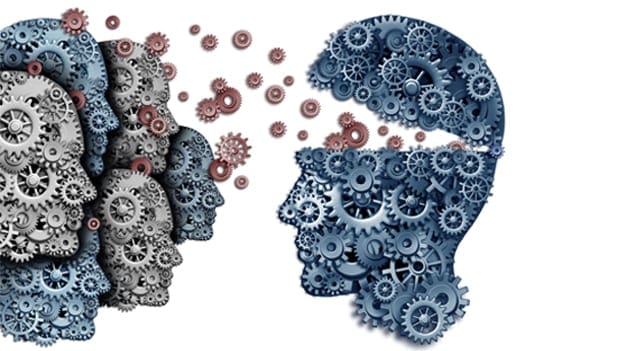
Coaching models help us to understand the coaching intervention and to understand the need for “structure” in the interaction between coach and client. Models help us to develop flexibility as coach practitioners. They offer structure and an outline for both the coaching conversation and the overall coaching journey—whether it is for 20 hours, six months, a year or more. However, although models create a system within which coach and client work, it is imperative that models are not experienced as either prescriptive or rigid.
We have be mindful that coaching conversations are about the client, not the coach. If the model is tooinflexible, it means the coach has their own agenda tofulfil instead of attempting to understand the client’s issues.
Discover – Coaching:
Professional coaches provide an ongoing partnership designed to help clients produce fulfilling results in their personal and professional lives. Coaches help people improve their performances and enhance the quality of their lives. Coaches are trained to listen, to observe and to customize their approach to individual client needs. They seek to elicit solutions and strategies from the client; they believe the client is naturally creative and resourceful. The coach’s job is to provide support to enhance the skills, resources, and creativity that the client already has.
A few guidelines to bear in mind when you focus on this phase as a Coach:
- Are you the right Coach for your client
- Is the client ready to work with you as Coach
- Is the chemistry matching between Client, Coachee and yourself (Coach)
- Contract for coaching – what you can expect from the Coach
- Coaching Vs Mentoring Vs Consulting Vs Psychotherapy
- Coaching for good to great
- Are you setting the stage right an effective coaching relationship (Coaching Agreement)
- Delineating roles forthe Coach and the Client
- What coaching is what coaching is not
- Addressing Ethics and confidentiality
- Client requirement from coaching and their commitment in doing so.
- Coaching agreement at the beginning of each session
- What to focus on and achieve in the session
- How does Client evaluate success for the session
Explore – Goal &Measurement:
After initial discussions, it is important to establish a realisable goal for the coaching assignment and if required, a target for progress in the session.Often overlooked though is that this competency includes both an initial agreement for the coaching relationship and an agreement at the beginning of each session as to what the Client wants to work on, a possible outcome and measure for progress in that time. The initial agreement starts with a conversation on the roles of the Coach and the Client, what coaching is and what it is not. A written agreement detailing this information as well as addressing ethics and confidentiality is often used and signed by the Coach and the Client. For a more dynamic written agreement you could ask your Client to add their own paragraph which describes what they want from the coaching and commit to doing.
A few guidelines to bear in mind when you focus on this phase as a Coach:
- Ensure a SMART Goal for your coaching journey
- Understand the Client’s context and issue. wants
- Inquire, establish and align on the focus area/s
- Help the client to explore for specificity – deep dive to understand if the issue at hand is truely the real or underlying issue
- Understand what will happen is the Coachee does not achieve the identified goal
- Explore motivation of client about the focus /outcome to ensure success of the goal and
- Help the client to understand their relation to their issue.(vision , goal , values , strength , beliefs)
- Define measurement for outcomes
- Understand what is going to be outcome (outcomes could be both objective and/or subjective)
- Identify ways in which progress towards outcome is to be measured/ quantified
Sight - Present Reality:
The Coachee should be able to assess theirpresent situation, and give concrete examples of theirperformance to date. Feedback /observation should be shared at this point with proper permission from the Client. Few sample question to be asked herein must include, “Tell me about the current situation?”, “Give me a specific example of that having happened.”,“What happens/happened when you…? “Are there times when it is different?”“What do you want to change about the way you…?”
This phase is typically explores what is happening with the Coachee in the coaching conversationsand includes
- Helping the Coachee explore what is presently happening and its impact on them
- Feeling , emotions , stress
- Evaluating if the Coachee is ready to carry-out a new experiment to overcome issue/s
- Understand what will happen if the Coachee not achieve identified goal/s
Imagine - Choices /Options:
This stage offers the opportunity to the Coachee to suggest possible courses of action, and together with the Coach evaluatechoices to be arrived at. Few sample questions:
- “How could the situation change?”
- “How could you improve the situation?”
- “What have you tried so far?”
- “What can you learn from others?”
- “Can you provide some specific options for action?”
- “Are you aware of the possible downsides to those options?”
- “Which of these suggested options would you like to try?”
Response – Actions/Attitude:
The final part of the process involves the Coachee making decisions and demonstrating commitment in executing the action plan. The Coach and Coachee support each other throughout this ongoing development process. Here are some examples of the types of question you could use to conduct the session as productively as possible:
- “How can you put appropriate options into action?”
- “Are you aware of any obstacles to these actions?”
- “What is the first step?”
- “What specifically will you do?”
- “What further support do you need?”
- “Does your organisation offer support for change?”
- “Who do you need to tell/ask?”
- “How will we know when you have achieved this?”
It is important to be aware that at all times in this process the person being coached is being helped to develop their own action plan rather than being directed down a certain route.
End – Better outcome:
Coaching process is an journey, the behaviour/s which is/are changed for betterment and huge payoff needs to be sustained, hence we need to be mindful of our self-limiting believes, values etc. While it is important to have a structure in place to do justice to the coaching process and ensure it meets desired outcomes, the Coach needs to know that they cannot be playing the role of a crutch to the Coachee and handicap the Coachees’ growth and development. To this end the Coach needs to facilitate and enable independent thinking and sustained growth for the Coachee through their (Coachees’) own steam.