In most organisations, recognition only shows up after the win.
A transformation gets celebrated once adoption numbers climb, a culture shift gets applauded once engagement scores move, a learning agenda gets attention once the skills gap turns into an emergency, and a technology rollout gets praised once productivity finally shows up on a dashboard somewhere.
The real work, though, starts long before any of that. It starts when someone notices that managers are quietly struggling to turn strategy into action, or redesigns a process that employees have been working around for years without telling anyone, or makes a digital tool feel less like a compliance exercise and more like something worth using.
This 'work before the win' is rarely dramatic, neatly packaged, or formally launched. Often occurring intuitively before frameworks or business cases exist, this persistent effort moves an organisation from ambition to action.
Perhaps recognition needs a wider lens.
The underlying architecture deserves attention too: the thinking, the failed experiments, and the consistency that most transformation stories overlook.
Here are seven ways people leaders make organisations future-ready before the impact becomes visible.
1. Making technology trustworthy, not just available
Technology can be bought. Trust has to be built.
AI tools, HR platforms, workforce intelligence systems, and employee experience technologies do not create transformation on their own. Their value depends on whether employees understand them, managers use them responsibly, and leaders know where technology should support judgment rather than replace it.
This is where the human edge becomes central to tech integration. People leaders move employees from hesitation to confidence, from compliance to adoption, and from fear of technology to fluency with it.
The future will not belong to organisations with the most tools. It will belong to those who know how to make technology trusted, useful, and human.
2. Building capability before the business feels the gap
The best capability work begins before the business fully admits it has a skills problem. It shows up in learning academies, internal mobility pathways, leadership journeys, role-based capability maps, and talent intelligence models that prepare people for work still taking shape. This work does not always receive immediate applause because readiness is difficult to see while it is being built.
Its value becomes visible when disruption arrives, and the organisation can move talent faster, build from within, and respond with confidence. Capability-building is no longer a training agenda. It is enterprise readiness.
3. Turning culture from stated values into lived behaviour
Culture is not what an organisation says. It is what employees experience when decisions are made, feedback is given, promotions happen, conflicts surface and leaders are under pressure.
People leaders turn stated values into lived behaviour. They close the distance between leadership intent and employee experience. They help organisations understand that trust is not built through communication alone; it is built through consistency.
Recognition matters here because what an organisation celebrates quietly tells people what it truly values. What gets recognised eventually becomes what gets repeated.
4. Fixing the friction, employees have stopped naming
Some of the most meaningful employee experience work is invisible because success looks like the absence of pain.
A smoother onboarding journey, a clearer performance process, a fairer policy, a faster response system, or a better manager conversation may not look like a transformation from the outside. But it changes how work feels every day.
Employees often stop raising issues when they believe nothing will change. People leaders who listen for that silence, find the friction beneath it, and redesign the experience are doing culture work in its most practical form.
5. Strengthening managers before cracks become crises
Leadership development is often valued after leadership failure becomes costly. But the warning signs appear much earlier: disengagement, unclear communication, slow execution, low trust, and an employee experience that changes from one manager to another. These are not isolated issues. They are signals that the leadership muscle needs strengthening.
Building manager capability is preventive work. When it succeeds, the organisation may not see a crisis. That is exactly why it is easy to overlook, and exactly why it deserves recognition.
6. Designing inclusion into everyday systems
Inclusion cannot depend only on campaigns, calendar moments, or intent.
It has to be designed into hiring, growth, access, flexibility, safety, policy, leadership accountability, and everyday experience. Real inclusion asks organisations to examine where opportunity flows, where it gets blocked, and who is quietly left out.
When inclusion becomes part of the organisational architecture, it stops being a side agenda and becomes part of how the organisation grows. A future-ready workplace is not only technologically advanced. It is designed to include more people in the future it is building.
7. Turning promising pilots into enterprise-wide talent models
Pilots create excitement while scale creates impact.
Many people's initiatives work well in one business unit, one location, or one team. The harder work is making them repeatable, sustainable, and relevant across the organisation.
That requires governance, stakeholder alignment, communication, measurement, and iteration. A good idea that stays isolated remains a story. A good idea that travels becomes a model others can learn from.
That is where people leadership becomes enterprise craft. It turns intent into practice, pilots into systems, and culture into repeatable behaviour.
Recognition must evolve with the work

Today, meaningful HR work often sits behind trusted technology adoption, stronger managers, inclusive systems, scalable talent models and cultures that can carry change. It may not always announce itself loudly, but it shapes how organisations grow.
That is why recognition, when done well, is not optics. It become a kind of organisational memory. It documents what worked, gives language to progress, and helps the wider industry see which ideas are worth learning from.
Why Infini-T Awards India 2026 is more than a trophy moment
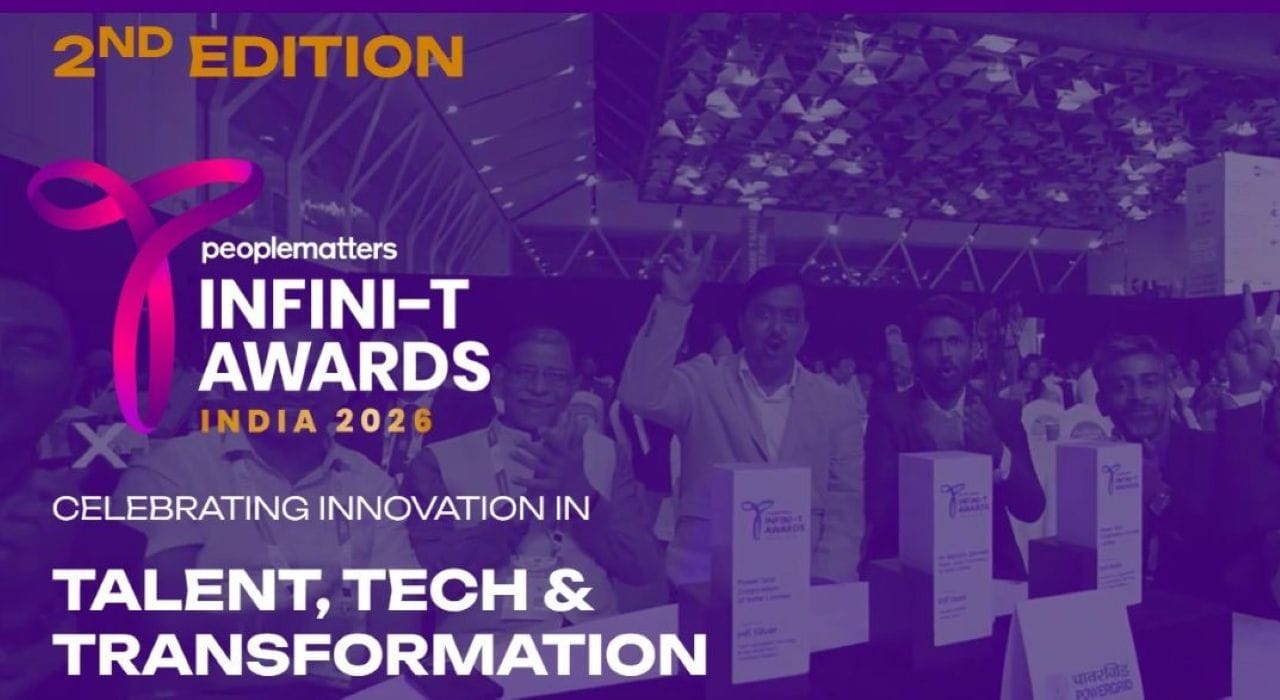
The People Matters Infini-T Awards India 2026, now in its second edition, sit at this intersection, recognising innovation across talent, tech, and transformation. What makes the platform valuable is what it creates beyond the ceremony: digital badges, publication features, speaking and sharing opportunities, and access to mentorship and networks with changemakers, jury members, and future leaders.
Beyond the awards night, winners become part of an exclusive league of leaders and innovators who continue the conversation, share their journeys, and contribute to a larger legacy of change.
For HR leaders, this is a chance to bring visibility to work that often stays inside meeting rooms, internal dashboards, and leadership reviews. For organisations, it is an opportunity to strengthen their people brand and recognise the teams that made transformation possible.
It is also a chance to sit among the leaders shaping the next chapter of People & Work, compare journeys with peers, and place one’s work in a circle where ideas are not only applauded but carried forward.
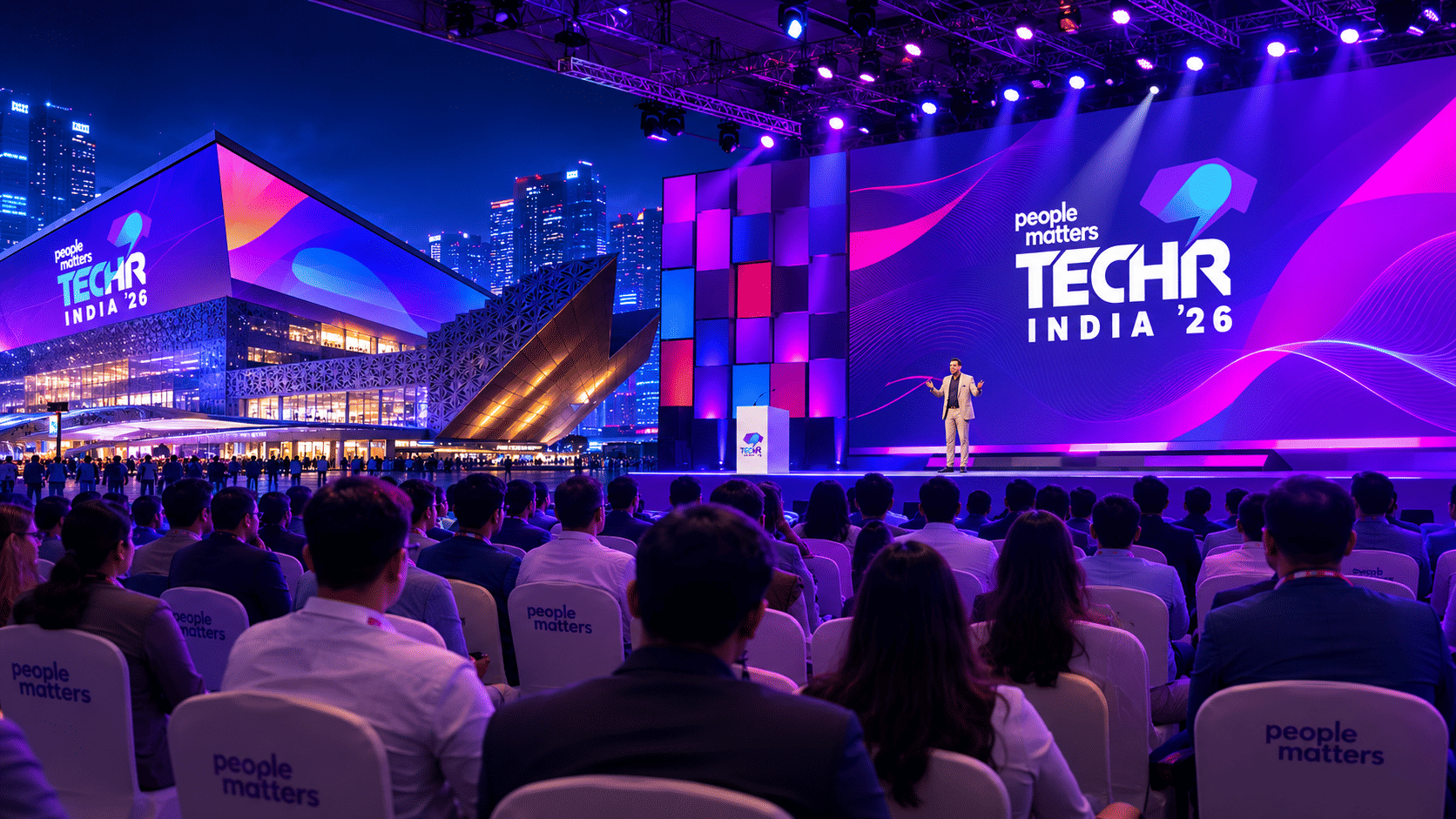
Nominations for the People Matters Infini-T Awards India 2026 close on 10 July. The winner felicitation will take place on 7 August 2026 at Yashobhoomi Convention Centre, Delhi, as part of People Matters TechHR India 2026.
If your work has embedded long-term thinking into transformation, built capability across people and technology, created scalable talent innovation, or reflected learning from both success and failure, it deserves to be seen.
Before every visible win, there is work most people never see.
This year, that work has a stage.
Let it take its place among the best.