There was a time when organisations could afford to adapt.
A new technology emerged, a market shifted, a crisis unfolded and leaders responded. That cycle defined the last decade. It also worked.
It no longer does.
At People Matters TechHR India 2026, the premise is more direct and less forgiving. The world of work is no longer being reshaped by single forces but by overlapping ones, moving simultaneously and at speed. In that environment, reacting well is not leadership. Designing the outcome is.
This is the year the conversation moves from adapting to orchestrating.
When disruption stops being episodic
The shift is not theoretical. It is already visible across industries.
Insights from organisations such as World Economic Forum and McKinsey & Company point to a convergence that is both structural and sustained:
- AI moving from experimentation to industrial deployment
- Workforce models fragmenting across geographies, skills and contracts
- Economic nationalism reshaping supply chains and talent mobility
- Demographic shifts altering workforce availability
-
Rising expectations around equity, wellbeing and meaningful work
Individually, each of these trends demands attention. Together, they create something more complex.
They change not just how organisations operate, but how they are built.
This is where adaptation begins to fail. It addresses change in parts. What is needed now is alignment across parts.
Orchestration as a leadership discipline
TechHR India 2026 positions orchestration not as a metaphor, but as a discipline.
It is the act of intentionally aligning technology, people, strategy and environment so outcomes are not incidental but designed.
The framework is simple, but its implication is not:
- Possibilities expand what can be done
- Inspiration defines what should be done
- Action delivers what is planned
- Pivot corrects what is misaligned
-
Orchestration ensures all of it works together
The shift is from movement to coherence. And coherence is now the harder problem.
Why HR sits at the centre of this shift
One of the clearest positions emerging from this year’s theme is the redefinition of HR’s role.
Not as a support function. Not even as a transformation partner. But as the orchestrator.
This is grounded in how organisations actually function:
- HR holds a system-wide view across talent, culture and performance
- It operates at the intersection of business priorities and human outcomes
- It increasingly mediates the relationship between AI systems and workforce experience
-
It is already the advisor leadership turns to during uncertainty
In a fragmented environment, the function that sees the whole system becomes critical.
That is the opportunity. It is also the expectation.
What orchestration demands in practice
The agenda at TechHR India 2026 reflects this shift through four interconnected lenses, each pointing to a deeper redesign of work.
1. The operating system is being rebuilt
HR systems are moving beyond efficiency towards intelligence.
- AI-led workforce planning is becoming predictive rather than reactive
- Data governance is shifting from compliance to design principle
-
Tech stacks are being rethought as integrated ecosystems, not tools
The question is no longer what HR does, but how it thinks.
2. Work itself is being redesigned
Roles are no longer fixed units. They are becoming fluid combinations of human capability and machine augmentation.
- New roles are emerging at the intersection of technology and ethics
- Skills are becoming more durable than job titles
-
Performance models are shifting towards contribution over designation
This is not reskilling at the edges. It is restructuring at the core.
3. Experience is being redefined in real time
Employee experience is now shaped as much by systems as by culture.
- AI copilots and agents are entering everyday workflows
- Interface design is influencing productivity, autonomy and trust
-
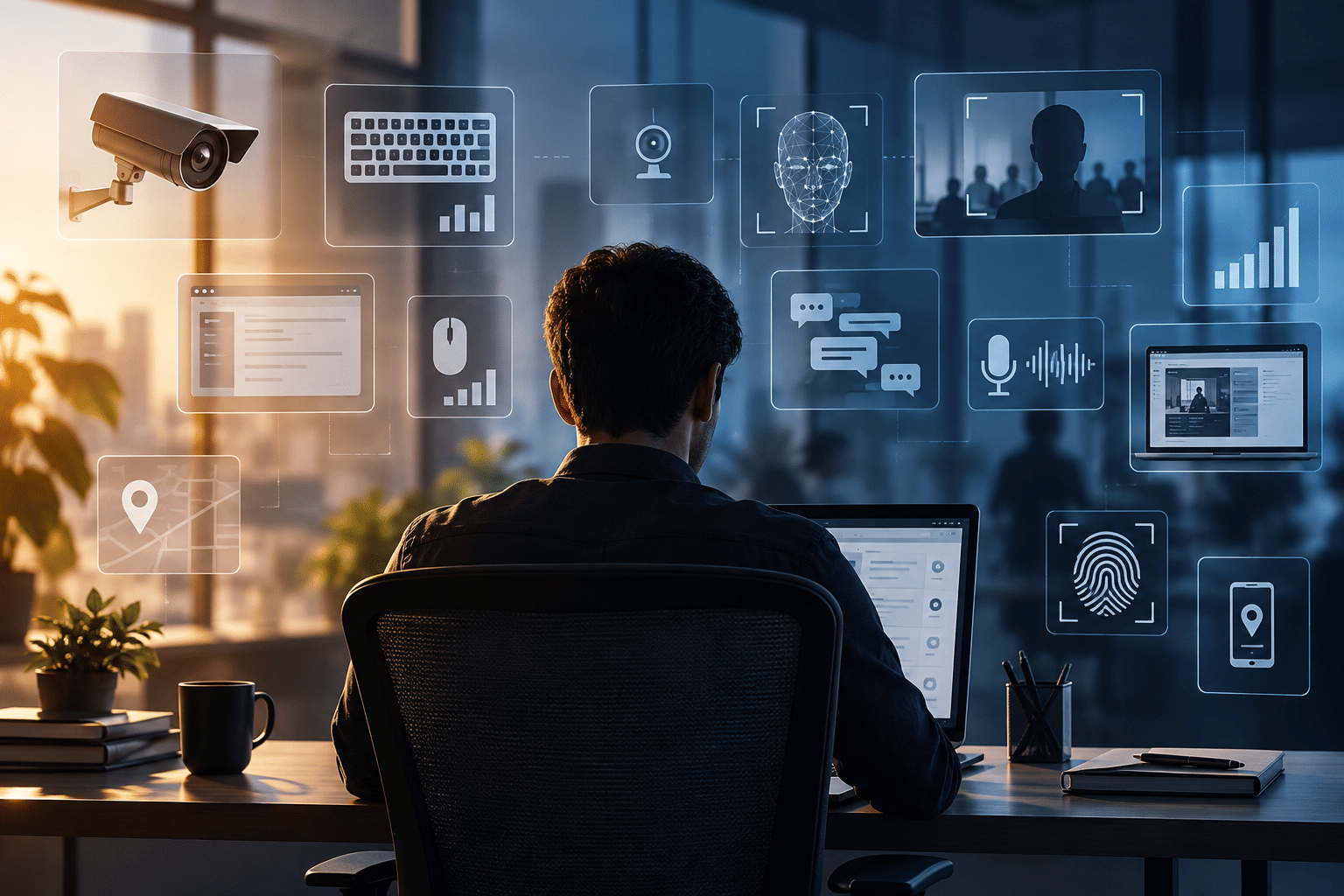
Questions around surveillance, bias and privacy are moving to the forefront
The workplace is no longer just managed. It is engineered.
4. Innovation is being asked to last
Speed is no longer enough.
- Organisations are being pushed to align innovation with long-term value
- Human judgement is becoming critical in determining what should scale
-
Sustainability is moving from narrative to operational requirement
The focus is shifting from what can be built quickly to what should endure.
A platform designed for participation, not observation
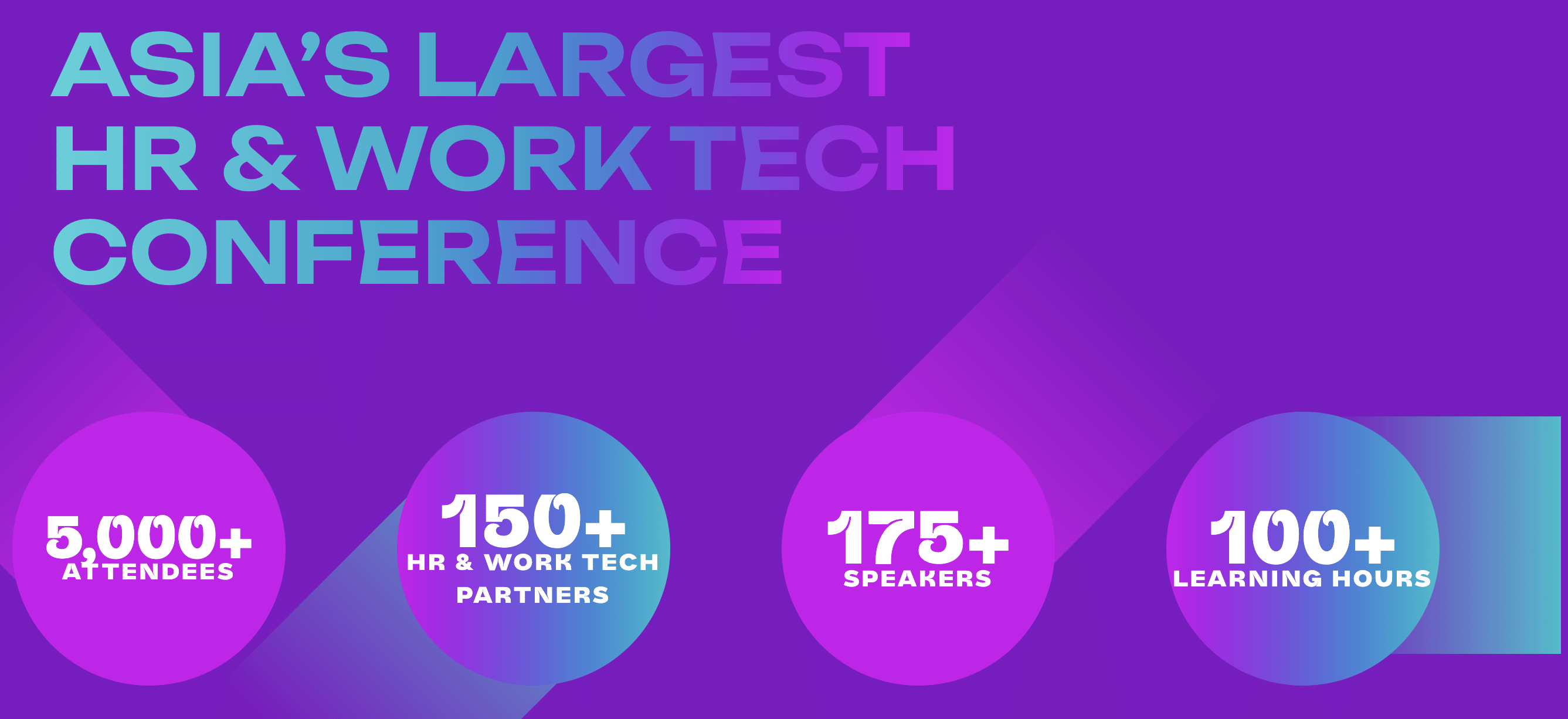
The structure of TechHR India 2026 reflects the nature of the problem it addresses.
Beyond traditional sessions, the format introduces:
- Closed-room leadership huddles where decisions are debated, not presented
- Case-led discussions that focus on execution rather than theory
- Cross-industry and cross-discipline voices that challenge default thinking
-
Real-time dialogues on unresolved and uncomfortable questions
For leaders navigating AI adoption, workforce redesign and organisational complexity, the question is no longer what is changing. It is how these changes are being connected.
TechHR India 2026 is designed as a space to work through that question with peers, practitioners and decision-makers facing the same pressures.
If even a part of this made you pause, question, or rethink how you lead, you’ll want to experience what TechHR feels like in person.
Register now and be part of the shift!