








With the technological revolution in artificial intelligence and evolution of HR into a strategic partner, HR leaders must rise to the challenge in the current business landscape. Developing a multifaceted approach to talent acquisition and management, harnessing the power of analytics to identify skill gaps, fostering a learning environment and embracing cultural sensitivity are some of the capabilities necessary to lead in unconventional times.
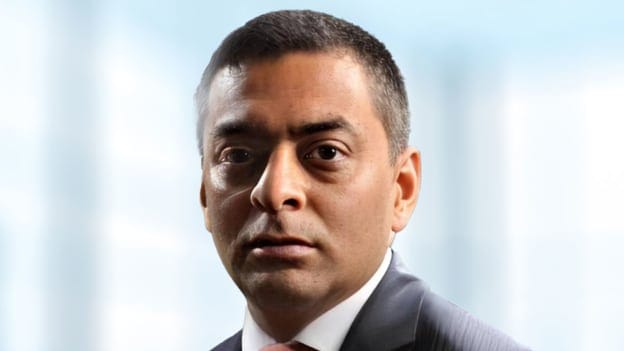
As People Matters partners with Aon to launch this year’s edition of ‘Are You in the List Awards’ to identify the bold and courageous talent powerhouses of tomorrow, we get into this exclusive conversation with Nitin Sethi, CEO, Aon Consulting, India & South Asia to know more about the HR capabilities, a collective vision to build disruption-proof and change-ready organisations and what’s new in the application and assessment process brought on by the partnership with Aon.

Excerpts from the interview:
As organisations brace themselves for a turbulent business climate, what is the key to securing future-ready, resilient, and agile talent? How must the HR function evolve to build this kind of workforce?
Securing future-ready, resilient, and agile talent is essential for organisations navigating a turbulent business climate. The key lies in developing a multifaceted approach to talent acquisition and management.
Firstly, organisations need to cultivate a strong employer brand that appeals to top talent. This involves showcasing the organisation's values, mission, and unique culture to attract individuals who align with those aspects. Additionally, emphasising a positive employee experience by providing a supportive work environment, opportunities for growth and development, and a healthy work-life balance can help in attracting and retaining talent.
Secondly, our research suggests that there is a shift in focus from deep specialisation to generalised specialisation from a talent standpoint. Organisations must focus on upskilling and reskilling initiatives with a focus on competencies that cut across sectors, products or services to ensure that their workforce remains adaptable and equipped with the necessary skills for the future. This could involve providing training programs, educational resources, and mentorship opportunities to help employees enhance their capabilities and stay relevant in rapidly evolving industries.
Furthermore, building a culture of continuous learning and development is vital. Encouraging employees to embrace a growth mindset and fostering a learning environment where new ideas are valued will help nurture agile and resilient talent.
From an HR perspective, the function must evolve from a transactional role to a strategic partner. HR professionals need to become adept at leveraging data and analytics to make informed decisions about talent acquisition, development, and retention. By harnessing the power of analytics, HR can gain insights into workforce trends, identify skill gaps, and implement targeted strategies to address them.
In India, organisations must also consider the local talent landscape and cultural sensitivities. Providing competitive compensation packages, offering growth opportunities, and embracing the country's diverse workforce can help in securing talent.
As we explore more on the evolution of HR, what are the qualities that should define the next generation of HR leaders? What capabilities do you believe will make them ready to lead in unconventional times?
The qualities that should define the next generation of HR leaders are multifaceted and adaptable to unconventional times. While it is difficult to narrow down the key competencies that will make them ready to lead, there are a few that I believe are essential today:
HR leaders in India also need to navigate the country's diverse workforce, cultural nuances, and labour laws. Understanding the local talent landscape, embracing inclusivity, and demonstrating cultural sensitivity are essential qualities for HR leaders to succeed.
Over the last few years, has HR capability moved up in priority for CHROs and CEOs. What steps do you think they are taking in this direction?
Over the last few years, HR capability has indeed moved up in priority for CHROs and CEOs. They recognise the critical role that HR plays in shaping the organisation's talent strategy and driving business outcomes. Through the lens of a multitude of client engagements that Aon has undertaken in the space of HR capability development, a few prominent trends come to the forefront:
CHROs and CEOs are increasingly considering the unique challenges and opportunities presented by the Indian talent market. They are tailoring talent strategies to attract and retain talent in a highly competitive environment and leveraging the country's rich talent pool to drive business growth.
Since you have partnered with us to identify the HR leaders of tomorrow through ‘Are you in the List Awards 2023’, what will Aon assessments do differently with our nominees this time?
As a partner in the 'Are you in the List Awards 2023', Aon assessments will bring a fresh and innovative approach to identifying the HR leaders of tomorrow. This year, our endeavour has been to drive rigour into the assessment suite as well as focus on capability development of the participants so that they can have an enriching experience through this process.
This year, we have introduced a battery of functional assessments for emerging HR leaders across areas of talent acquisition, talent management, rewards, OD, L&D and the likes. These assessments will ensure that we recognise emerging HR leaders, not only on the basis of behavioural competencies, but also domain expertise.
Furthermore, our assessments will leverage advanced analytics to gain deeper insights into the nominees' skills, capabilities, and potential. By utilising sophisticated assessment tools and algorithms, we can provide a comprehensive analysis of each nominee's suitability for HR leadership roles.
We’ve also incorporated psychometric assessments that go beyond traditional evaluations. These assessments can evaluate personality traits, cognitive abilities, and leadership potential, providing a well-rounded understanding of the nominees' strengths and areas for development.
The assessments will generate data-driven insights and recommendations for each nominee. These insights can help organisations understand the nominees' fit with their specific organisational culture, identify areas for development or upskilling, and make more informed decisions about their HR leadership potential.
We’ve also focused on ensuring that each participant undergoing the assessments also gets a detailed developmental report that will allow them to work on their areas of development in addition to identifying their strengths. To that end, a select few participants will get the opportunity to be mentored by a panel of eminent CHROs from leading organisations across sectors.
Given your vision to build a robust HR fraternity, what is a parting word of advice you would give on aligning talent strategies to business outcomes? What is the one step to getting closer to mastering the ‘Art of the Possible’?
When it comes to aligning talent strategies to business outcomes and mastering the 'art of the possible,' my advice would be to focus on creating a culture of continuous learning and adaptability within your organisation. This is the key towards building a robust HR fraternity.
Encourage your HR teams and leaders to embrace a growth mindset and stay updated with the latest industry trends and emerging technologies. Foster a culture that values innovation, experimentation, and the willingness to challenge the status quo. Additionally, it's crucial to have a deep understanding of your organisation's strategic goals and objectives.
By aligning your talent strategies with these business outcomes, you can identify the critical skills, competencies, and leadership capabilities required to drive success. Leverage data and analytics to gain insights into your talent pool, identify skill gaps, and make informed decisions about recruitment, development, and succession planning.
Embrace technology-driven solutions that can streamline HR processes and provide actionable insights for talent management. Lastly, collaborate closely with other business functions to ensure that talent strategies are integrated into broader organisational initiatives. This will help align HR with the overall business strategy and foster a more holistic approach to talent management.
By following these steps and continuously adapting to the changing needs of your organisation and the broader business landscape, you can create a strong HR fraternity that drives tangible business outcomes and paves the way for future success.
The winners of the People Matters Are You In The List Awards 2023, powered By Aon will be announced during our flagship conference, People Matters TechHR India on August 4 at Leela Ambience, Gurugram. Currently at stage 4, the finalists are busy getting coached by leading CHROs. Stay tuned for more updates on the awards!