As consumer-facing businesses grapple with digital disruption and shifting market expectations, HR leaders face a parallel challenge: how to modernise systems without diluting the human core of the organisation.
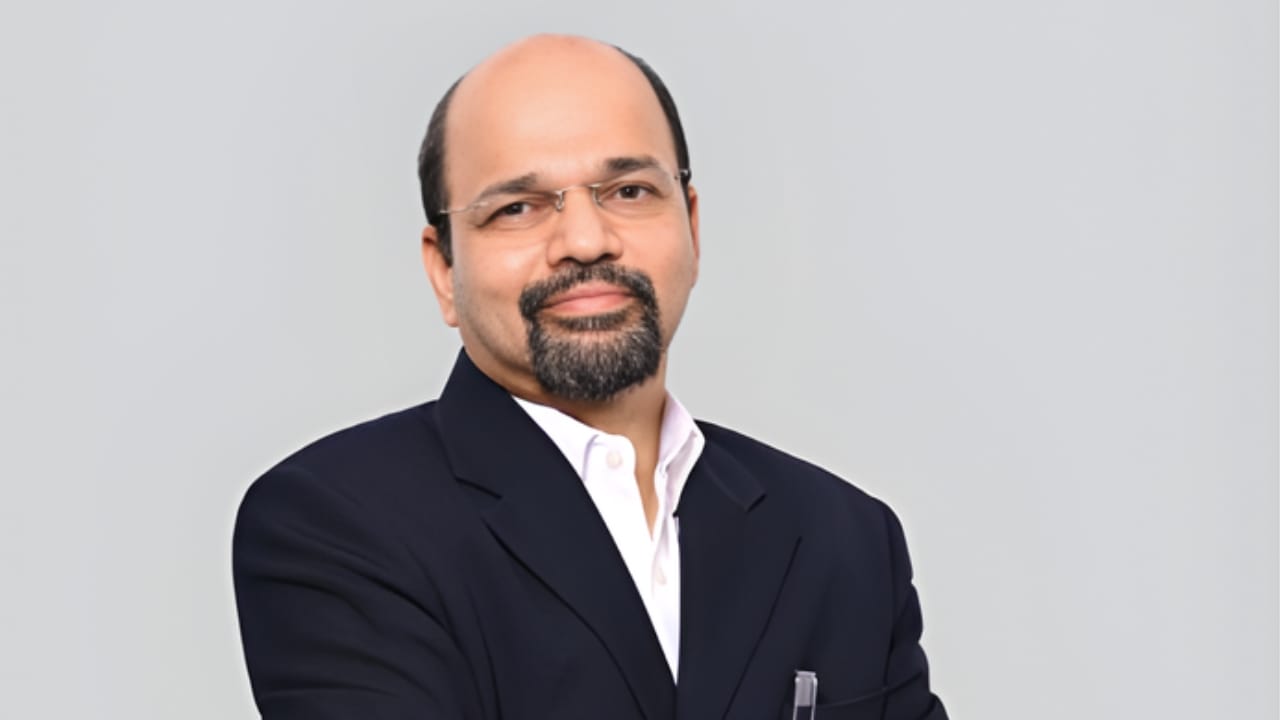
For Dr Prasanth Nair, Chief Human Resources Officer at Crompton Greaves Consumer Electricals, the answer lies in balancing efficiency with belief. Digitisation, he argues, must reduce friction — not create distance.
Transformation is a mindset shift
“In consumer-facing businesses today, the pace of change is relentless,” Nair says. Consumer expectations are evolving rapidly, digital channels are multiplying, and organisations are expected to respond faster while maintaining consistency and trust.
From a people standpoint, he believes the core challenge is not structural but psychological. “The biggest transformation challenge is that change is not only about new strategies — it requires a mindset shift in the way teams work, collaborate and take decisions.”
At Crompton, this thinking underpins the company’s “Crompton 2.0” journey, focused on strengthening fundamentals, improving process excellence and building capability for long-term growth. A key shift has been moving away from silo-based working towards a matrix structure where shared ownership outweighs functional boundaries.
Resistance, Nair suggests, is often misdiagnosed. “In most cases, resistance is not pushbacks, it is uncertainty.” Clear communication and two-way dialogue, he says, are therefore “essential, not optional.”
He sums up his philosophy succinctly: “Trust + Communication is greater than Resistance + Fear + Uncertainty + Change.”
Embedding culture into systems
Crompton anchors its culture in its C.R.E.A.T.E. values — Caring, Responsible, Entrepreneurial, Accountable, Team Player and Ethical. These, Nair stresses, are not aspirational slogans but behavioural expectations embedded into performance systems.
The organisation operates on what he describes as a dual agenda of “Transform” and “Perform”, ensuring that short-term delivery and long-term capability building are reviewed together. Performance assessments evaluate not only outcomes but the way results are achieved.
Culture reinforcement, he adds, is sustained through leadership communication platforms such as SyncUp, town halls and recognition programmes that create consistency across locations.
Digitisation with a human touch
Against this backdrop, HR digitisation has accelerated sharply. “Earlier, technology was largely used for transactional work, but today it plays a central role in enabling employee experience, speed, and transparency,” Nair explains.
Over the past year, Crompton and its subsidiary Butterfly have strengthened core systems across payroll, leave and attendance, and introduced more structured lifecycle processes including offboarding. The company has also automated its sales incentive tool and launched SyncUp as an intranet platform to improve internal connectivity.
Yet Nair draws a clear boundary. “Digitisation should not feel impersonal. Technology must reduce friction, not create distance.”
The company is investing in AI tools such as Nexus AI and conducting training sessions on practical AI applications to improve productivity. But engagement, he insists, is built through leadership connection and cultural clarity, not software alone.
“We believe in High Tech with Human a Touch,” he says.
Aligning talent with consumer reality
Beyond digitisation, Nair views talent strategy as inseparable from market strategy. Consumer businesses, he argues, must align workforce architecture with innovation cycles and category expansion.
Crompton’s shift from a product-first to a consumer-first approach requires employees to operate with broader, cross-functional perspectives. Job rotations, targeted learning interventions and consumer immersions are designed to sharpen decision-making and deepen market understanding.
“Business agility improves when teams are aligned to performance goals, but equally equipped to drive transformation,” he notes.
Succession planning has also become more structured, reflecting what Nair describes as the demands of a professionally managed organisation without a promoter. Leadership continuity and readiness, he argues, are “business-critical”.
Inclusion, flexibility and realism
On diversity and inclusion, Nair defines meaningful progress not by representation alone but by everyday experience. Inclusion, he says, is reflected in fairness, opportunity and belonging.
Workforce expectations are also shifting. Crompton offers a three-days-per-month work-from-home policy and evaluates employees on outcomes rather than hours. At the same time, performance discipline remains central.
Looking ahead, Nair believes the sector’s defining challenge will be scaling capability as fast as ambition. Leadership development programmes, structured capability frameworks and rigorous safety systems form part of that agenda.
But he remains pragmatic about constraints. Talent availability in niche roles, rising growth expectations and cost pressures will test leadership resolve.
Ultimately, he argues, organisations that succeed will treat leadership readiness, talent development and safety not as HR initiatives but as strategic imperatives.
In an era of rapid digitisation, the message from Crompton’s CHRO is measured rather than exuberant: technology can accelerate systems, but only trust can accelerate belief. And without belief, transformation rarely endures.