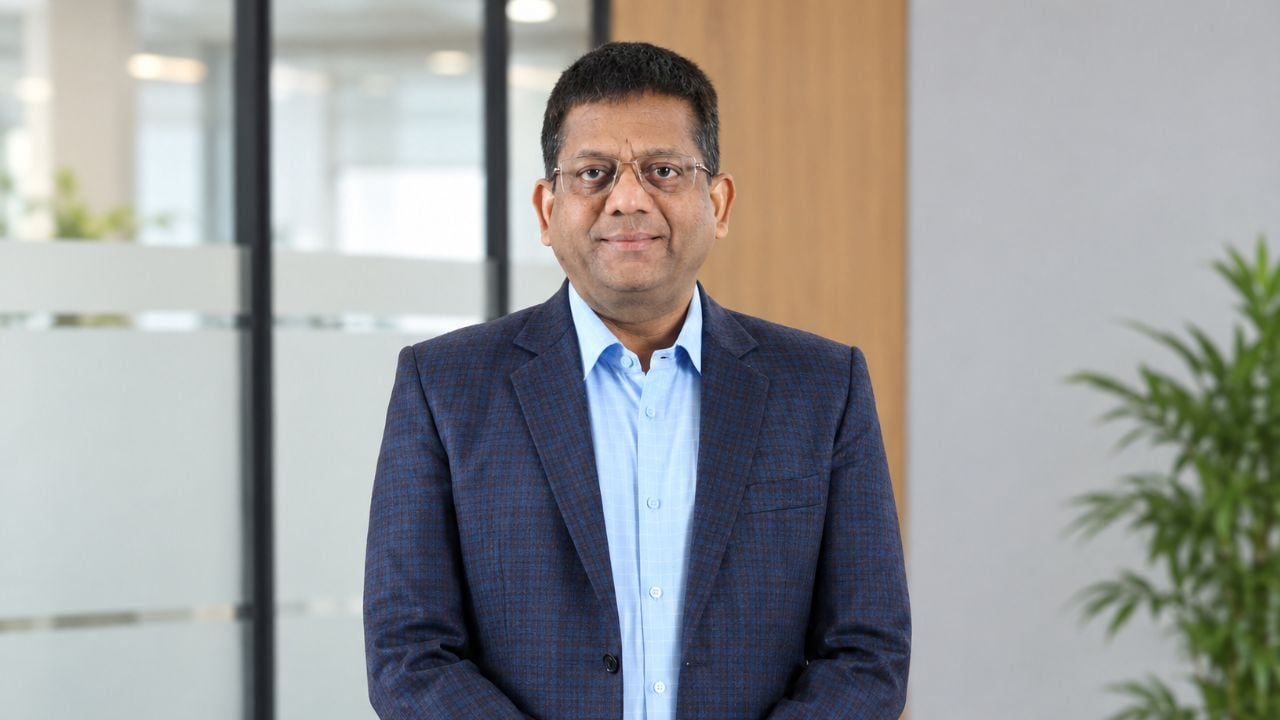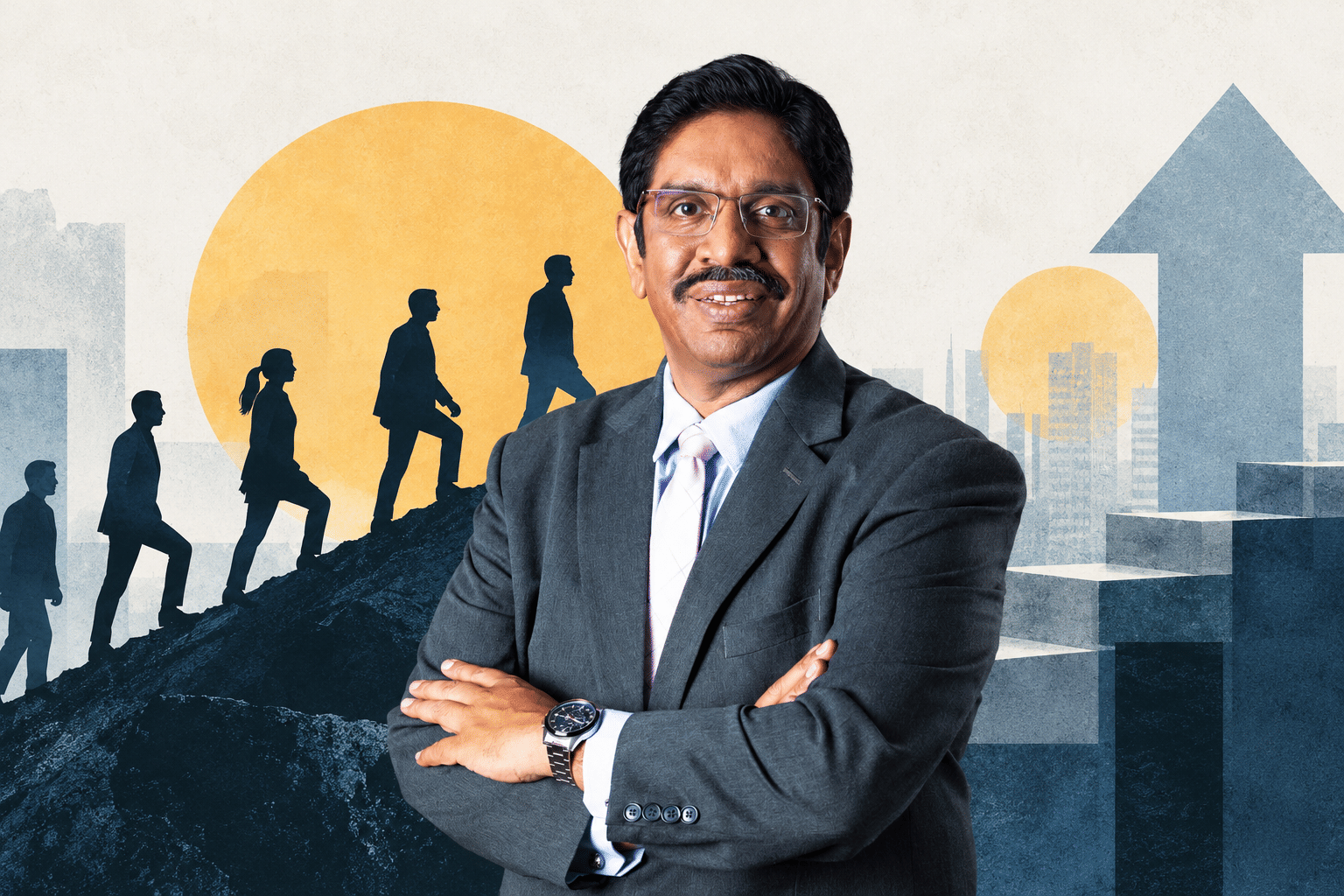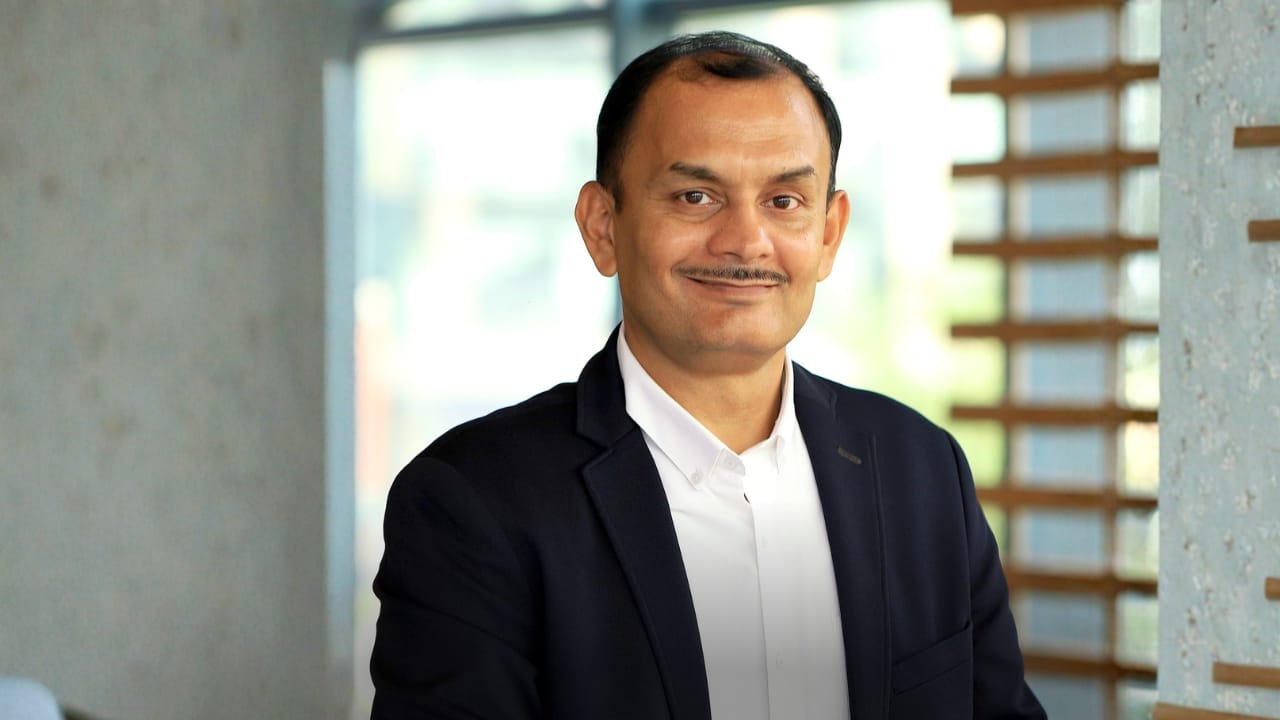
Corporate social responsibility and human resources rarely share the same sentence. One is seen as philanthropy, the other as performance. Yet at McDonald’s India – North & East, the two are deliberately entwined. Managing Director Rajeev Ranjan calls it employment-led CSR — a model that places opportunity, not charity, at the centre of both social and business impact.
“At McDonald’s, we believe opportunity can change lives, and business has a powerful role to play in creating that opportunity,” he said. “For us, employment-led CSR is not an initiative; it’s an extension of our people-first philosophy.”
The company’s flagship McDonald’s for Youth programme recruits young people from underserved communities and integrates them into formal employment, equipping them with life and workplace skills. It’s a form of CSR that doesn’t sit outside the company — it sits at its core.
“When you offer someone their first job, you’re not just providing employment; you’re helping them build confidence, develop essential life skills, and unlock their full potential,” Ranjan said.
CSR and HR: Two functions, one purpose
The model challenges an entrenched corporate habit — treating CSR and HR as two separate silos. “Employment-led CSR, like our McDonald’s for Youth programme, is not philanthropy in isolation; it’s a long-term investment in people,” Ranjan explained.
The impact, he added, is circular: it strengthens communities while building the business from within. “This alignment between purpose and performance strengthens both — it makes business more human and society more inclusive. In doing so, we blur the traditional line between CSR and HR, demonstrating that meaningful impact and strong business performance can go hand in hand.”
Ranjan acknowledges that bringing first-generation workers into a structured workplace is not without friction. “For many first-generation workers, formal employment comes with hurdles such as a lack of workplace exposure, limited confidence, and difficulty adapting to structured environments.”
McDonald’s addresses these gaps with a hands-on approach — pairing each new hire with a peer mentor, offering customised training, and sustaining a culture that rewards growth over background. “Each crew member is paired with a buddy who helps them settle in, and our training programmes are designed to meet people where they are,” he said.
The results, he added, have been visible. “Over time, we’ve seen remarkable transformations; individuals who once hesitated to speak up are now leading teams with confidence.” Continuous learning and leadership programmes help employees progress, proving that early intervention can produce long-term capability.
Partners on the ground
The initiative’s success, Ranjan said, rests on collaboration. McDonald’s India – North & East partners with a network of NGOs including Magic Bus Foundation, Tech Mahindra Foundation, Quess Corp Foundation, Tarraqi, and Anudip Foundation to identify and train candidates.
“Our NGO partners bring deep community engagement and grassroots understanding,” Ranjan explained. “They know the realities, aspirations, and barriers faced by youth from underserved backgrounds and can identify candidates who are motivated yet lack access. Their local connect and credibility are strengths that corporate HR teams alone cannot replicate.”
In practice, the partnership works like an employment bridge — NGOs prepare young people for workplace readiness, and McDonald’s provides a clear entry into the formal economy. It’s a model that leverages the empathy of social institutions with the scale of a corporate employer.
Critics of employment-led CSR often argue that such programmes risk keeping youth confined to low-wage, entry-level jobs. Ranjan disagrees. “We are very clear that McDonald’s for Youth is not about temporary employment; it is about long-term empowerment. At McDonald’s, every role is a starting point, not a stopping point.”
He points out that many restaurant managers and even area leaders began as crew members — evidence, he said, of an internal ladder that genuinely works. “We invest heavily in training and internal mobility, so that every young person who joins us can see a clear path ahead. What matters most is not where you start, but how much you grow.”
That growth, he added, benefits both sides: “These initiatives have not only improved employee retention and engagement but have also built a strong internal talent pipeline, ensuring operational excellence and long-term ROI.”
Scaling purpose
By 2025, McDonald’s India – North & East aims to source 50% of its entry-level hires through NGO channels — a target Ranjan describes as “ambitious but achievable.” Yet, he insists the concept is bigger than one brand.
“No single company can solve the challenge of youth unemployment alone,” he said. “But when the private sector, NGOs, and government align around a shared goal of employability, we can build a sustainable model for the entire industry.”
He sees employment-led CSR as a framework that can scale. “If more organisations adopt employment-led CSR, it would not only address youth unemployment but also create a more resilient, skilled workforce for the service sector as a whole,” he said.
With over 33 lakh community-based organisations in India, the potential, Ranjan argued, already exists. “What’s needed now is the collective will to turn CSR into large-scale job creation.”
Asked why this initiative matters to him personally, Ranjan’s answer was direct: “Because I’ve seen the change up close.”
He described young recruits who enter the company shy, uncertain, sometimes supporting their families by the end of their first year. “A young person who starts with us often supports their entire family within months. That sense of pride, of dignity, it’s transformative.”
For Ranjan, the philosophy behind McDonald’s for Youth is simple. “Donations can provide temporary relief. But a job builds independence, purpose, and hope. To me, that’s the truest form of empowerment, and the most meaningful contribution any company can make.”
The future of purpose-led people strategy
As organisations rethink the social contract of work, McDonald’s India – North & East’s experiment with employment-led CSR offers a glimpse of what integrated purpose might look like in practice. It’s not about charity or optics; it’s about weaving social inclusion into the DNA of business growth.
For HR leaders, the takeaway is strategic: CSR can’t remain an annual report section. It belongs in the hiring funnel, the training room, and the boardroom agenda. Purpose, in this model, isn’t a story to tell — it’s a system to build.
And for Rajeev Ranjan, the equation remains clear: when opportunity and business align, both people and profits rise together.