








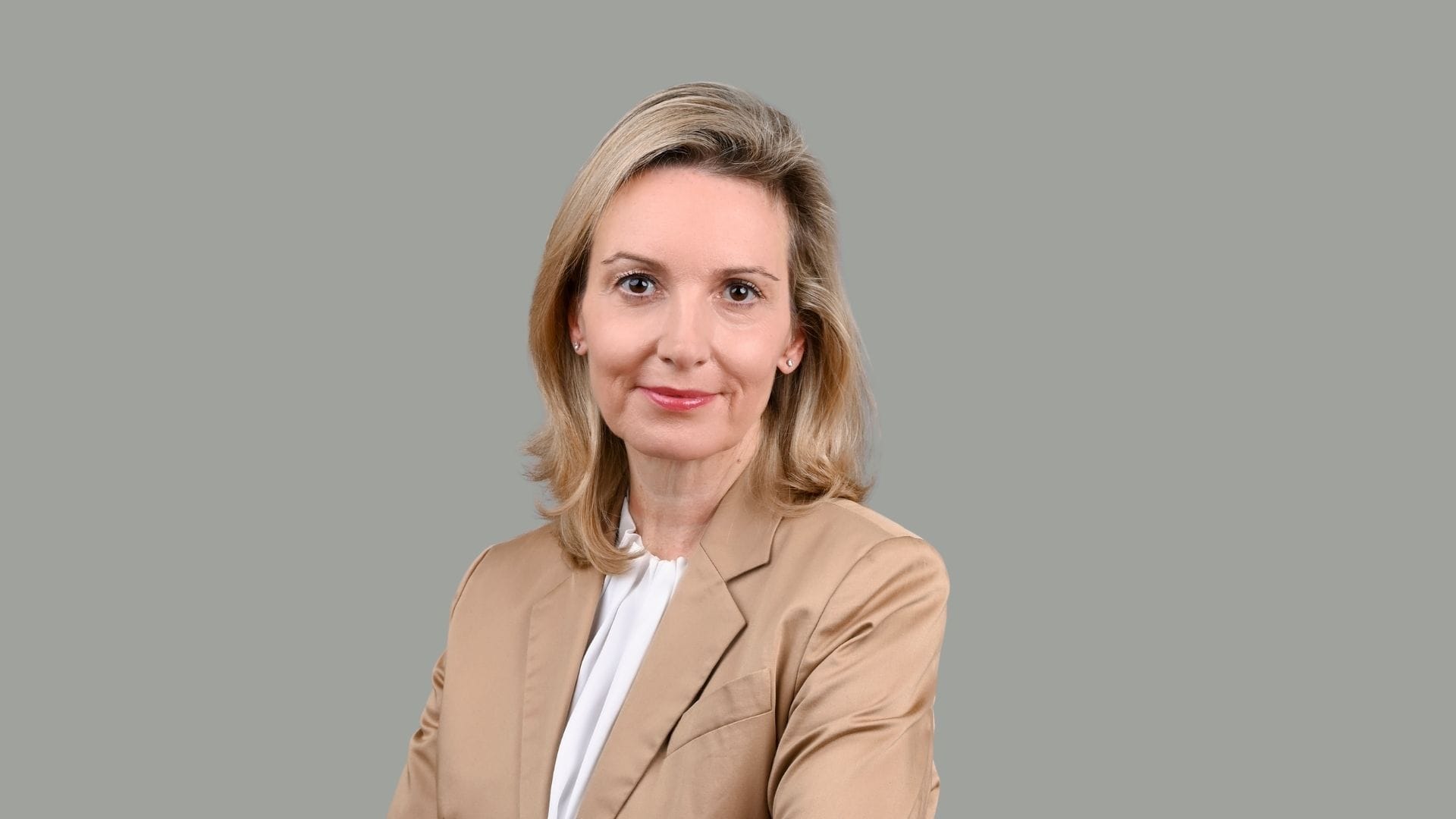
In a world where technology and rapid change define the business landscape, the role of Human Resources has never been more critical. In an exclusive interaction with People Matters, Julia Braun, Chief Human Resources Officer (CHRO) at SoftwareOne, with operations in over 70 countries, spoke about how she has firsthand witnessed the transformation of HR from a transactional back-office function to a strategic partner at the heart of the C-suite.
On her recent trip to India, Braun shared the pivotal moments that shaped her philosophy, beginning with her early career in the people-centric hospitality industry. There, she discovered the power of talent development not as a checkbox, but as a key driver of retention and organisational growth. During our conversation, we explored how leaders can navigate the challenges of an uncertain world—from managing a global, 13,000-strong workforce to integrating a new acquisition. Braun emphasises that in an era of unprecedented change, the most crucial leadership competencies are resilience, transparency, and, above all, the ability to listen.
The leader also spoke about the unique importance of the Indian market for the Switzerland-headquartered company, with a revenue of CHF 1.6 billion, where she sees a huge opportunity to leverage a young, tech-savvy, and highly talented workforce. Edited excerpts
You've had a distinguished career in people and culture spanning over two decades, from hospitality to the tech industry. Could you share some pivotal moments that shaped your leadership philosophy and the core principles that guide your vision for talent management?
The role of HR has changed dramatically. When I started my career in the hospitality industry, HR was largely a support function, very transactional. But my time there, with a hotel chain like Holiday Inn, was a defining moment. We had high employee turnover, so we had to get creative. We started developing talent programs to retain people and build an internal succession pipeline. That's when it clicked for me that talent development isn't just a checkbox; it's a strategic lever that touches every part of an organisation, from hiring to nurturing future leaders.
I've always been a strong believer in internal promotions and development. I carried that philosophy with me when I moved to direct selling with Tupperware. There, we learned that when you nurture talent early, you create a strong bond with the organisation and a powerful network of people who support each other.
We're seeing CHROs become strategic partners to the C-suite, deeply involved in shaping the company's vision. How have you seen the CHRO role evolve to take on this level of responsibility, especially in SoftwareOne?
I firmly believe that, regardless of SoftwareOne, HR must have a seat at the table and be a part of the board. Today, HR is a strategic function because we are the gateway for all talent that enters an organisation. Our role is to shape not only the culture but also how decisions are made, because at the end of the day, every business decision is made by people.
This represents a huge mindset shift. In the past, HR was often seen as a transactional support function. Now, we are strategic business partners. I see HR operating on three pillars within an organisation:
Business Partnership: This is our strategic function, where we consult with leaders to drive key business outcomes.
Centres of Excellence: This includes specialised areas like talent acquisition, talent management, and compensation. This is where our deep functional expertise resides.
Shared Service Centres: This is the operational engine—the "machine room" that handles the day-to-day hygiene of the organisation.
By leveraging these three pillars, we are well-equipped to manage the entire lifecycle of our people, from their first day to their last.
We've seen so much uncertainty in the last few years, from global disruptions to concerns about job security. What key lesson has been most useful for you in navigating these times?
I believe one of the most critical competencies for any leader today is resilience. When navigating through tough times, you have to be resilient and stay true to yourself. This is what people need to see and expect from their leaders.
Another crucial lesson is to be open and transparent. It's okay not to have all the answers. In fact, telling people, "I don't know," is often appreciated. It builds trust. In times of transformation, you also cannot communicate too much. Even when you feel like you've communicated a lot, it's probably not enough. You need to use different channels to ensure your message is cascaded effectively throughout the entire organisation, and you should never stop communicating.
Speaking of your workforce, I understand India is your largest single country in terms of employee count amongst 70+ countries? How has SoftwareOne's strategy for India evolved over the years?
With around 13,000 employees globally, spread across 70 countries, India has become our largest single country for talent, with over 1,600 employees. We've seen a dramatic shift in how we view the country. A decade ago, India was often seen as a source for cheap labour. While some cost advantages remain, the real value now is in the talent itself. Due to excellent education systems and a vibrant ecosystem of multinational companies, India has a great talent pool. The population is young, well-educated, and incredibly eager to learn. It's almost in the country's genes to drive and develop quickly.
India is not just a hub for shared services and support functions. We have a large and fast-growing sales team here, serving the Indian market directly. We have a very sustainable and fast-growing business in India itself. Our growth strategy is two-fold: we are expanding our business in India, and we will continue to build our Competence Centres here because we see that's where the talent is.
As a leader managing a workforce in over 70 countries, how do you devise a people strategy? Do you believe in a one-size-fits-all approach, or do you tailor policies to specific regions?
I absolutely do not believe in a one-size-fits-all approach. We have global policies for governance and consistency, which are crucial for a listed company. But it's essential to then take those global frameworks and adapt them to local needs. I often say that People & Culture doesn't exist for itself; it exists to serve its audience. Our policies must, first and foremost, comply with local legislation. Beyond that, they must be flexible enough to help the business grow and succeed. We don't act as a police force; we are an enabler for the business, and that is a critical distinction.
Can you give us a couple of examples of policies that have been specifically tailored for India and have proven successful?
We have a few great examples. Our Academy program, which brings in young graduates, is a global initiative, but we've created a tailor-made curriculum specifically for the Indian market. We also run a successful "SOAR" program here for women returning after a career break or maternity leave, which has become a significant talent pipeline booster.
In terms of employee support, we are very flexible with hybrid working arrangements, especially given the challenges of traffic. We also provide transportation, including dedicated buses for women, to accommodate local needs. We believe in serving our people in whatever way helps them succeed.
You've recently acquired Crayon. When two companies merge, there's always the challenge of aligning cultures and managing people's fears about their jobs. As a talent leader, how are you navigating this massive transition?
Merging two companies is a marathon, not a sprint. We were very clear from the beginning that our recent combination would take time. While there are legal requirements, the most important step is simply for people to start talking to each other. We need to understand the needs of both sides of the business and create a structured plan for coming together.
When I say "structured," I don't mean everything has to be dictated from headquarters. It's about providing people with a framework and trusting them to use their common sense to determine what's best for the business. I can't tell a seller how to best approach their new colleagues; I can only provide as much information and support as possible.
We've organised both cultural and technical workshops, and we're combining our platforms as quickly as we can. This process takes time, requires constant communication, and we have to create a safe space for people to make mistakes. It won't be perfect. My message to everyone is simple: don't expect perfection in an integration process, but don't make the same mistakes twice.
Let's talk about the impact of AI. How has AI integration affected your role as a people leader, and what is your message to employees who fear AI might take their jobs?
AI is an enabler, not a standalone entity. Our talent acquisition team, for example, uses AI for pre-screening resumes and summarising recruiting activities, which makes them more efficient. But I firmly believe the human factor is essential for final decision-making. AI is a tool to support us, not replace us.
When it comes to the fear of job loss, I tell people to look back 10 or 15 years. Jobs exist today that we couldn't have even imagined back then. This is a continuous evolution. We are focused on training and enabling our people to work with AI, not to be replaced by it. We run thousands of individual training sessions a year to ensure our people stay on top of the latest technology.
Some global leaders I spoke to recently suggest that many companies that exist today may not exist in a decade if leaders don't adapt and listen more. Do you agree with this?
I couldn't agree more. Today, the job of a leader is to listen to their people, their clients, and their business partners. Only then can you make informed decisions. The old hierarchical way of thinking is gone, at least in our industry. We believe that if you have happy, engaged, and committed employees, the business will naturally follow.
If you had to name two key skills or attitudes for an individual to succeed in their career today, what would they be?
First, curiosity. You have to be hungry to learn and explore new things. Second, resilience and the ability to deal with ambiguity. The world is full of shades of grey, not just black and white, and being able to navigate that is a critical skill. I truly believe you can train for skills, but you can't train for attitude. We hire for attitude and train for skills.
Finally, what do you envision the future workplace will look like, in 2035?
I hope we learn to leverage technology to work smarter, not just harder. I envision a future where we work more efficiently, freeing us to focus on more strategic topics. I hope that we build better ecosystems and leverage diversity of thought to create sustainable, resilient organisations. It reminds me of a famous saying, "If you don't have a seat at the table, make sure you bring a chair." That is the spirit that will drive success in the future.