The rapid expansion of digital lending is not just transforming how loans are processed in India. It is also changing who gets hired, what skills matter, and how financial companies structure their workforce.
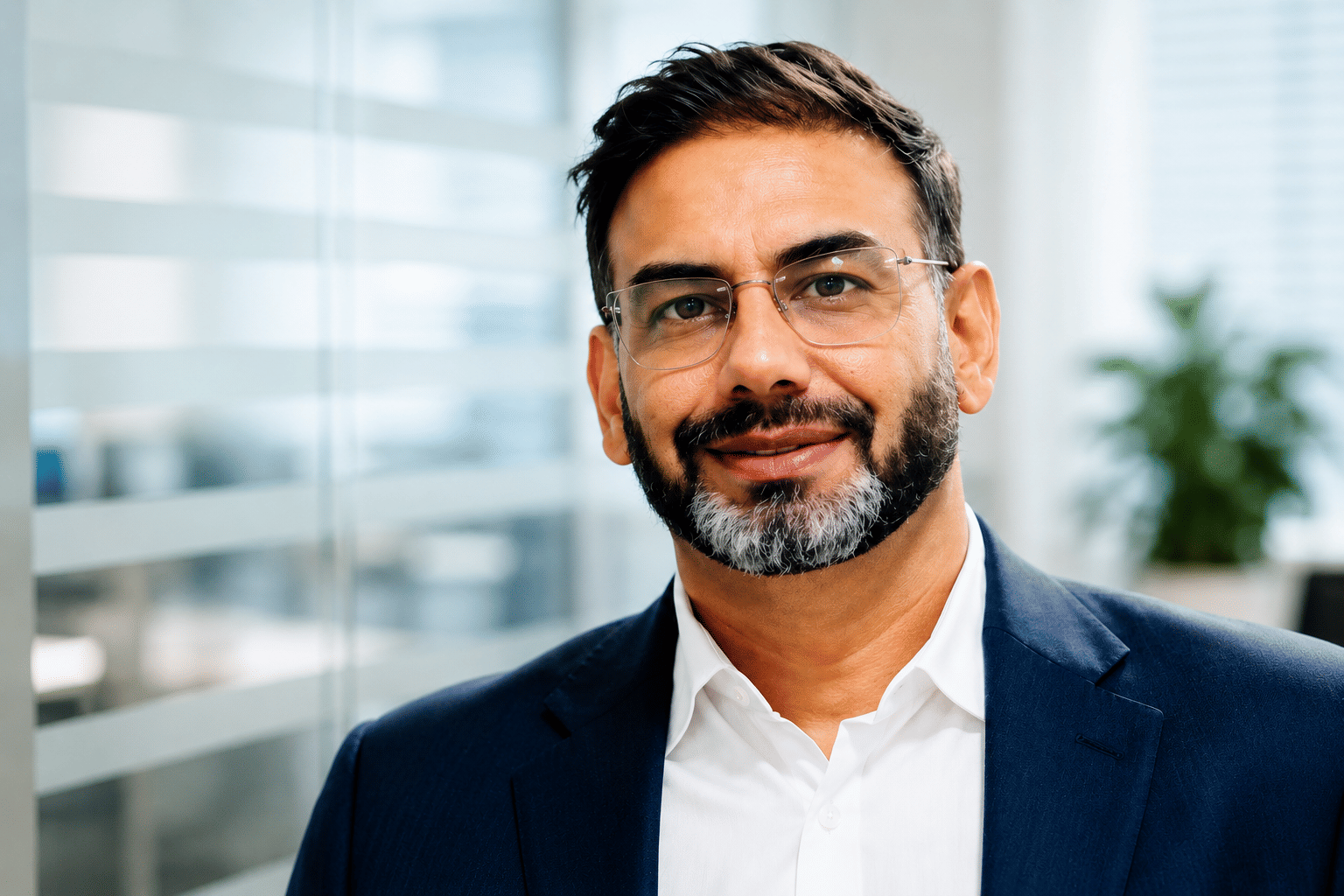
As fintech lenders increasingly rely on automation, alternative data, AI-led underwriting and digital acquisition models, traditional banking talent is no longer sufficient on its own, according to Pramod Kathuria, Founder and CEO of Easiloan.
“The workforce of tomorrow will not consist of specialists who operate only within one field alone anymore,” Kathuria says.
The shift reflects a larger restructuring underway across India’s fintech ecosystem, where companies are blending financial services with technology, analytics, customer experience and automation at a scale that traditional lending institutions historically did not require.
Lending firms are hiring beyond traditional banking roles
For decades, lending institutions largely recruited professionals with backgrounds in underwriting, branch operations, relationship management and credit processing.
Kathuria says that model is now changing rapidly.
“The emergence of digital lending organizations has led to a transformation in the kind of talent that financial service organizations seek,” he says.
According to Kathuria, fintech lenders increasingly want employees capable of combining finance knowledge with analytical and technical capabilities.
The hiring focus is now expanding towards professionals who can:
- Analyse alternative data
- Design scalable digital experiences
- Optimise customer acquisition funnels
- Improve AI-driven risk models
- Understand customer behaviour across digital ecosystems
“The lending journey is not just about assessing the eligibility of potential customers; it is also about providing them with a personalized experience,” he says.
That transition is gradually reshaping workforce structures across fintech companies, particularly as customer acquisition, underwriting and servicing become deeply integrated with digital systems.
Hybrid fintech jobs are becoming mainstream
One of the biggest shifts underway inside fintech lending firms is the emergence of hybrid roles that sit across multiple functions simultaneously.
Traditionally, credit teams, technology teams and customer acquisition functions operated separately. Kathuria says those boundaries are now disappearing.
“Previously, credit, technology, and acquisition happened in isolation. Currently, however, there is close integration of all these fields,” he says.
Among the emerging roles seeing higher demand:
- Credit analysts with data interpretation capabilities
- AI risk specialists
- Lending product managers
- Digital growth managers with financial product expertise
- Customer acquisition professionals using predictive analytics
Kathuria says professionals capable of understanding both financial risk and digital user behaviour are becoming increasingly valuable across the sector.
“At the same time, the number of professionals that can interpret customer intentions in a digital context and apply their findings in underwriting or engagement is growing immensely,” he says.
The change reflects how fintech companies are restructuring around customer journeys rather than traditional departmental silos.
Engineers and product specialists are entering finance faster
Fintech firms are also widening their hiring focus far beyond conventional banking and NBFC talent pools.
Kathuria says this does not mean finance expertise is becoming irrelevant. Instead, hiring priorities are being recalibrated.
“Fintech companies are definitely expanding beyond traditional banking talent pools from using banking professionals exclusively; however, it does not necessarily mean that it replaces the old approach it means rebalancing priorities,” he says.
While fintech firms still require professionals with expertise in compliance, regulation and credit, they are simultaneously hiring:
- Engineers
- Data scientists
- UI/UX designers
- Product managers
- Cybersecurity specialists
- Digital growth professionals
Younger employees with start-up and technology backgrounds are also increasingly entering financial services because of the sector’s rapid pace of change.
“In most instances, the most successful fintech firms balance between tech professionals and finance specialists,” Kathuria says.
AI is changing jobs rather than eliminating them
The rise of AI-led underwriting and automation has triggered widespread concerns around workforce displacement across financial services.
Kathuria, however, believes the shift is redefining roles more than removing them.
“AI and automation do not eliminating the relevance of human involvement in the loan process,” he says.
Routine tasks such as documentation verification, eligibility checks and preliminary risk assessment are increasingly being automated. But Kathuria says human involvement remains essential in areas such as:
- Exception handling
- Fraud detection
- Strategic decision making
- Customer consultation
- Supervisory oversight
- Model management
“For instance, an underwriter should collaborate with the computer rather than work separately from it,” he says.
Operations roles are also evolving beyond purely process-driven work towards more analytical and customer-facing responsibilities.
“The staff used to be engaged mainly in process-oriented activities, but now they have shifted towards serving the clients and performing analyses,” Kathuria says.
Fintech still depends on human trust
Despite growing automation, Kathuria says trust remains central to financial services.
“Trust continue to be a key pillar of the financial sector no matter how advanced the technology gets,” he says.
While customers increasingly expect faster approvals, digital onboarding and automated systems, financial decisions still carry emotional and long-term consequences, particularly in segments such as home loans.
Kathuria says fintech firms must balance technology-driven efficiency with accessible human support.
“While technology helps build trust, humans are crucial in addressing issues and building it in other ways,” he says.
That balance is becoming increasingly important as fintech firms attempt to scale automated systems without weakening customer confidence.
Fintech hiring is becoming leaner and more specialised
Automation is also influencing organisational design inside digital lending companies.
According to Kathuria, fintech businesses are gradually shifting towards leaner workforce models supported by specialised talent and technology-driven scalability.
“Technology has facilitated the ability for fintech businesses to work with a much slimmer infrastructure than regular players in the market,” he says.
Automation has reduced dependence on backend processing teams, while digital acquisition channels have lowered the need for extensive physical sales infrastructure.
Instead of large operations-heavy structures, fintech companies are increasingly building smaller multidisciplinary teams capable of handling multiple functions simultaneously.
“What does change is the nature of teams,” Kathuria says.
“This means that the attention is now turning to not just the size of the team but its capabilities and flexibility as well.”
Adaptability may become the defining workforce skill
Looking ahead, Kathuria believes the next generation of fintech workers will need to combine financial literacy, technology fluency and customer understanding simultaneously.
“In the next 3-5 years, the most future-proof workforce in fintech would have adaptability, digital literacy, analysis and thinking skills, and customer-centricity,” he says.
As lending increasingly shifts from a process-heavy business to a digital experience-led industry, employees will need to continuously adapt to AI systems, automation tools and evolving customer expectations.
Kathuria says learning itself will become a core workforce capability.
“Since the roles in fintech keep changing quickly, companies willing to thrive would focus on developing an agile and multidisciplinary workforce,” he says.
For fintech lenders, the challenge ahead may no longer be simply hiring more employees. It may instead be finding people capable of operating across technology, finance, risk and customer engagement simultaneously.