








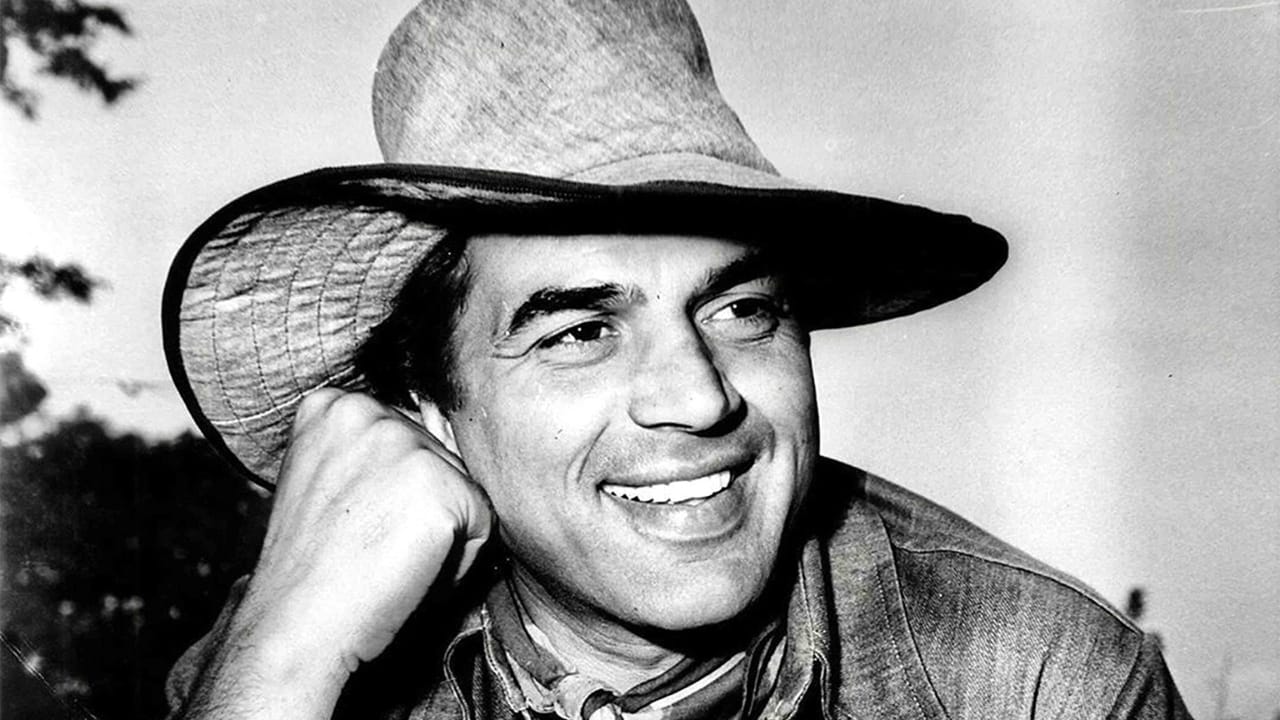
In an age where trust in leadership is eroding — from boardrooms to ballot boxes — Dharmendra, India’s “He-Man” of cinema, offers an unexpected reflection on what makes strength enduring.
Dharmendra Kewal Krishan Deol, now 89, remains one of Indian cinema’s most celebrated figures — with more than 300 films over six decades — and a study in quiet leadership. At a time when charisma was often confused with dominance, he embodied a different archetype: a leader whose power stemmed from warmth, humility, and consistency.
The paradox of power and gentleness
Dubbed the “He-Man” of Bollywood for his action-hero image, Dharmendra’s real strength lay elsewhere — in the restraint and grace that defined his off-screen persona. Unlike many of his contemporaries who thrived on larger-than-life personas, he built loyalty by being disarmingly human.
Leadership experts today might call it “psychological safety,” but Dharmendra practised it instinctively. On set, he was known for greeting crew members with the same respect as co-stars. Film critic Vijay Lokapally wrote in The Hindu that even in the 1980s, when many actors shielded themselves behind entourages, Dharmendra “remained accessible — the star who still took his tea with the lighting crew.”
This blend of humility and confidence created something leaders now struggle to inspire — trust. Gallup’s 2024 global report on workplace trust found that only 23% of employees strongly agree that their leaders are honest and transparent. In contrast, Dharmendra’s rapport with his teams was built on consistency of conduct, not hierarchy of title.
Leading through reinvention
Few Indian actors have sustained relevance across six decades. Dharmendra did so by adapting without abandoning his values. From romantic leads in the 1960s to action icons in the 1970s, and later, character roles in the 2000s, he evolved his craft but never lost his grounded identity.
When the Hindi film industry shifted towards urban multiplex narratives, Dharmendra deliberately chose smaller, mass-market productions that connected with rural and working-class audiences. As The Hindu noted in a 2016 retrospective, this was not decline but pragmatism — a conscious decision to serve a loyal audience segment ignored by newer stars.
For leaders, it’s a lesson in knowing one’s market and values. Reinvention that erases core identity risks alienating both employees and customers. Dharmendra’s adaptability was not cosmetic; it was built on clarity about what he stood for — sincerity, accessibility, and connection.
Emotional intelligence before it had a name
Dharmendra’s greatest skill may have been emotional intelligence, long before the term became corporate doctrine. He managed relationships that spanned decades — with co-actors, directors, and audiences — without spectacle. Colleagues often described him as the “bridge” on sets where tempers flared, known for defusing egos with humour rather than confrontation.
Leaders today face the same balancing act: commanding authority without intimidation. In a 2025 Deloitte survey, 68% of employees said empathy is the top quality they want in a manager, yet only 37% said they experience it at work. Dharmendra’s model of strength — one that looked like kindness — points to a gap modern leadership often ignores: the need for emotional credibility over performative toughness.
Leading across generations
Dharmendra’s career spans eras of technological and cultural upheaval. From black-and-white classics like Bandini to modern digital productions like Rocky Aur Rani Kii Prem Kahaani, he continues to collaborate with generations younger than his grandchildren. That intergenerational comfort — both giving and receiving respect — is a rare quality in leadership.
As India’s workforce becomes increasingly multigenerational, with Gen Z and millennials forming nearly two-thirds of it, the ability to connect across ages and mindsets is emerging as a critical leadership skill. Dharmendra models it naturally: curious, unthreatened by youth, and never cynical about change.
Resilience without arrogance
The actor’s longevity was not without setbacks. Between the late 1980s and early 1990s, his films often underperformed, and critics dismissed his shift to low-budget action movies. Yet he kept working, sometimes in roles far beneath his stature, without bitterness. “Work kept him anchored,” noted film journalist Subhash K. Jha in a 2023 interview, describing Dharmendra as “a man who refused to retire from relevance.”
That quiet perseverance — showing up even when the spotlight fades — reflects a principle many corporate leaders rediscovered during the pandemic: reliability over visibility. In times of uncertainty, credibility often belongs to those who continue to show up, not those who command attention.
The kindness paradox
At a time when global surveys show deep scepticism toward authority, Dharmendra’s story feels like a quiet counterpoint — proof that influence doesn’t require intimidation.
He leads not by commanding others, but by earning their affection. His is a leadership model rooted in decency — not the optics of power, but the ethics of care.
In a world crowded with voices demanding to be heard, Dharmendra’s enduring legacy reminds us that true strength, whether in leadership or life, can look a lot like kindness.