








Over the last 1800+ days, Atlassian’s employees have been
able to choose where they work from. The distributed-first
model of work has been breaking new ground, not just in how work gets done but
in how innovation is imagined. Amid a new wave of AI-led transformation, Atlassian’s commitment to remote work stands out, especially at a time when many organisations are doubling down on hybrid and office-based mode.
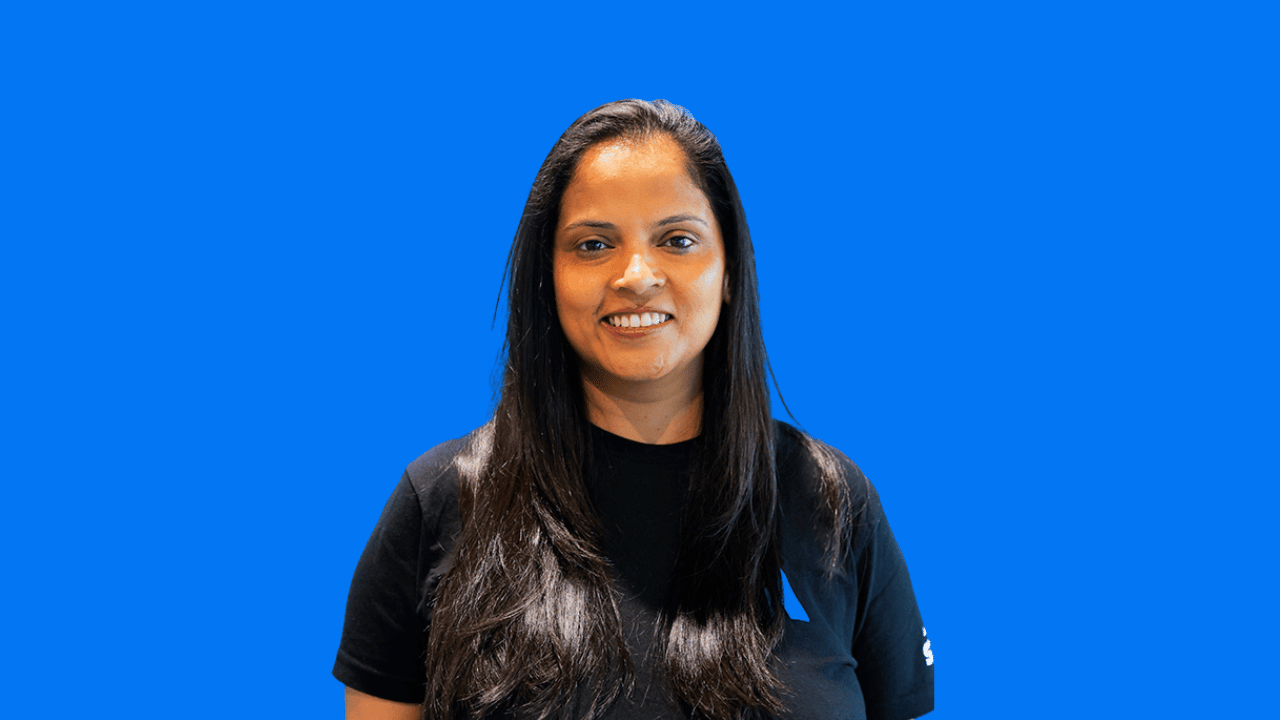
People Matters sat down for an exclusive conversation with Avani Prabhakar, Atlassian’s Chief People Officer, who was in Bengaluru for the launch of an office space. She leads the company’s People organisation across HR, Talent, Total Rewards, DEI, M&A, and the pioneering Team Anywhere program spanning 13,000 global employees.
Avani brings more than 20 years of experience across
technology, aviation, insurance, research, and analytics, having worked in Asia
Pacific, the Middle East, and the US. Her focus on distributed teams,
grassroots experimentation, and unlocking cross-functional partnerships has
made Atlassian not just an employer of choice but a blueprint for adaptive,
future-ready organisations.
Q: Atlassian’s “Team Anywhere” philosophy is distinctive: no mandatory office, distributed teams. How did this move shape company culture?
We’ve always believed the future of work is
about how, not where, teams collaborate. Atlassian was
early to the distributed, asynchronous work model, long before COVID-19 forced
the world to rethink offices and meeting schedules. We run ongoing experiments
to understand how asynchronous workflows can unlock creativity and solve
collaboration pain points.
For us, distributed work removes the biases inherent in
body-language-driven rooms and lets people speak their minds more openly. It’s
been a journey of translation, turning those beliefs into daily practices that
actually shift team culture and productivity. We’re committed to intentional
togetherness: not forcing in-person connection, but letting teams choose key
moments to gather, whether virtually or in person.
Q: Some talent leaders feel asynchronous work
means longer days and too much time on collaboration tools. What does your
research show?
We spent significant time studying how a
workday is best organised. Our findings point towards a sweet spot: about 25-30%
of the day focused on true collaboration, which sometimes means synchronous
calls, but always balanced with protected deep work time. It’s important that
meetings are purposeful; not every decision needs synchronous input.
The other chunk of the day is dedicated to thinking and innovation, no meetings, no constant chat replies. We’ve seen that excessive tool use is not inevitable; playbooks help teams orchestrate their mix of synchronous and asynchronous work, minimising calendar overload and maximising both productivity and engagement.
Q: Atlassian is known for empowering grassroots
AI innovation. How do you foster bottom-up transformation, especially in HR and
People teams?
AI transformation is not simply about new technology, it’s about cultural change.
People teams have to be at the helm, setting the tone for
learning and experimentation. We don’t mandate adoption from the top; instead,
we build communities, AI champion networks (for example, on Slack), and recognise
great use cases by bringing them to the forefront, sometimes even turning
internal agent builds into actual customer products.
A successful innovation culture is rooted in intrinsic motivation; when people feel ownership, they’re excited to create and share. Leadership must lead by example, my own agent, Angel, helps me prioritise tasks weekly, and I’m candid about this journey so others feel safe to experiment.
Q: Can you share how cultural practices help drive AI adoption and resilience in this disruptive era?
The biggest mistake is viewing AI adoption
merely through the lens of cost savings or efficiency. Sure, you’ll gain those
benefits, but you may lose the very essence and magic of AI. If an HR business
partner saves 20 hours a week by using AI, it’s not just about celebrating
saved time; it’s about what they do with those hours.
The key question is: how do you utilise freed-up time to drive strategic initiatives and create new value? Organisations that win will be those that figure out how to channel employee bandwidth into innovation, not just the reduction of headcount. Iteration is vital; keep refining ways of working and adapting as AI transforms the landscape.
Q: Atlassian’s Bangalore center is a major
milestone. What inspired your expansion in India and what sets this R&D hub
apart?
India has been at the center of Atlassian’s
growth strategy for nearly seven years. When we first started, our presence was
small, just 60 people, but today, we’ve expanded to over 2,500 employees
spanning 28 states across the country.
Our approach is fundamentally different: the India hub is not a back office but a core R&D facility, with over 75% of our workforce focused on innovation and product creation. This space is designed to host collaboration, not just work, melding Indian cultural elements, local vendors, and flexible work zones that can bring together up to a thousand colleagues for innovation sprints, hackathons, and project launches.
We chose Bangalore for its incredible talent pool and its
spirit of experimentation; the pace here matches Atlassian’s drive to
continually push boundaries.
Q: What’s unique about Atlassian’s distributed workforce in India, and how do you sustain innovation at scale?
Our distributed model sets us apart: there’s no other tech company in India with a fully distributed workforce across so many states. We have employees from Jammu & Kashmir to every other region, all working remotely and together. This expansion has been a true journey, and our commitment to distributed, asynchronous work remains strong.
We’ve largely eliminated meeting culture, saving close to
half a million meetings thanks to Loom. Written communication and knowledge
management flow through platforms like Confluence and JIRA, and our AI agent
Rojo supports team chat and search, creating a unique way of working that most
aren’t used to.
Importantly, we’ve cracked the code on virtual connection
and culture: it’s about creating shared experiences, rituals, and moments of
intentional togetherness, not proximity.
Atlassian’s India journey exemplifies how distributed, asynchronous work cultures, blended with grassroots AI innovation, can enable organisations not only to adapt but to thrive in a rapidly changing era. Their approach offers powerful lessons for leaders looking to balance efficiency with true human potential and creativity.