








On Teacher’s Day, we celebrate the educators who shaped our early years—but in the workplace, it’s managers and leaders who often play the role of mentors, coaches, and guides. As organisations grapple with burnout, disengagement, and shifting employee expectations, the ability to lead with empathy and purpose has never been more critical.
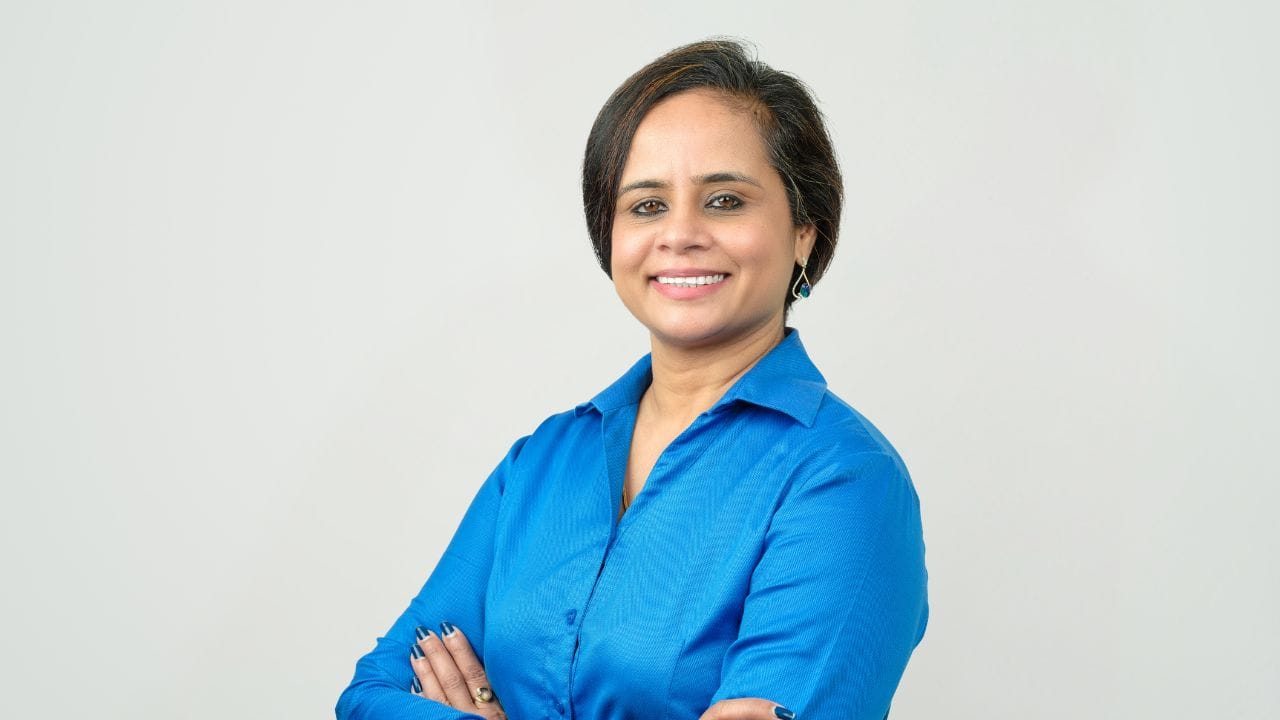
Priya M Pillai, Head of HR (Retail, Corporate & Manufacturing) at Titan Company, believes that the future of work hinges on reimagining managers not as taskmasters, but as teachers—those who nurture growth, model resilience, and foster cultures of care. In this exclusive conversation, she shares how Titan is tackling long working hours, presenteeism, and poor leave utilisation through a multi-pronged strategy rooted in trust, emotional intelligence, and structural reform.
Why India struggles with work-life balance
India recently ranked low in global work-life balance indices and is often attributed to systemic issues—but Pillai points to deeper cultural norms that subtly reward availability over outcomes.
“Many workplaces still operate with an ‘always on’ mindset,” she explains. “There’s a tendency to equate staying late with commitment, which reinforces presenteeism. It’s like rewarding rote learning over conceptual understanding.”
She also highlights the persistence of control-based management styles and traditional hierarchies, which can stifle autonomy and trust. “While steps are being taken to empower employees, the shift to trust-based models is still nascent in many organisations.”
Empowering managers as coaches: Titan’s PDCC Model
At Titan, the transformation begins with redefining performance itself. The company’s Performance Management System—called PDCC (Performance Development and Coaching Conversation)—moves away from metrics to mentorship.
“PDCC is designed to push the culture toward coaching and development,” Pillai says. “It emphasises results over hours worked, helping shift the focus from presenteeism to productivity.”
This coaching-first approach is reinforced through CREST—Titan’s Manager Promise—which equips leaders to recognise burnout, encourage boundaries, and model healthy work habits.
Manager scorecards, derived from the Heartbeat Engagement Survey, help identify areas of focus and nurture high-performing styles.
“Managers with scores below 3.7 receive targeted support, while those above are encouraged to mentor others,” Pillai adds. “It’s about building climates of authentic connection.”
Mental wellness as a curriculum: Maithri and the Mood O Meter
Titan’s investment in mental health goes beyond reactive support—it’s built into the organisation’s emotional architecture. The Maithri counseling service is integrated with Titan Sachiv, the company’s AI bot companion, making help accessible and stigma-free.
In parallel, the Mood O Meter tracks real-time sentiment across the workforce, using AI to flag negative emotions and prompt timely interventions.
“It’s not just about reacting,” Pillai says. “It’s about teaching people to care for themselves and each other. The Mood O Meter makes it easy for employees to reach out, and for leaders to stay attuned.”
Leadership by example
One of Titan’s most powerful initiatives is “It’s Okay to NOT Be Okay – A Call to Break the Silence,” where leaders share personal stories of struggle and resilience.
“When leaders open up, it gives others permission to be human,” Pillai reflects. “That’s the kind of classroom we want to build—where vulnerability is strength, and empathy is a skill.”
This transparency helps dismantle the myth of invincibility in leadership, creating space for authentic dialogue and emotional safety.
Celebrating Empathy: The Tiny Acts That Teach Big Lessons
Titan’s culture of care is reinforced through recognition programs like “Leave No One Behind,” which celebrate small but meaningful acts of inclusion and support.
“Empathy isn’t taught in a workshop,” Pillai says. “It’s modeled, celebrated, and lived. Even informal gestures—like checking in on a colleague—can reinforce the culture we want.”
Policies like the Period & Menopause Policy, Parental Care Policy, and Women’s Travel & Safety Policy reflect Titan’s commitment to diverse needs and flexible work styles. “Work From Anywhere Wednesdays” further support balance and autonomy.
The road ahead
Pillai is candid about the journey ahead. “We’re still scratching the surface,” she admits. “But every step we take—whether it’s a new policy, a coaching conversation, or a moment of vulnerability—helps us build a workplace where people can thrive.”
On this Teacher’s Day, her message is clear: the best leaders are lifelong learners, and the most impactful managers are those who teach by example.
“Empowerment isn’t a one-time intervention,” she concludes.
“It’s a mindset. And like any good teacher, a great manager knows that the real lesson is in how you show up—every single day.”