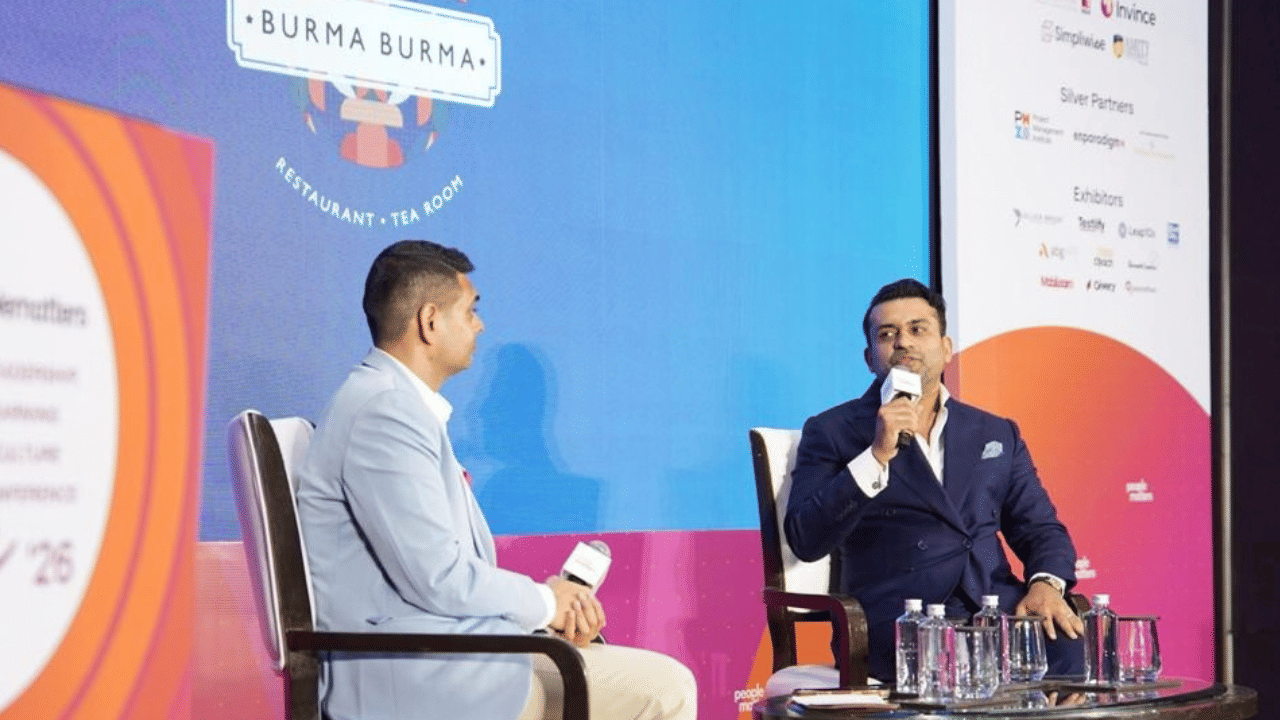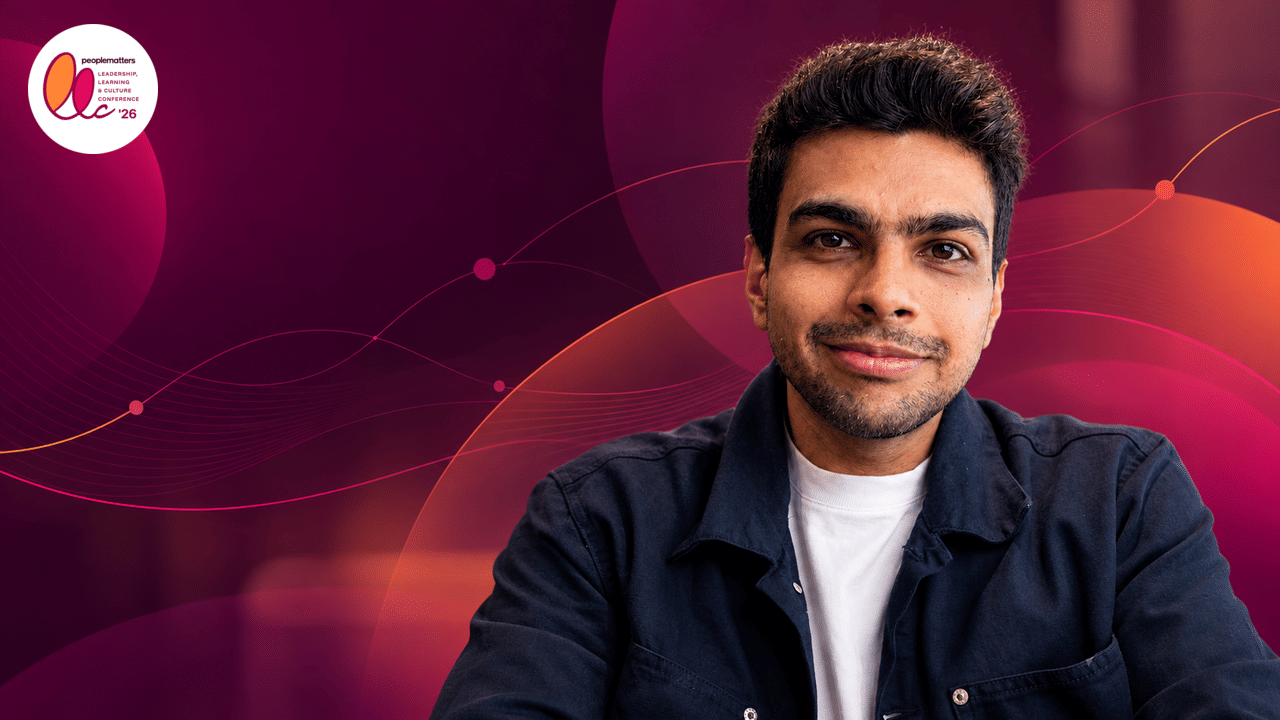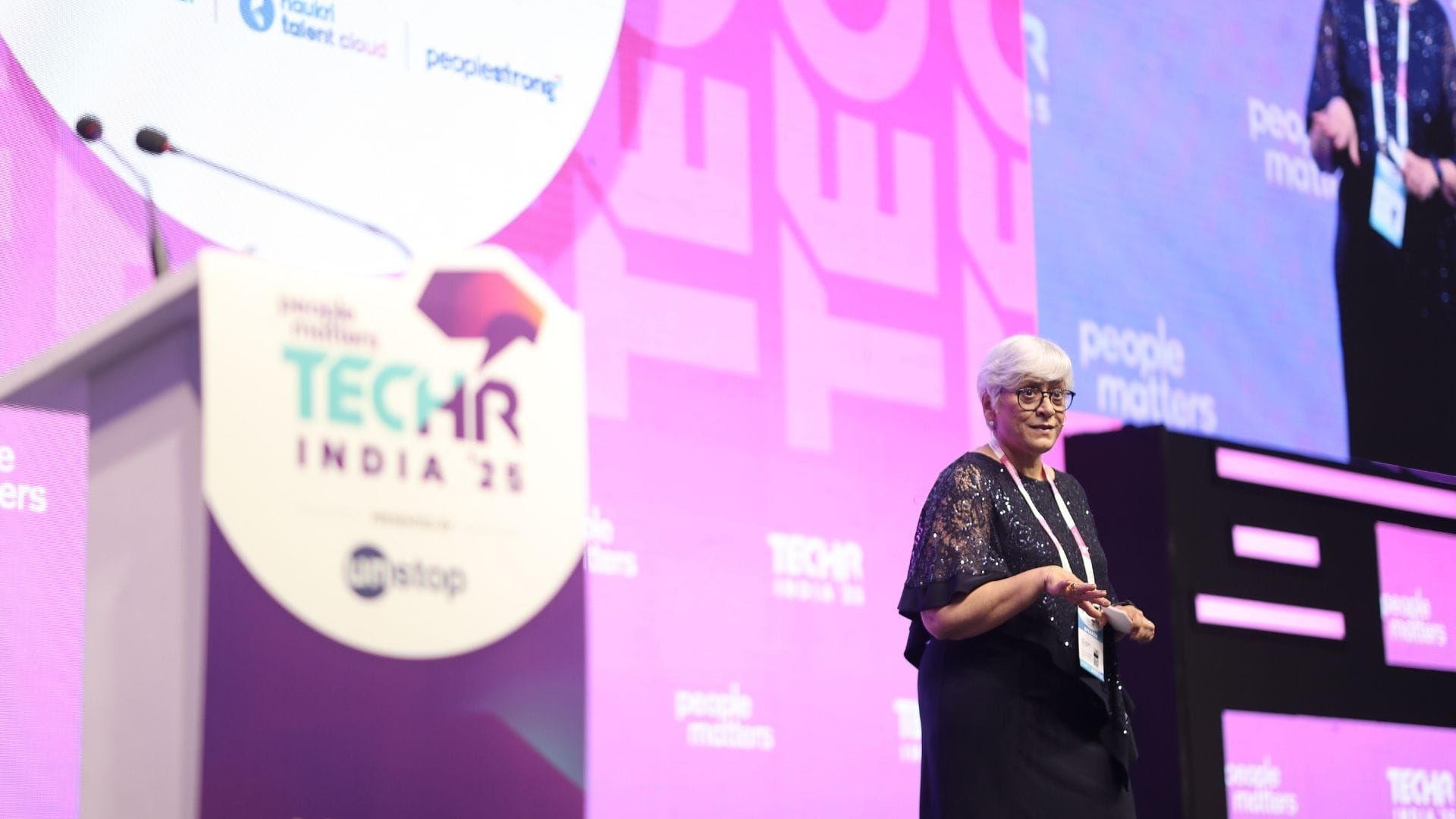
Delivering a powerful keynote at People Matters TecHR India 2025, Dr. Raju Mistry emphasised the urgent need for leaders to rethink leadership by aligning people, purpose, and performance in response to evolving workforce expectations.
Culture eats strategy for breakfast, some even say lunch, dinner, and beyond. The point is, culture has taken center stage because of its ripple effect on everything that truly matters to a business.
Three common beliefs about culture (with real life experiences):
- The first belief: HR is the custodian of culture
- The second: HR leads and guides cultural transformation
- And the third: Adopting global best practices can help you build a better culture
Picture this: you're in a boardroom meeting, and the topic of culture comes up — good culture, bad culture, toxic culture, harmonious culture… all of it. And what happens? Invariably, the eyes shift to the HR person in the room. And the unspoken expectation is: “You’re HR, so culture is your responsibility.”
How do breakthroughs happen?
When I was working with a large conglomerate, rolling out talent management processes for the first time. It was a big mandate, spanning multiple businesses and clusters. Part of this rollout included conducting assessment centers to gauge people’s potential.
HR leads and drives cultural transformation?
If we think through “transformation”, it sounds dramatic, painting a picture of radical change. The change you expect to see in one-year, two-year, or three-year programs. But, honestly, can we really transform something that’s embedded in a company’s DNA in just two or three years? The honest answer is, it's not that simple.
Culture is like a flowing river, evolving over time, and you can’t establish a dam and change its course overnight. You have to work with the flow, guide it gently, and nudge it in the right direction.
Therefore, we need to be careful with the ideas of instant “transformation”, because what evolves, stays. What’s forced, rarely does.
How real change happens?
About 25-30 years ago, computers weren’t common, and offices had those bulky desktops, and very few of them. In one of my previous companies, there was a union for the staff, where members of the corporate office could leave at 4:45 PM, but management at 5:45 PM.
That’s how real cultural shifts happen, not through flashy transformation programs, but through small, consistent actions that people experience and embrace over time. Culture is an accumulation of such stories.
Best practices are the holy grail of building culture?
We’ve all been searching for “best practices” that we can adopt. But my perspective is, best practices are often best left unpracticed.
Instead of best practices, what we need is next practices — ideas that are born from within, evolved through experimentation, and tailored to our context.
For example, in FMCG sales, we expect salespeople to be extroverts, the classic image of someone outgoing, loud, always chasing numbers.