Fast growth can have a serious damage on startup’s culture, and especially, when this growth is complemented by the ongoing chaos in a pandemic stricken world, the core cultural values are bound to be shaken. How can business leaders and founders in such a crisis, lead a cultural change that ensures business excellence and drives employee engagement?
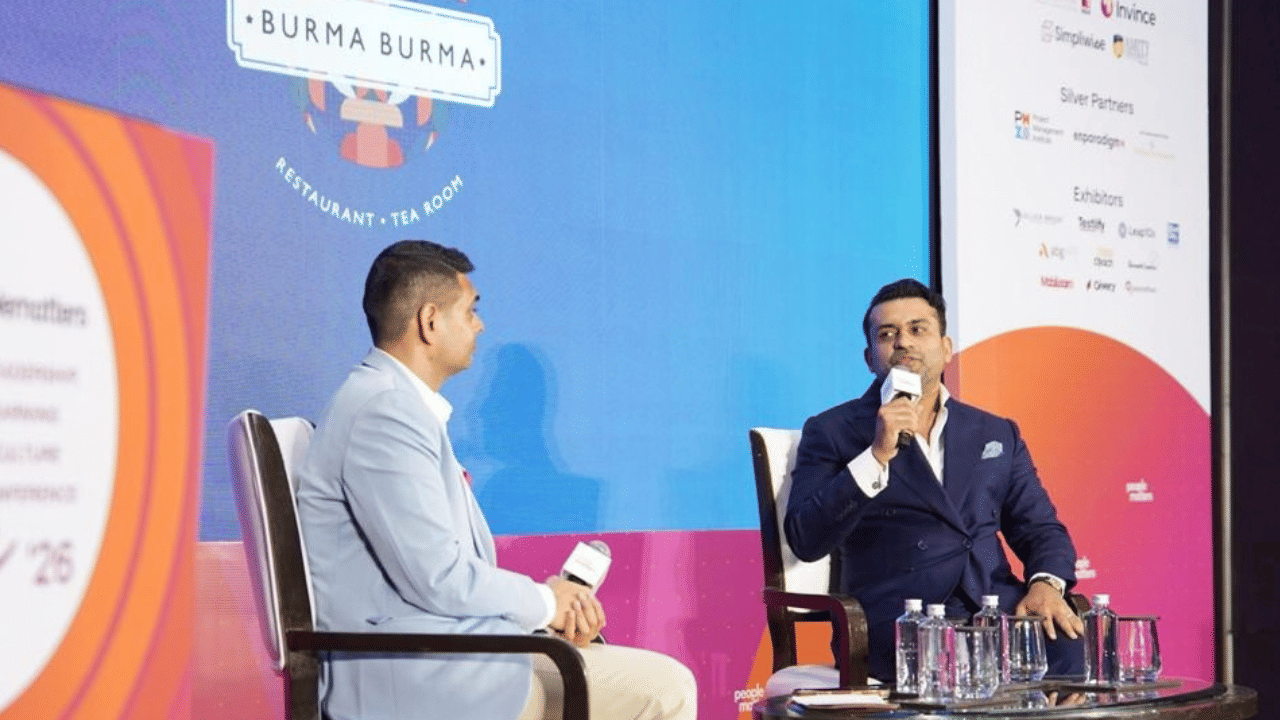
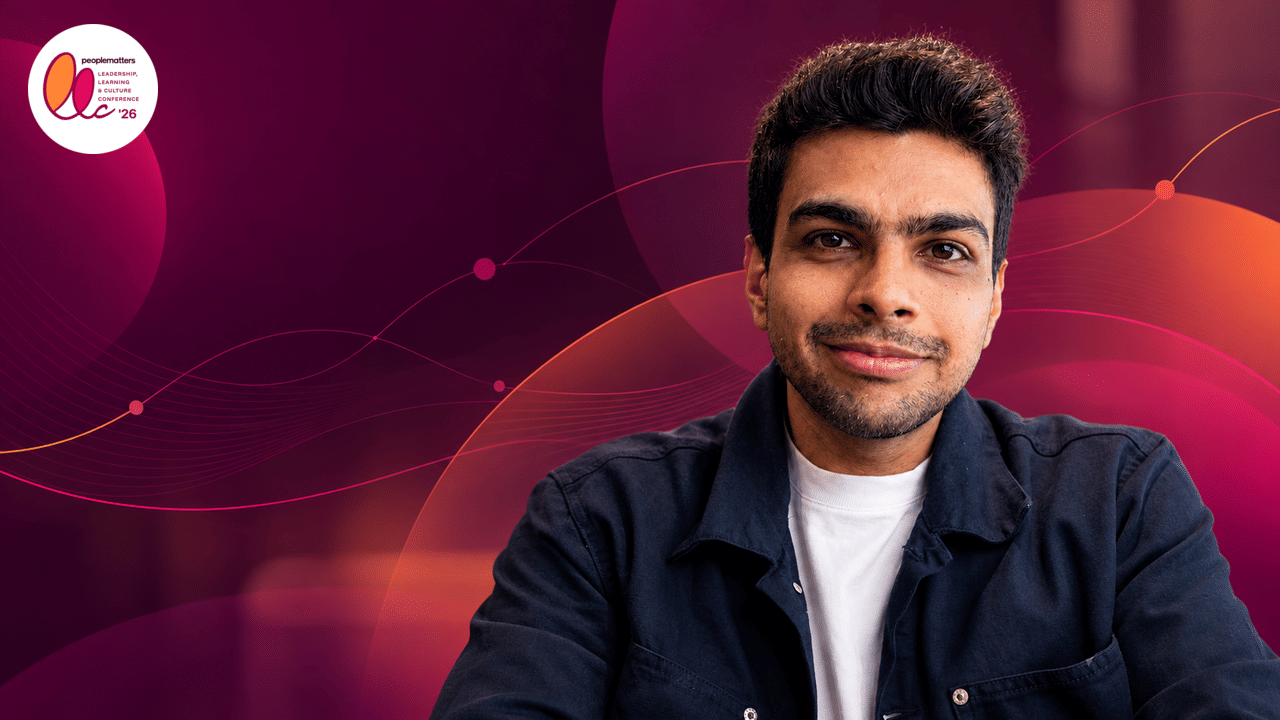
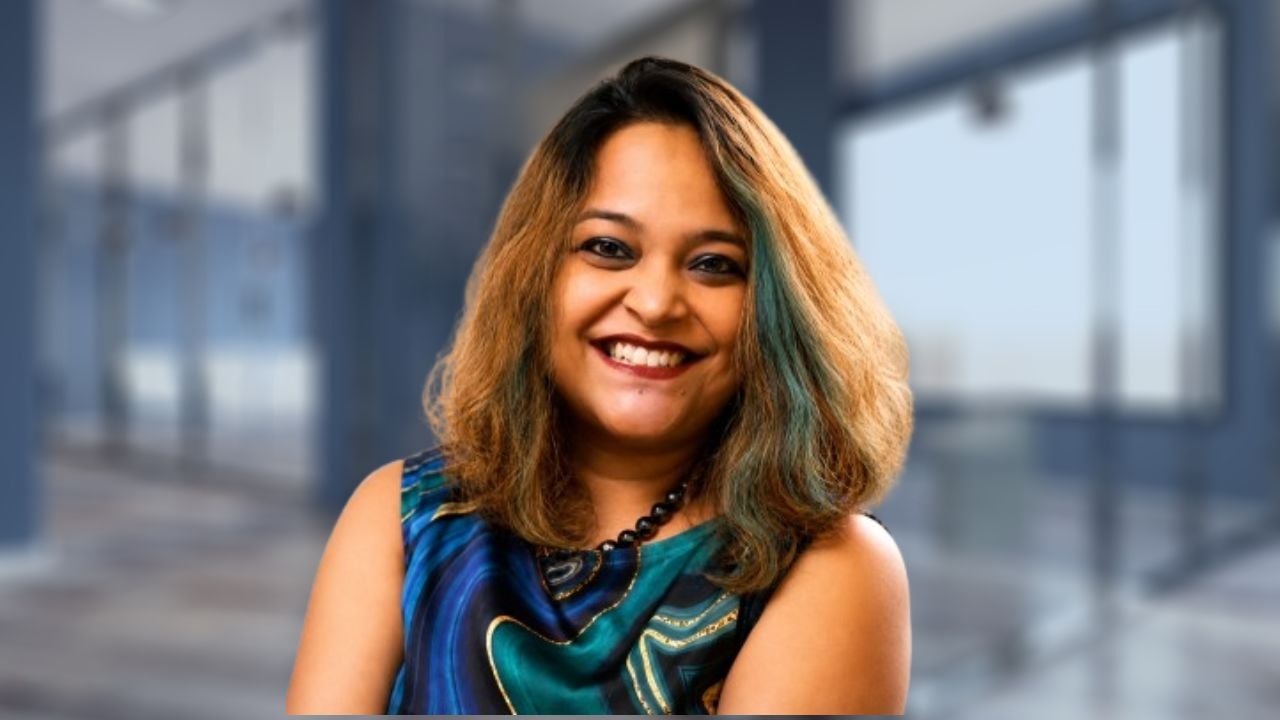
In a recent interaction with Siddharth Mehta, CEO and MD, Freecharge, we discussed the pertinent question of leading a fast-growing company amid crisis and solidifying shared beliefs among distributed workforce.
With the world of work undergoing tremendous changes, how can fast-growing companies revamp their work culture in line with their core values?
Four core values (Customer Centricity, Transparency, Teamwork, Ownership and Ethics) should be at the heart of everything companies do. That’s what has been working for us at Freecharge.
While we understand that change is the only constant in today’s times, it is important to not lose focus on who we are and what we stand for. We have taken substantial efforts to continue to align our culture in line with our values.
The two pronged approach that has helped us:
- Active Communication - Enable two-way communication at multiple levels for each of the team members. Leaders, Managers & a cross-functional task force help everyone to connect with employees regularly and hear them out.
- Celebrating Stories – Ensure that each employee story, resonating to the company’s values, is celebrated, and shared across the organization. It serves as an inspiration for everyone to stay connected and aligned with the values. E.g. – One of our series called ‘Pens Down, Hearts Together’ encourages everyone to connect and share positive stories around our values, exhibited by them or their team members. The best stories are called out and recognized.
As employers plan the return to office, experts predict what they call 'the great resignation'. The working professionals are choosing companies who offer more flexibility over others. What's your take?
We believe that the future of the workplace is hybrid. Employers will have to find a way to balance the employee need for flexibility in choosing their place of work, with the organizational need to foster collaboration and innovation by encouraging employees to work in a common space.
We are also going ahead with a hybrid / flexible work culture. We will be moving to a structure where in the future, at any point in time, only a fixed percentage (60-70%) of the employees will be operating from our offices. We have also started expanding our talent base by now hiring employees who are geographically based outside our office locations.
How can leaders build a culture of engagement, ownership, and accountability among the workforce?
To drive more engagement and build a culture of ownership leaders have to start by listening to their employees' needs, perceptions and challenges.
- For better engagement: The first step is to understand where we stand on various attributes at work and what can be done to improve on them. At Freecharge, we conduct regular employee surveys to gauge employee’s perception. Based on their inputs, we continue to design interventions which will help us improve around these areas.
- For Ownership & accountability: Leverage Objective and Transparent Goal Setting. We have introduced Objectives and key results (OKRs) framework for managers to improve our culture of accountability & ownership. Every employee understands the cross-functional linkages, their scope of control and the expected outcomes.
How are you using technology to create more productive workplaces, aligned teams, deeper connections, and drive better business outcomes?
Last year, the pandemic forced us to revisit all our processes, and make them virtual by leveraging digital technology. With these process changes, we saw an improvement in employee participation in a lot of areas such as daily standups, employee engagement activities, knowledge sharing sessions, town halls etc.
Today, we regularly leverage our HRMS to conduct virtual engagement activities including contests and photo sharing competitions, to break monotony and foster collaboration even outside of work. We also encourage informal virtual team sessions so that the teams feel connected. All managers are encouraged to have regular virtual team meetings, so that the entire team is aligned about the recent work related updates.
Earlier, the location of an employee was an important driver in encouraging workplace connections. However, today our employees are working remotely from all corners of India, while this poses a challenge from an employee engagement perspective especially for new employees, we are ensuring & encouraging that there is continuous interaction with the employee, across the organization, with their leaders, teams and even HR.
As a leader, how do you ensure that you drive a cultural change yet keep reinforcing your core value amid all the chaos?
During these times, we as leaders need to communicate our expectations more openly to the employees, since the non-verbal aspects of culture, which were easier to pick-up in the office during pre-Covid times, are difficult to catch now.
Another important aspect which we as leaders need to ensure is that we must ‘walk the talk’. For example, when we had opened our office last year on a voluntary basis for employees, we ensured that someone from our senior leadership team was also present in the office every day. We also encouraged our leaders to have non-work catch-up sessions with their teams to ensure the employees feel connected with the leaders and the organization.
Apart from these, I strongly believe that empathetic listening and creating transparency in communication is critical to build employee trust, without which no cultural change is possible.