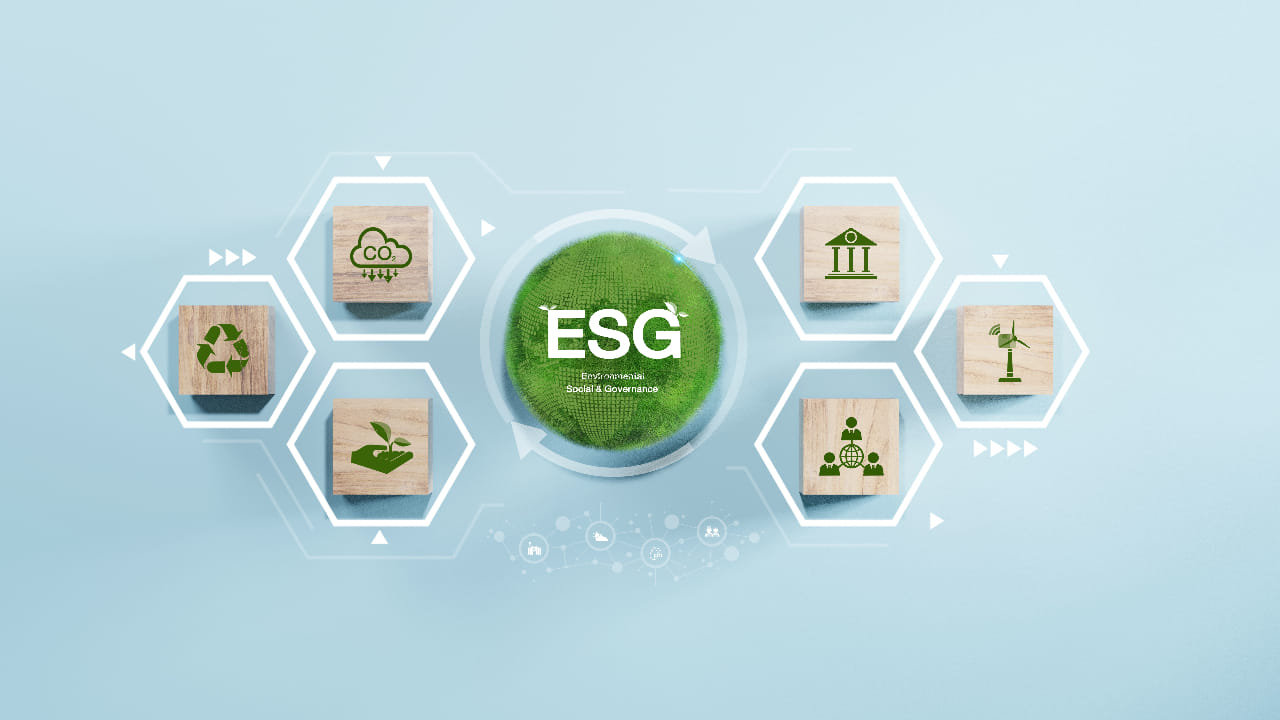
In a modern workplace scenario, there is a new paradigm that is shaping the way today’s workplaces will behave and operate. As ESG (Environmental, Social, and Governance) increasingly becomes pivotal to business strategy, a company’s Employee Value Proposition (EVP) is getting heavily dependent on its ESG strategies, deciding how attractive the place is for employees.
With ESG evolving from a reporting framework into a holistic business philosophy, employees are weighing how a particular company responds to social and environmental issues before taking the plunge, because employees are increasingly becoming values- and purpose-driven: over 70 per cent of professionals seek employers that align with social and environmental responsibility, while 60 per cent give preference to purpose over their CTC. They are prioritising employers with strong ESG commitments and looking at HR to incorporate ESG initiatives into benefit packages and employee programmes.
With human capital management emerging as a new concept to evaluate companies, many investors and stakeholders, particularly in the start-up ecosystem apart from larger companies, are now analysing how companies manage their human capital, with particular emphasis on areas like training and development, pay equity, and diversity—the social part of ESG—and areas where HR has a major role to play.
This has forced a major change in focus in the role of HR in companies, which is no longer a support function; it is a catalyst for sustainable transformation and a strategic enabler of ESG, because HR is where ESG principles translate into daily practice. In a modern context, ESG is not a checklist—it is a mindset, which is led and nurtured by HR.
The entire hiring paradigm is changing. ESG is being embedded by HR into the hiring process by highlighting the company's efforts in sustainability, social responsibility, and ethical practices. This is being done through employer branding, recruitment materials, and interviews to attract talent, especially the younger generations.
As new areas of concern are surfacing, newer ESG strategies are getting built into HR practices. Mental health and well-being, feel-good add-ons so far, are becoming essential pillars of ESG. This is because eight in ten employees are reporting heightened stress and burnout, mandating well-being to be embedded into ESG strategy through robust mental health support, flexible work models, equitable career progression, and green and ethical upskilling opportunities. For this, HR has to provide inclusive mental health resources and offer a flexible work system to ensure work-life balance.
With green skilling becoming an essential part of ESG, some forward-looking employers are merging CSR with learning and development, empowering employees as active agents of impact through ESG literacy and green skilling. To align with this, new practices like paperless processes, remote work (to reduce carbon footprint), and sustainable office practices like recycling, apart from eco-friendly employee benefits, are being introduced.
This new trend of HR aligning CSR with employee engagement and growth is integrating ESG programmes into companies’ culture and helping engage employees more meaningfully, which is resulting in increased loyalty, job satisfaction and retention as CSR initiatives give workers an avenue to get trained in skills that are not part of their daily job routine. In essence, an employer with a robust CSR identity will have a higher EVP and attract better and more evolved employees.
This is also changing the definition of success and how it is measured. Modern HR is transforming from traditional performance reviews and attrition statistics to metrics that prioritise cultural health, inclusion outcomes, and alignment with organisational purpose.
A new rising trend is that of Diversity, Equity, and Inclusion (DEI), which is an essential element of the social aspect of ESG. There is a crucial connection between DEI and ESG because when companies adopt diversity, equity, and inclusion, they drive innovation, strengthen social responsibility, and improve governance. And this directly becomes the responsibility of HR.
The integration of ESG into HR practices is no longer a good-to-have strategy or just a trend. It is a fundamental shift in a company’s behaviour. It is more people-centric and creates a more meaningful role for employees that goes beyond just the company to create value not only for the company but also for the larger society. With ESG initiatives built in, HR will have to adopt a proactive approach to create an environment for a more holistic development of the employees, which will contribute to the company’s success and also make them more principled and responsible for all.
About the Author:
Mr. Prashant Mathur is the Chief Executive Officer at Saatvik Green Energy. With extensive experience in driving sustainable business practices, he is passionate about integrating ESG principles into organisational strategy and HR practices to create purpose-driven workplaces that prioritize people, planet, and performance.