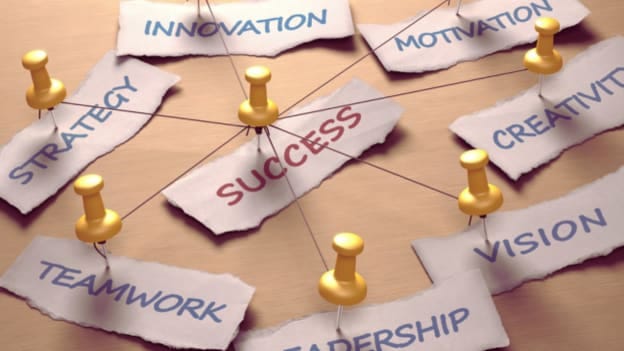
For every 50 new employees recruited by any organization, at least five are ‘leadership material’, implying they have the potential to take on critical leadership roles in the future. However, nurturing these ‘high potential’ candidates, molding them into leadership roles and ensuring they stick with the organization long enough to actually step into positions of command is a key challenge. In fact, organizations across the globe are currently deliberating this critical question of what is the best way to prepare a pipeline of potential leaders ready to take on leadership roles, whenever required.
For any organization, it is a huge asset to have a ready pool of next-generation leaders who have risen up the ranks within and understand the organizational mission, vision and culture inside out. This is particularly relevant for the age of information revolution when industries are going through radical changes. It is not enough to try to keep your high performers motivated through regular professional challenges and pleasing performance appraisals. Nurturing the next generation leadership requires a dedicated approach with long-term vision and comprehensive programs to achieve the same. Leadership roles often fall vacant unexpectedly – a company might suddenly witness a flight of top executives; a critically important manager might suddenly face a serious illness; another may decide to seek premature retirement! Hiring managers from outside is always a possibility but it often creates cultural clashes. Leaders cannot be created in a day; it, therefore, pays to have a select few individuals who are already equipped to slip into these positions effortlessly. Organizations should, therefore, be obsessed with the idea of a leadership pipeline building, much like they are consumed by the need for increasing output and efficiency.
Leaders must experience everything
One of the most important aspects of preparing a leader for tomorrow is to ensure he has had a fair exposure to the entire work chain of the organization. In a nutshell, they must have had working experience in departments even outside their core area of work. Most companies promote their high performers in their chosen area of work, but fail to pull them out of their comfort zone at regular intervals and assign them responsibilities beyond their specialization. Apart from lack of long term vision, there are functional difficulties that prevent this line of action in the hectic daily schedules of work. It often seems to be a luxury to relieve high performing employees from their core jobs and make them do something they haven’t done, especially when these high performers play crucial roles in meeting your daily targets.
Most of the time organizations are not ready to get their employees out of their departments. So they keep expanding the scope of their work but not the breath of their exposure. However, to be ready for leadership, you have to handle more than one function. A functional rotation policy is therefore a must to churn out future ready leaders. Long term vision must take precedence here over every day functions, and an applicable policy of rotation of work must be implemented.
Invest in them big time
If you want to groom a select few employees with the long term vision of them taking up the top executive roles at your organization, you must also be ready to invest in them big time -- both with monetary and non-monetary inputs. Investing in their education to re-skill or upskill their abilities in one area where some organizations support their workforces is a good idea. Executive MBAs are one example of such initiatives. However, it is important to underline that formal study constitutes only 10 per cent of learning, while as much as 70 per cent is learnt on the job and another 20 per cent through the right mentoring and coaching. There has to be in place a well-planned design in every organization to offer this comprehensive learning.
At Sun Life Financial, we run a coaching program for our potential leaders. We also train managerial level employees at regular intervals to improve their managerial skills. More importantly, these training programs take into account their different abilities of the high performers. This allows us to polish and build their leadership skills at a regular pace even as they keep gaining experience on the job.
Create new learning experiences
Fostering a culture of creativity is another critical intervention an organization needs to undertake. This must include learning experiences that allow and encourage employees to do things differently. For example, if an employee has a new and seemingly maverick take on problem solving, it must be encouraged and put into action, even at the risk of failing because by allowing this freedom of developing new creative approaches you are also encouraging a new creative energy. Unfortunately, with most employees and managers buried up to their necks in the here and now of things, this creative freedom takes a backseat. It also prevents them from going out and doing something different and innovative for the organization. One of Google's famous work ideas included what was referred to as the "20% time" under which employees were encouraged to spend 20 percent of their work time outside their regular projects. This was aimed at fostering a culture of creativity and innovation. However, for this to happen, the organization must ensure that employees are in practice allowed some time to experiment their way out in creating new out-of-the-box solutions.
Organizations and managers must, therefore, take the onus of creating these experiences for employees.
The ability of an organization to groom prospective leaders depends on promoting an ecosystem that focuses on leadership development. A comprehensive multi-pronged strategy that helps ingrain employees with confidence provides conducive environments for their growth and development, and nurtures the leader in them.