








For many organisations, 2025 was the year the cracks finally showed. Despite a proliferation of wellness apps, workshops and helplines, employee fatigue deepened, stress hardened into disengagement, and managers struggled to absorb mounting pressure from both directions.
As companies look to 2026, the conversation around emotional wellbeing is shifting decisively — away from programmes and towards the fundamentals of how work is structured, led and measured.
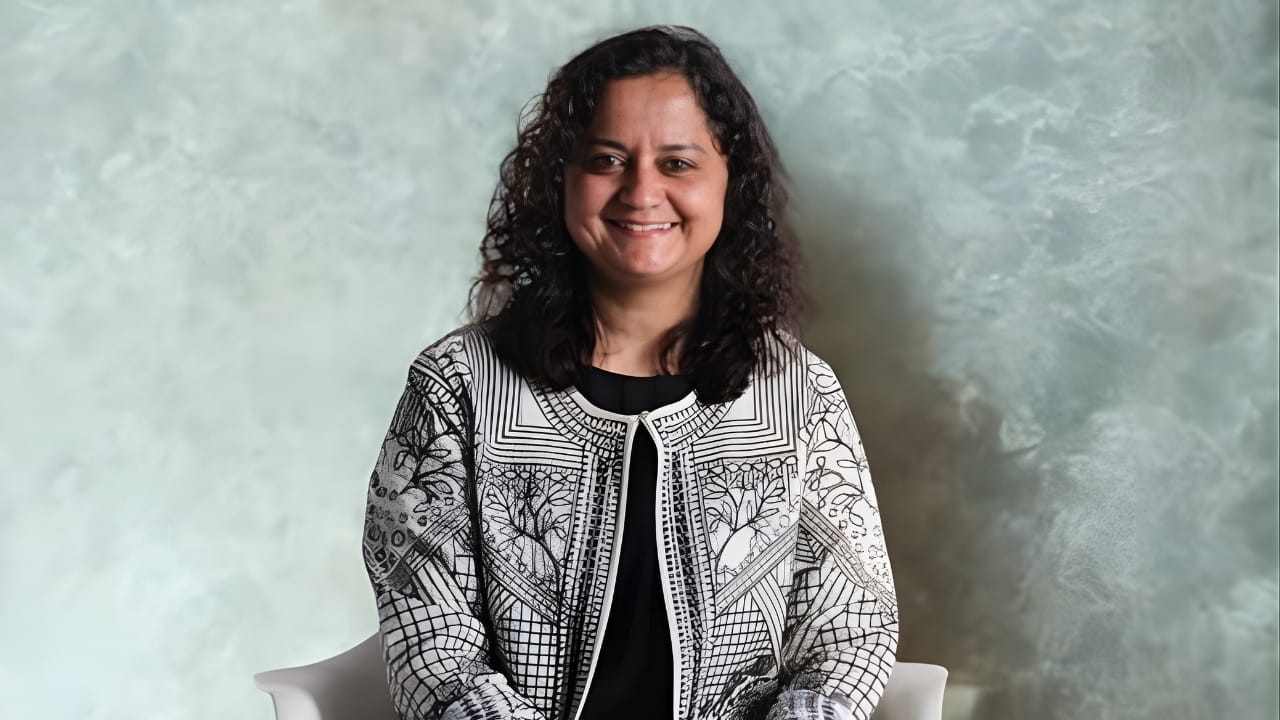
Bhavya Misra, CHRO of Godrej Capital, said the turbulence of the past year has forced organisations to confront an uncomfortable reality. “In 2026, organisations are expected to take a more practical and structured approach to emotional wellbeing,” she said, pointing to labour reform signals that place “stronger emphasis on employee physical and mental wellbeing”.
The change, she suggested, is less about intent and more about honesty — about recognising that many of the fixes leaned on in recent years did not address the real sources of strain.
When wellness became cosmetic
By 2025, wellbeing had become ubiquitous in corporate vocabulary. Yet much of it operated in parallel to the actual experience of work. “Instead of relying mainly on standalone wellness activities, employers may focus on improving the way work itself is designed,” Misra said.
That redesign is likely to centre on issues employees have quietly flagged for years: unrealistic workloads, blurred boundaries, vague performance expectations and constant urgency. Misra pointed to “more realistic workload planning, reasonable work hours, clearer expectations through well-defined performance indicators, and more predictable routines” as areas organisations are now being forced to confront.
In effect, the failure of surface-level wellbeing has exposed a deeper design flaw: organisations attempted to soothe stress without reducing it.
Trust replaces control
One of the clearest shifts Misra anticipates in 2026 is a move towards trust-led policies — not as cultural statements, but as operational choices. “As organisations rethink the fundamentals of how people work, trust-led policies such as caregiver leave and uncapped sick leave, already seen at Godrej Capital, are strong examples of models that genuinely support individuals through various life stages,” she said.
The emphasis here is not generosity, but realism. As workforces age, diversify and shoulder caregiving responsibilities, rigid policies increasingly fail to reflect how people actually live.
If wellbeing once lived in the realm of choice, Misra expects 2026 to harden expectations. “In 2026, three wellbeing priorities are likely to become non-negotiable for most organisations,” she said.
The first is predictability. “Predictable flexibility and defined work hours, rather than ad-hoc exceptions – clear norms on when people are expected to be available and when they can truly switch off.”
The second is psychological safety. “Psychological safety so employees feel comfortable speaking up about stress, workload or mistakes without fear of stigma or penalty,” Misra said, adding that this will require “better manager capability and visible support from leadership”.
The third is financial resilience. Misra described it as “a core part of wellbeing”, with employers expected to help employees navigate rising costs, debt and long-term security “through guidance and tools”.
These priorities reflect a shift from symbolic wellbeing to structural support — from asking employees to cope better, to asking organisations to stress less.
Inclusion as baseline, not badge
Misra also drew a clear line under how inclusion is evolving. “Inclusion will continue to be a baseline expectation rather than a differentiator,” she said, pointing to employee resource groups for women, LGBTQ+ colleagues and persons with disabilities as mechanisms that “help anchor safe and representative workplaces”.
The implication is stark: inclusion is no longer a signal of progressiveness, but a minimum condition for credibility.
The failures of 2025 have also reshaped what employees are willing to accept. “Employee expectations around wellbeing are likely to rise in 2026,” Misra said, with many expecting employers to remove sources of stress rather than merely respond to them.
“Flexibility, once considered a benefit, could become a baseline expectation, particularly in roles with fluctuating intensity,” she added.
Younger employees, Misra noted, are especially attuned to cultural cues. They increasingly look for workplaces that “show empathy, normalise mental health conversations and provide inclusive communities”.
Managers step into the spotlight
As wellbeing becomes embedded in day-to-day work, the role of managers expands sharply. “In 2026, managers may become even more central to emotional wellbeing outcomes,” Misra said.
That centrality brings risk. Without support, managers can become pressure points rather than buffers. Misra said organisations may need to invest in training managers in “early burnout detection, empathetic communication and workload management”.
Crucially, she also highlighted a growing recognition that managers themselves are under strain. “We could also see a stronger push for manager wellbeing, recognising that healthy leaders build healthy teams,” she said. Clear frameworks, guidelines and coaching, she added, will be essential.
If 2026 marks a reset, it also demands letting go. “Companies may move away from fragmented wellbeing activities that do not address core issues,” Misra said. “Occasional workshops or surface level initiatives may lose relevance.”
In their place, organisations are likely to scale systemic approaches — policies and practices grounded in the practical realities of employees’ lives, rather than aspirational messaging.
A test of leadership credibility
For leadership teams, the early months of 2026 may prove decisive. “Leadership teams may need to prioritise trust-building, transparent communication, and fostering an inclusive culture,” Misra said.
In an environment of ongoing uncertainty, employees are looking for clarity more than comfort. “Focusing on defined work hours, physical health initiatives, and investing in manager capability, alongside strengthening mental and financial wellbeing programmes, could become key differentiators,” she said.
After a year in which many wellbeing fixes failed quietly, 2026 is shaping up as a test of organisational seriousness. Not of how much companies say about emotional wellbeing — but of how far they are willing to redesign work itself.