








Is well-being the new growth engine for business success?
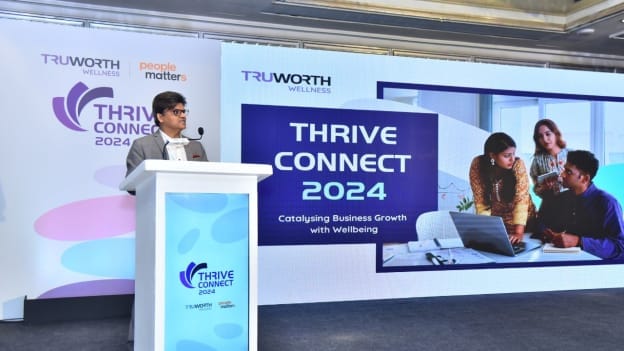
Recent research highlights the powerful link between well-being and performance. However, a significant portion of employees report experiencing high levels of burnout. This contradiction calls for a more holistic approach to addressing well-being - spanning physical, mental, social, and spiritual aspects. Cultivating work environments to alleviate burnout, amplify engagement, and drive business growth is the need of the hour. This theme took centre stage at Thrive Connect 2024, which explored a vital question: How can employee well-being fuel innovation, boost productivity, and ensure sustainable growth?
The event explored critical challenges around employee well-being and witnessed leaders deliver actionable strategies to combat them. From incorporating well-being into the corporate strategy to recognising it as a business imperative, Thrive Connect 2024 offered insights into the best practices that can drive business success to new heights.
Coinciding with the event, a report titled "Building a Thriving Workforce: The Future of Employee Well-being" by Truworth Wellness and People Matters shed light on the priorities of companies in the year ahead. According to the report, 66% of organizations plan to prioritize employee engagement, 60% will focus on enhancing productivity, and 57% are setting their sights on leadership development. Recognising and rewarding high-performing employees emerged as one of the top strategies for boosting productivity.
At Thrive Connect 2024, organised by Truworth Wellness and People Matters, HR leaders gathered to explore the intersection of well-being and business success. From engaging keynotes to insightful panel discussions, the event emphasised the critical role of workplace well-being in driving innovation and long-term performance. Business decision-makers shared practical strategies on topics such as using metrics to evaluate well-being initiatives, building resilient workplaces, and fostering a healthy work-life balance.
Here are some key takeaways from the event:
Clarity, context and connect
Opening with a welcome note, Pushkaraj Bidwai, CEO of People Matters, set the stage by introducing Richard Thaler’s Nudge Theory, which illustrates how small, well-timed nudges can shape behaviour. Pushkar highlighted examples of these nudges, such as Volkswagen’s piano-shaped staircase, which increased stair usage by 66%. He emphasised how these subtle prompts can influence employee behaviours, boosting productivity and enhancing overall well-being.
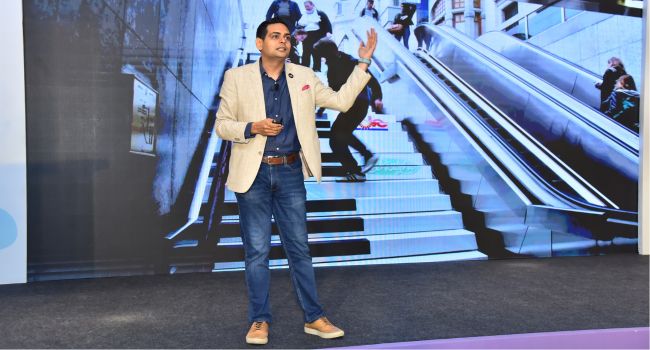
Following Pushkar’s thought-provoking address, Rajesh Mundra, Founder and Executive Chairman of Truworth Wellness, delivered a compelling keynote session. He highlighted the importance of prioritising holistic well-being as a moral and strategic business necessity.
Rajesh also underscored the challenges faced by wellness programs, from the stigma surrounding mental health to the low impact of high-cost initiatives. He stressed the need to restructure benefits to increase health check-ups and integrate wellness data into risk management systems for better outcomes.
Next, Khurshed Dordi, MD and Group COO of Deutsche Bank took the stage to explore how employee well-being drives organisational growth. Focusing on leadership and work-life balance, Khurshed emphasised that leaders must "walk the talk" by setting clear boundaries, such as avoiding work-related emails after hours. He highlighted the evolving approach to wellness programs, which now aim to create an environment where employees can truly thrive and flourish.
Metrics that matter
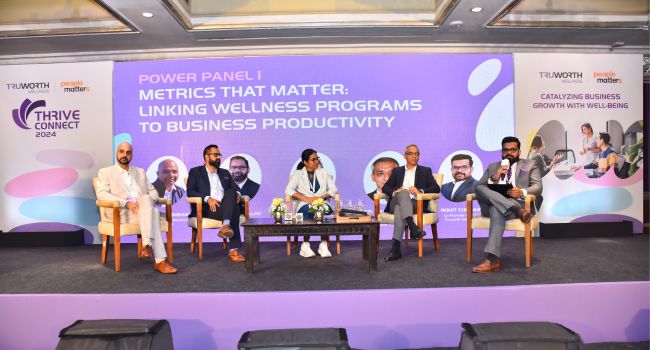
The first panel discussion of the day was on the theme “Metrics that Matter: Linking Wellness Programs to Business Productivity” and was moderated by Rohit Chohan, Co-Founder & CEO of Truworth Wellness and featured Vaibhav Singhal, Director of Global Benefits at PayPal, Sumeet Pallav, VP at Prudent Insurance Brokers, Reshma Jacob Elizabeth, Sr. VP Head Performance & Rewards at HSBC, and Dr Rahul Kalia, Head of Health, Wellness and Medical Services at Bosch India, highlighted the importance of tracking wellness metrics and their impact on business performance. With an increasing focus on demonstrating the ROI of wellness programs, the discussion centered on outcomes like improved productivity and reduced healthcare costs. Key takeaways include:
- Introduce Preventive Health Measures: Organizations should monitor employee participation rates in preventive healthcare programs to assess engagement and program effectiveness.
- Monitor Repeat Usage: Tracking the repeated use of well-being services can offer valuable insights. A lack of return participation suggests the need for program refinement and the development of more sustainable initiatives.
- Align Data-Driven Metrics: Leveraging digital and in-person wellness data to track improvements in mental and emotional health enables better decision-making through informed metrics.
- Think Long-Term Strategy: Wellness strategies should not be seen as quick fixes but as preventive measures, with success measured beyond financial metrics.
Building resilient workplace cultures
The next panel on the theme “Building Resilient Workplace Cultures: The Key to Holistic Employee Well-being” focused on the growing consensus that creating resilient workplaces requires a holistic approach that integrates emotional intelligence, tech-driven solutions, and empathetic leadership. Pushkaraj Bidwai, Rajesh Mundra, Khurshed Dordi, Santosh Bayaluseeme Raghunath, Director HR at NTT Data, Kanupriya Gupta, International Rewards Head at Intel, and Varadharaju Janardhanan, VP HR at Flipkart shared their insights on how organisations can cultivate resilience in today’s dynamic work environments. Key takeaways include:
- Acknowledge Personal Challenges: Recognising and supporting employees who face personal difficulties is a key element in building workplace resilience.
- Align the Role of Leadership: Leaders play a crucial role in fostering a value-driven, thriving workplace. Business growth depends not just on wellness strategies but on the underlying organisational culture.
- Empower and Encourage Ownership: Empowering employees to take ownership fosters responsibility and engagement, enhancing their well-being. A supportive and accountable workplace is essential for improving employee well-being and driving business success.
Building a Thriving Workforce - launching the wellness report
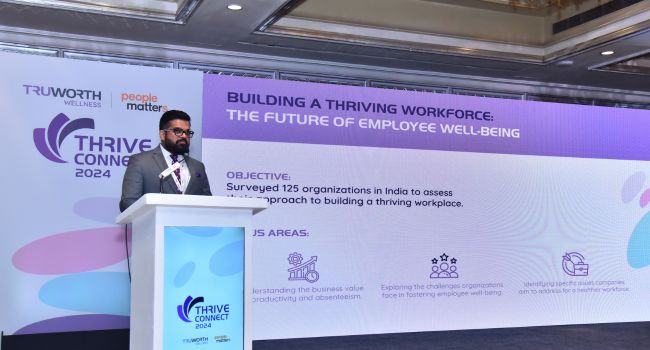
Rohit Chohan took the stage to launch the wellness report, Building a Thriving Workforce: The Future of Employee Well-being, a dipstick study conducted by Truworth Wellness and People Matters. He highlighted the key areas that form the core of the report:
- On Absenteeism: There is an increasing focus on absenteeism and its impact on both employee well-being and related costs. Around 61% of companies consider absenteeism “Extremely Significant.” The estimated cost of absenteeism goes up to ₹3000 - ₹5,000 per employee per day for around 20% of employers.
- Redefining preventive health screening: Annual screening services are provided by nearly 65% of companies, while a mere 13% prioritise prevention as the core aspect of their wellness programs. Due to rising demand, health screening processes must be revamped to better address employees' health needs.
- Bridging the engagement gap: Analysing the utilisation of wellness programs is essential for identifying successful initiatives and bridging the gap between tracking employee satisfaction and understanding it. Around 61% of employers say that the most successful strategy for boosting participation in wellness programs is leadership-driven.
- Augmenting engagement assessments: Close to 89% of companies focusing on improving engagement perceive productivity as their top priority. Companies that frequently measure productivity emphasise the need for regular engagement assessments.
Elevating experience: work-life balance & a path to greater engagement
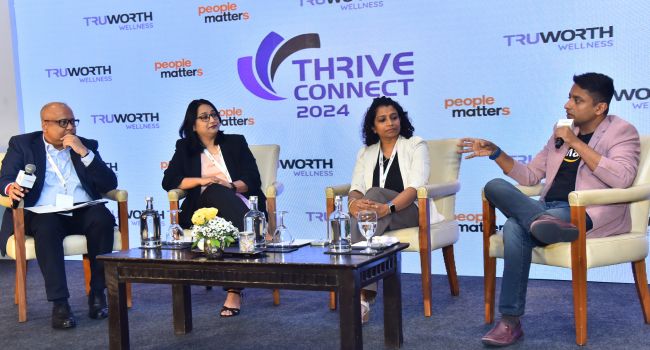
After the report launch, a compelling panel on “Elevating Experience: Work-Life Balance & A Path to Greater Engagement” explored the evolving nature of work-life balance and how organisations address it amidst ongoing challenges. Moderator Dhiraj Agarwal, Co-Founder & COO of Truworth Wellness, set the context by explaining that work-life balance is more about mindset than rigid structures, with mental adjustment being key to achieving balance. Monica Prasad, Director of Global Compensation at Dell, Shantanu Chakraborty, Director of HR People Experience & Technology at Amazon, and Puja Rungta Agarwal, Director of Corp. HR Compensation & Benefits at Happiest Minds, shared actionable insights.
The panel discussed how the blurring boundaries between personal and professional life require a flexible work culture. Leaders play a crucial role by modelling healthy practices, such as taking time off and rejuvenating, which in turn promotes engagement and well-being. Additionally, team-building efforts rooted in values like gratitude, active listening, and offering support help reinforce a sense of community and enhance overall well-being.
Crafting transformational health & well-being programs for impact
A Masterclass on designing impactful well-being programs offered valuable insights into the evolving nature of wellness strategies, where participants engaged in a team-based case study exercise. Leaders Khushboo Hoda, Head of Health & Wellbeing at Volvo, Ankita Agrawal, Executive Director & India Head of Total Rewards at Allstate, and Dr. Advait Sharma, Chief Medical Officer at Truworth Wellness, and Dhiraj Agarwal facilitated the session by setting the context around the importance of holistic wellness programs. The key points discussed were:
- Identify Recurring Issues: A critical step in crafting effective wellness strategies is identifying recurring health issues and addressing communication gaps, which can improve engagement in wellness programs.
- Tailored Strategies: Wellness programs should be personalised to meet the specific needs of employees, ensuring they resonate with a diverse workforce.
- Centralise Wellness Data: Technology-based solutions should be utilised to centralise wellness data, making programs more efficient and impactful.
Food for thought (and work)
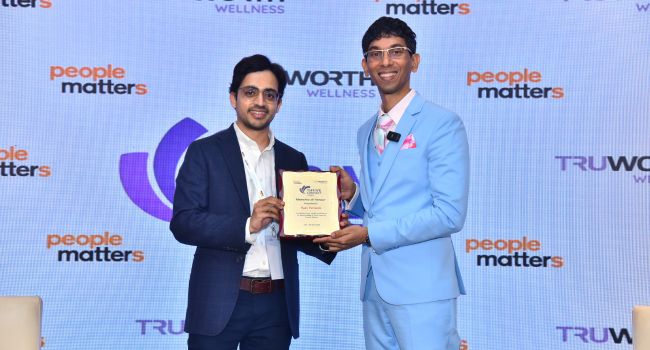
A compelling session featuring Ryan Fernando, Nutrition Architect & Founder of QUA Nutrition and Rohit Mundra, Co-Founder & CTO of Truworth Wellness highlighted the importance of personal wellness and nutrition in boosting workplace productivity. He stressed the need to monitor personal health metrics, such as cholesterol levels, as these are directly linked to work performance.
HR leaders play a vital role in promoting wellness—simple strategies, like educating employees on the calorie content of cafeteria meals rather than imposing dietary restrictions, can encourage healthier choices. Engaging employees through fitness workshops can also boost participation in wellness programs. HR must take a proactive approach to drive demand for health initiatives and cultivate a culture of holistic well-being.
Empowering a healthier future together
The event came to a close with Rohit Chohan's note emphasising that successful wellness programs start with strong leadership engagement and extend to sustainable, strategic execution. He noted that aligning wellness goals with business objectives, maintaining feedback loops, and consistently measuring program effectiveness is critical for long-term success. Employee well-being is not just a one-time initiative but a continuous effort, requiring thoughtful execution and alignment with broader business goals for lasting impact.