A 2022 research by Gartner shows erosion of workforce health. The lack of practical approaches to hybrid work, the state of trust between individuals, teams, leadership and the work environment coupled with long-term, hard-to-reverse employee health challenges prompt a rethink of employee health and well-being strategies. A fundamental shift ensues, starting with the employee mindset, i.e. employees wanting to move from reactive to preventive space. This is driving an explosion in health and wellness platforms, and organizations have become serious about curating wellness offerings.
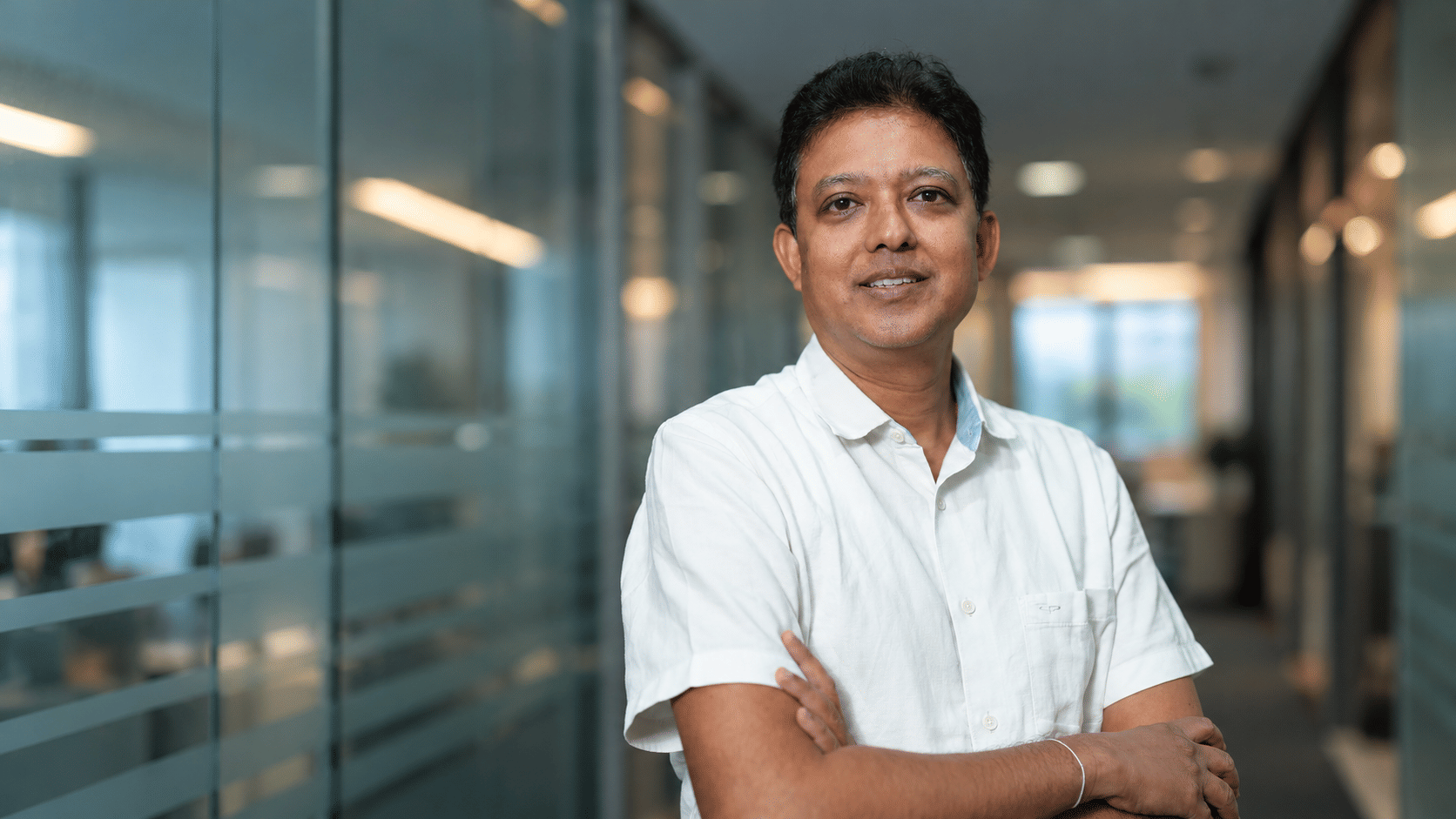
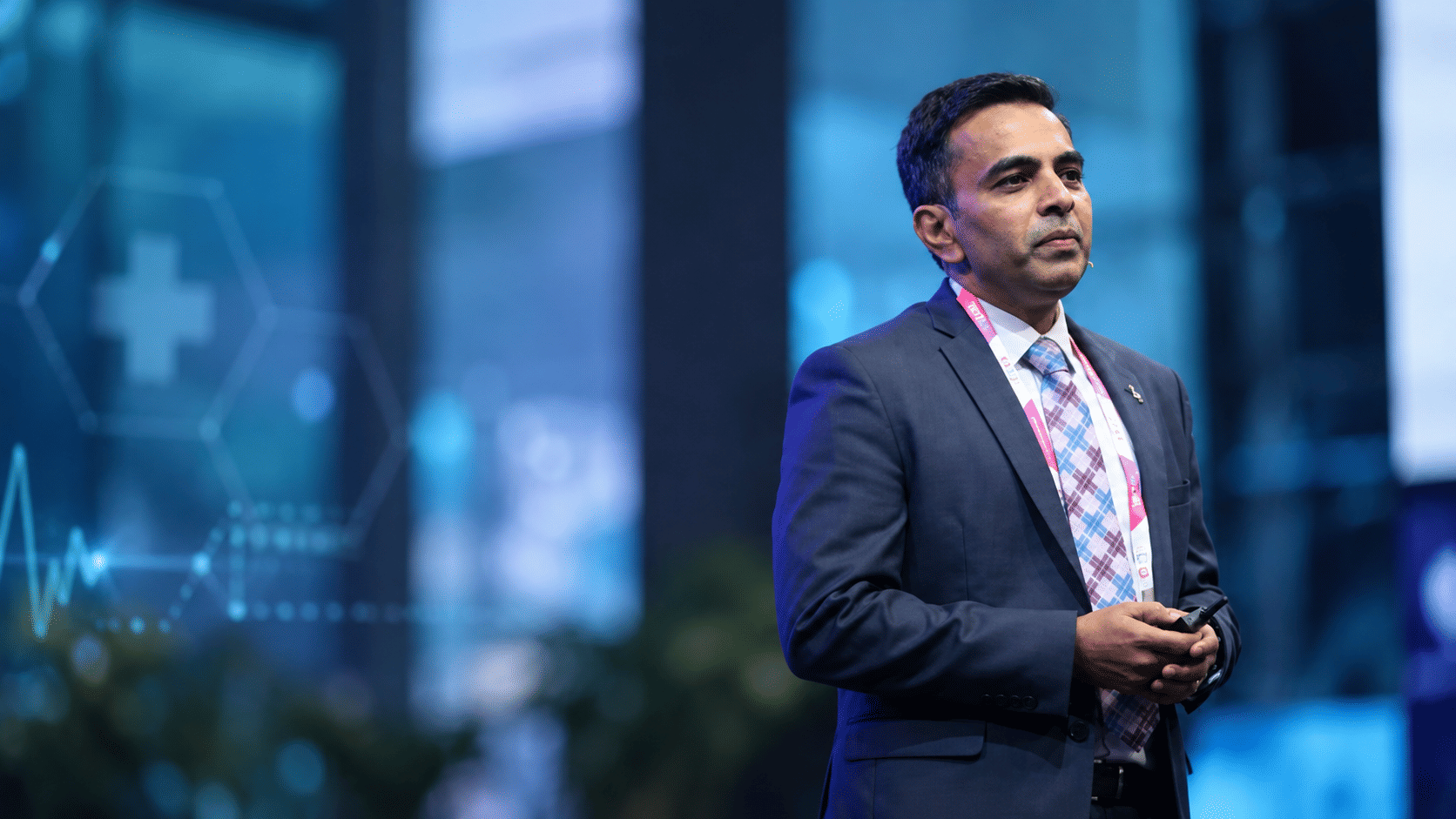
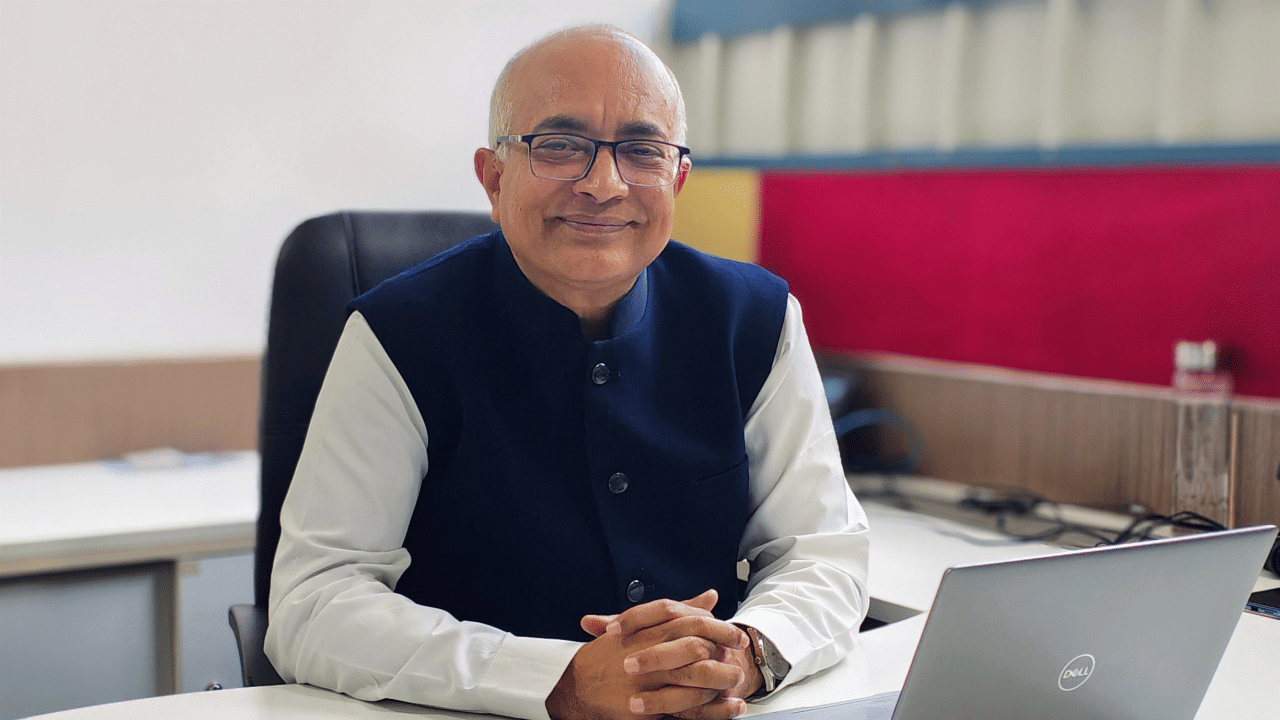
In a webcast session, Mayukh Maiti, Tata Capital – Executive VP, Digital Transformation & Strategic Thinking, Neha Sinha, Director HR – CGI, Manoj Balaji – Senior VP and Business Head, MediBuddy deliberate on "Building sustainable health and well-being practices - What's next for workforce health?"
A shift in the wellness approach
The increased focus on all-rounded wellness, including mental health, the use of technology and the evolution of a wellness ecosystem are fundamental changes outlining wellness. Mayukh Maiti, Tata Capital-Executive VP, Digital Transformation & Strategic Thinking, shared, "We always had systems for annual health checkups, but today the key is to use data and analytics to create a trend of predicting the state of health of the organization". Neha Sinha, Director of HR, CGI, talks about making health and wellness a part of the EVP. Another significant shift, according to Manoj Balaji, Senior VP and Business Head, MediBuddy, is how the wellness industry has progressed across stakeholder systems such as wellness partners, diagnostic centres, hospitals, technology providers etc. All in all, well-being has become a strategy in itself. Its success depends on how organizations put together a cohort of services and allow employees to choose basis their needs and flexibility. This lens has catapulted wellness into an overall organizational strategy and culture.
Making the wellness strategy sustainable
One needs to go over and beyond one-size-fits-all for wellness success. For the different panellists, this meant:
- Catering to the needs of individuals in cohorts: Align with what the employee wants by co-creating programs differently for segmented and customized employee groups. Mayukh Maiti shared how the 'happiness survey' at Tata Capital throws light on what employees need and how including families ensures a better employee buy-in. "Create clubs and theme-based campaigns, and drive from the top. For example, the Tata Mumbai marathon started with our Chairman being a marathon enthusiast," shared Maiti.
- Leverage technology to drive adoption: Ensuring employees' access to health and wellness requires tech embedment from a benefits perspective, tracking perspective, access perspective and an overall employee perspective. The right analytics must continuously work on how data cohorts look for customization. HR leaders should learn to use data patterns to build long-term wellness perspectives through inclusiveness and innovation from a benefits design perspective.
- Engagement and awareness: It is critical to make employees aware of the services for themselves and their dependents. While technology can help, an active engagement strategy centred on various modes such as gamification modules, incentivizing healthy behaviours, etc., will truly enable the organization to become a part of employees' healthcare journey. Neha shared, "At CGI, we implemented a global mental wellness program called Inner Hour, made available on mobile in the form of accessible bite-sized programs with easy UI-UX. For example, employees can take a 10-minute break from work and do a breathing exercise to alleviate stress".
- Results measurement: Constantly reviewing and improving wellness-based results will make it sustainable. HR leaders must know about the health indices such as service level utilization, health index, focus areas, etc. "At Tata Capital, we have a well-defined OHS program - a certification journey for all branches, top to down. We define a yearly outcome calendar, with target-setting around programs, health checkups, campaigns etc.", shared Mayukh. At CGI, wellness is imbibed in the CGI philosophy, linking it directly to the business strategy and annual business planning process.
Above all, leadership must clearly define the purpose that an organization intends to derive by providing employee health and wellness, mentions Manoj. He believes that preventive healthcare is a long-haul game; results will come from a multi-year strategy of at least 3-5 years. Neha reiterates that employees get inspired and tend to follow their leaders. "We have interviews of EVP leaders sharing their health and wellness journey. A dedicated Health & Wellness team keeps communicating using technology to make it sustainable. "
Conclusion
Mayukh believes that inspiration and mandate need to work together to make wellness work. The critical challenge is employee adoption, and hence, making results visible to both leadership and employees is crucial. Neha said, "Understand the wellness need, implement at individual and organisational levels, and then integrate the two". "Build an incremental wellness plan to drive the strategy and purpose over the years while understanding the employee voice", said Manoj. More than anything, it is essential to keep an eye on the ROI for the organization and to know constantly why we are doing it. "Explaining and establishing the clear benefits for the organization will help build a sustainable wellness strategy", said Mayukh.