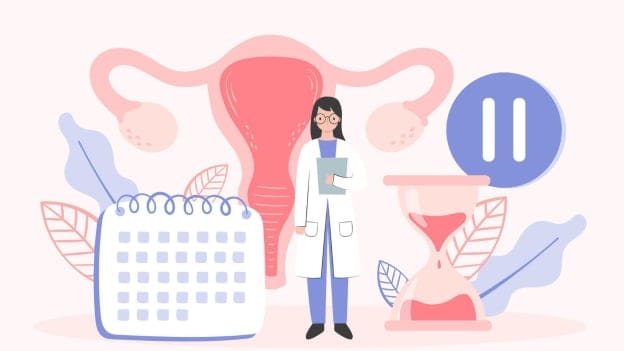
Employee wellness continues to reign as a critical indicator in designing the right employee experience. However, there remains a gap between policy implementation and its impact. This can be attributed to the challenges of meeting the needs of a diverse workforce. But at the heart of successful wellness programs lies inclusivity. Its avenues need to be expanded to take into consideration the different facets of health, and one area that tends to be often overlooked is menstrual health. While the introduction of menstrual leave is one vital step in the direction of empowering all communities at the workplace who menstruate, this isn’t enough.
Many employees menstruate at work, so a period-friendly workplace calls for initiatives beyond period leaves. Period health has a direct impact on the well-being of your people. And this trickles down to their productivity and their engagement at the workplace. In addition, with the new-age workforce placing great emphasis on the work culture, flexibility and purpose, inclusivity and equity must take the spotlight.
Gaps in building a period-friendly workplace
While menstrual health at the workplace has become a rising topic of conversation, the taboos haven’t dissipated completely. Even period leaves are often at the risk of discriminating against people who menstruate if not implemented with greater sensitivity. One of the first things organisations need to do is step up and recognise that everyone menstruates differently, and their period health differs. Furthermore, besides the worries around constant leakage and period pain, some also suffer menstrual-related conditions like endometriosis, adenomyosis, fibroids, premenstrual dysphoric disorder (PMDD), polycystic ovarian syndrome (PCOS) and perimenopause, among others, which adds to the stress, hindering their overall employee engagement.
Secondly, based on this knowledge gap at the workplace, they must recognise how it translates to infrastructure and policy gaps. For example, wellness programs might still need to be inclusive of period health, and the lack of something as basic as proper washrooms with period-care products can hamper their daily routines. It is essential that a workplace actively and genuinely cares about menstrual health and pays attention to their needs.
What are the strategies to build a workplace that reinforces period care?
Having recognised the negative impact of knowledge, infrastructure and policy gaps when it comes to period health, organisations need to invest in policies that address them at the workplace urgently. This is where Sirona comes in, as a partner that can empower you to build a period-friendly workplace by offering a complete and comprehensive ecosystem of products and services that address menstrual health concerns. Some of the ways in which they help reinforce period care at the workplace are as follows:
- Empowering a culture of conversations around menstrual health: Given that periods in many ways remain a taboo topic at the workplace with limited knowledge, Sirona offers webinars where their medical experts talk about sustainable menstruation and create awareness about the menstrual cycle and health. They also come with India’s first WhatsApp period tracker that enables employees who menstruate to keep a tab on their cycle.
- Offering comprehensive health insurance and period leaves: Several companies are yet to implement period leaves, but it is one whose roll-out needs to be strategic, sensitive and emphasise equity. Moreover, health insurance coverage and wellness policies need to include menstrual health concerns as well, especially since they require medication, painkillers, and specialist consultants, which can get quite expensive.
- Improving office infrastructure by offering more period care facilities: Providing period care products with proper washroom facilities is a must-have for a period-friendly workplace. These include but are not limited to pads, tampons, painkillers, herbal teas, hot water bottles and proper sanitary bins. With Sirona, you get access to a range of period care products offered through vending machines and pad/tampon dispensers for the comfort and convenience of your employees.
Corporate wellness initiatives must become more inclusive of all segments of the workforce, and addressing menstrual health concerns is a critical part of the process. If you want to build an equitable workplace and be an employer that genuinely cares for their employees, period care has to be equated to healthcare and can no longer take a backseat. It not only directly impacts the productivity and engagement of your employees but also reinforces the value of care from an inclusivity lens. If you’re looking to build an equitable and period-friendly workplace, Sirona is the partner for you. Follow this link to learn more about their products and services.
We are also bringing an exclusive webcast with a panel of experts this Thursday, 16th February, from 3-4 pm to dive deeper into this topic and explore what organisations are doing to address menstrual health and what more they can do. Register now if you want to be part of this critical conversation and get those impactful, action-driven takeaways!
Image Credits: Freepik