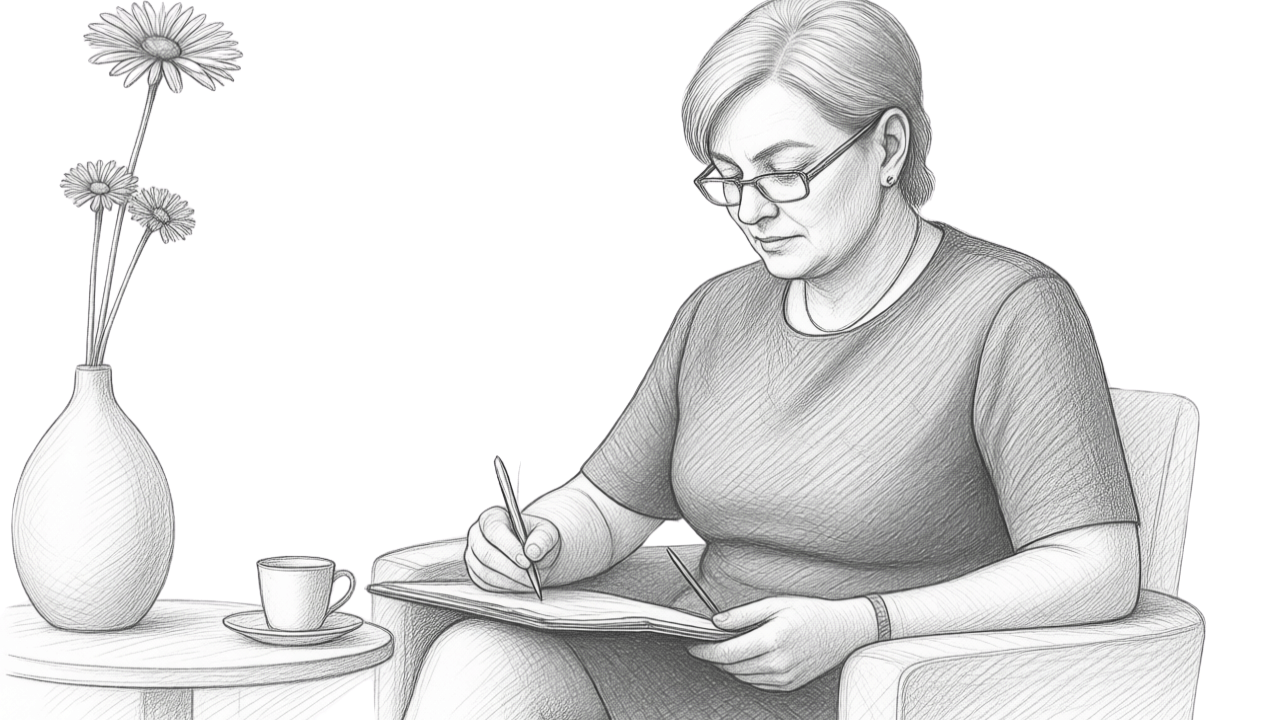
Less than 10 percent of venture-backed companies have a female founder. The most favored explanation for this chasm is that it is a pipeline problem.
Not many of us grew up dreaming and determined to build billion-dollar businesses or becoming the CEO of a fortune 500 company. Yet the business world is filled with intelligent, driven and smart women who persevere and break many a taboo and ceilings along the way. The irony is that when they succeed, they attribute their success to either luck or their husband. And when they fail, they place the blame squarely on themselves.
I know this from personal experience, from having close women friends who have built successful businesses and from being on scores of panels at conferences on women entrepreneurship. I also know firsthand about a lot of other self-limiting beliefs and habits that hold women back or cause them to quit — be it the imposter syndrome or financial literacy or risk-taking.
One obvious outcome of this cultural and societal upbringing is the enormous gender wealth gap. According to a joint study by Merrill Lynch and Age Wave, a single woman’s net worth is three times smaller compared to the average single man. Pay equity is part of this equation combined with the career break that many women take for birthing and raising children and the fatigue that sets in while consistently trying to conform to the corporate world designed by and for men.
Thanks to democratization of information, 2018 proved to be a year when women’s stories of harassment and discrimination found validation not only in India but across the world. And the validation came because of the number of women who stood together under the hashtag of #MeToo exposing the extent and depth of abuse women face at workplace and disproving the claim that it is an isolated problem once and for all. However, while on the one hand, there is a double standard in the industry and workplaces are rife with subtle and direct discrimination, on the other is the woman’s conditioning such that they do not feel entitled to succeed, compete, and win.
So what can we do to fix this fabled pipeline problem?
As a Woman be there for other Women who are battling in the trenches.
For the:
- Woman Entrepreneur who comes back angry from an investor meeting because the discussion was laced with gender stereotyping — provide a listening ear and brainstorm ideas on how to counter it in the next meeting.
- Woman Professional who is getting ready to return to work after the maternity break and is ridden with guilt — gently nudge her to take one step at a time and at least present an alternative world view in which balancing home and work gets slightly easier after a couple of years.
- Woman Employee who gets 20 percent less salary because she does not know how to negotiate — provide guidance on how to ask for what she deserves.
- Woman Journalist who is being brutally trolled on Twitter — retweet with the necessary hashtags to show your support when she decides to speak up.
- Woman Scientist who has not been acknowledged for her contributions — educate yourself on the immense contributions by the women in science and speak about them.
- Woman Fresher who gets volunteered for all the ‘fun’ unpaid projects at work — coach her on the Power of ‘No’ and how to say it.
And most importantly, make it a priority.
There is tremendous power in networks that become support systems and help women find mentors and role models because the much-needed guidance at the right time from someone who has been there and prevailed can make all the difference not only in the life of that one woman professional but in fixing the Pipeline Problem.