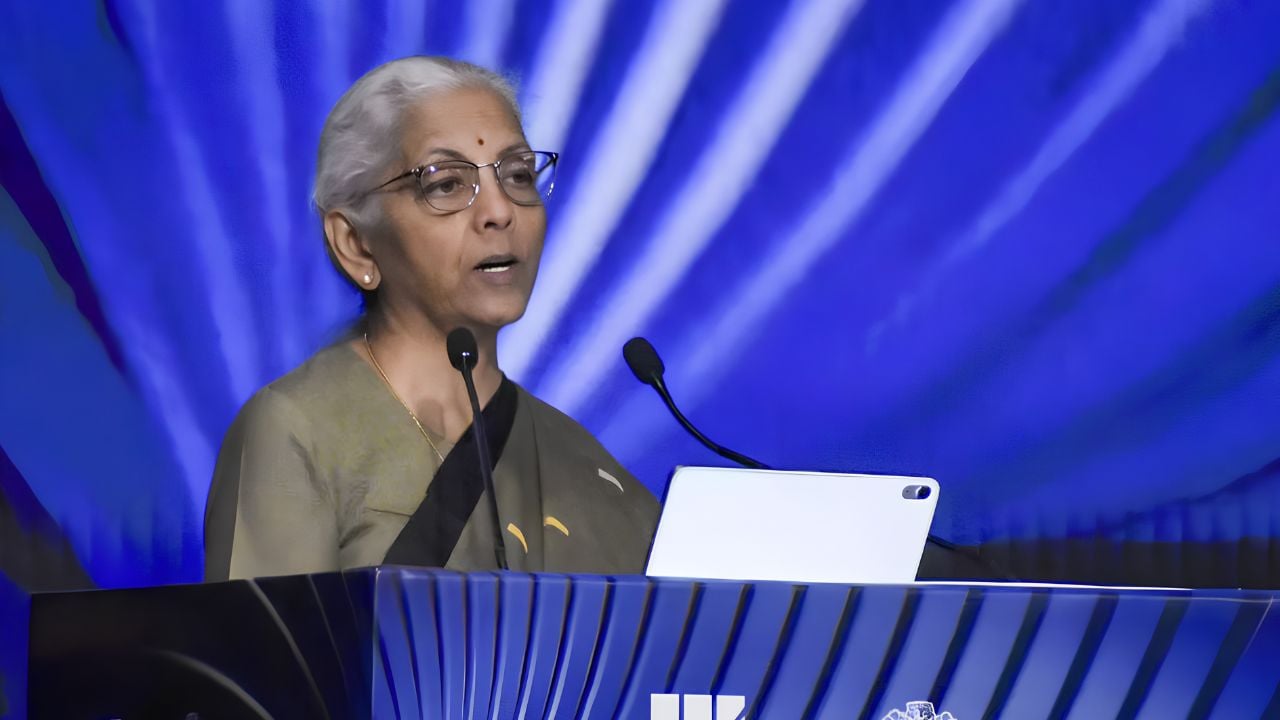
India is poised to capture 10% of the global services market by 2047, setting the stage for a transformative leap in its economic landscape. The Union Budget for 2026-27, presented by Finance Minister Nirmala Sitharaman, lays out a bold vision to make the services sector the driving force behind Viksit Bharat. A High-Powered ‘Education to Employment and Enterprise’ Standing Committee will be established to chart out the roadmap for this ambitious goal, focusing on policy measures and strategic initiatives that unlock the sector’s full potential.
The Committee’s mandate is clear: prioritise high-impact areas that can propel growth, drive employment, and boost services exports. It will also address the challenges and opportunities posed by emerging technologies, such as Artificial Intelligence, ensuring that India’s workforce is future-ready through targeted upskilling and policy support.
The Indian design industry is expanding rapidly and yet there is a shortage of Indian designers. The Union Budget proposes to establish, through a challenge route, a new National Institute of Design to boost design education and development in the eastern region of India.
The government will support states through a challenge route in creating 5 University Townships in the vicinity of major industrial and logistics corridors. These planned academic zones will host multiple universities, colleges, research institutions, skill centres and residential complexes.
In the Higher Education STEM institutions, prolonged hours of study and laboratory work pose some challenges for girl students. The Union Budget proposes to establish 1 girls’ hostel in every district through VGF/capital support.
To promote Astrophysics and Astronomy through immersive experiences, 4 Telescope Infrastructure facilities will be set up or upgraded: the National Large Solar Telescope, the National Large Optical-infrared Telescope, the Himalayan Chandra Telescope, and the COSMOS 2 Planetarium.