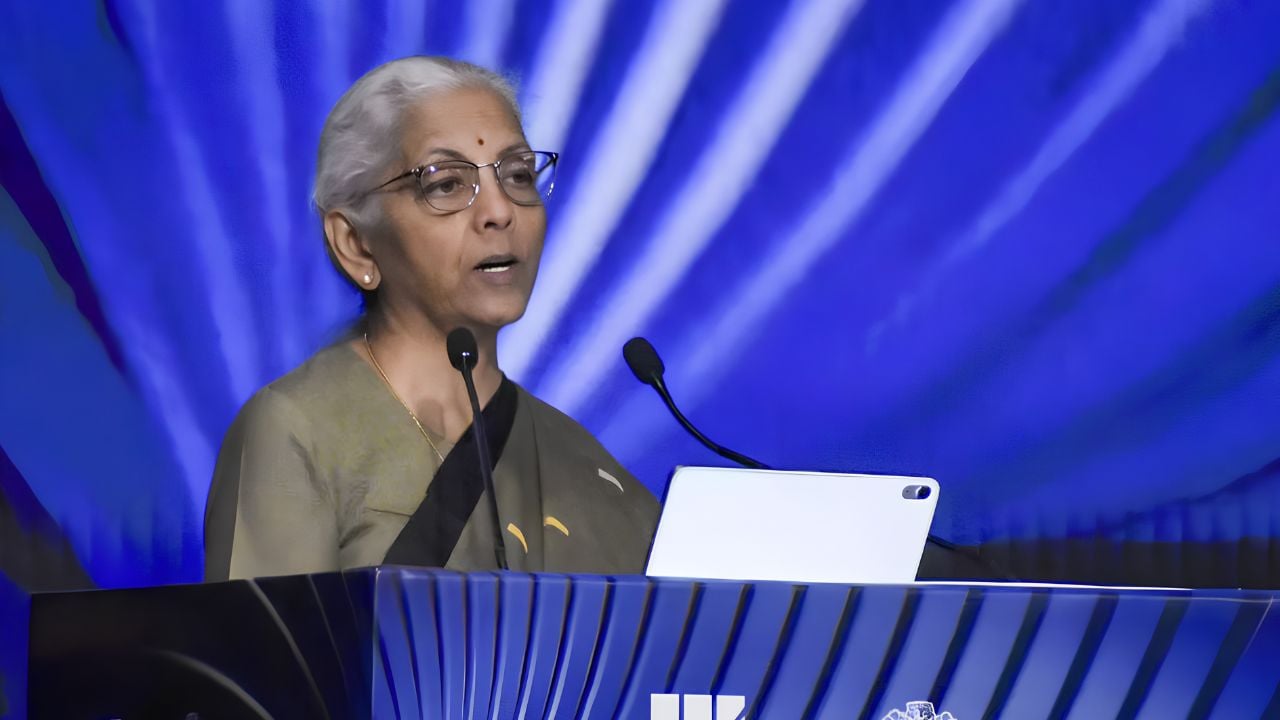
The International Monetary Fund (IMF) has revised India’s GDP growth forecast for the current financial year to 6.6 per cent, compared with its earlier projection of 6.4 per cent, Reuters reported. The multilateral lender cited stronger-than-expected growth in the first quarter, which offset the drag from recent tariff measures imposed by the United States.
The IMF’s latest World Economic Outlook (WEO), released on Tuesday, said, “Compared with the July WEO Update, this is an upward revision for 2025, with carryover from a strong first quarter more than offsetting the increase in the US effective tariff rate on imports from India since July, and a downward revision for 2026.”
India’s economy expanded by 7.8 per cent in the April–June quarter, the fastest pace in five quarters. The acceleration preceded the tariff measures introduced by the US government, which analysts had warned could weigh on exports in subsequent months.
While upgrading the FY26 forecast, the IMF trimmed its projection for FY27 by 20 basis points, to 6.2 per cent. This revision reflects expectations of moderating momentum after the current fiscal year’s strong carryover effect.
The IMF’s new estimates follow earlier projections made this year. In its April 2025 WEO, the organisation had pegged India’s growth at 6.2 per cent for FY25 and 6.3 per cent for FY26. By July, the forecast was lifted to 6.4 per cent for both years. The latest update places FY26 at 6.6 per cent while lowering FY27 to 6.2 per cent.
The World Bank also adjusted its forecast for India earlier this month, lifting its estimate to 6.5 per cent for the current fiscal year from the previous 6.3 per cent. The Bank said India was expected to remain the fastest-growing major economy, underpinned by resilient domestic demand.
India’s growth outlook contrasts with a slowing global environment. The IMF projects world GDP growth to ease from 3.3 per cent in 2024 to 3.2 per cent in 2025 and 3.1 per cent in 2026. According to the WEO, this slowdown reflects rising uncertainty and the impact of protectionist measures, though the scale of tariff shocks has been smaller than earlier assumed.
For emerging market and developing economies, the IMF expects growth to moderate from 4.3 per cent in 2024 to 4.2 per cent in 2025 and 4 per cent in 2026.
The IMF noted that while India continues to benefit from robust services exports and resilient domestic demand, the external environment remains a factor to watch, particularly with trade tensions and tariff changes from major economies.
India’s next quarterly growth numbers, due later this year, will provide a clearer picture of whether momentum in domestic activity can sustain the upward revision. The IMF, in its report, highlighted that continued reforms, investment flows and stability in consumption will be central to maintaining high growth levels into FY27.