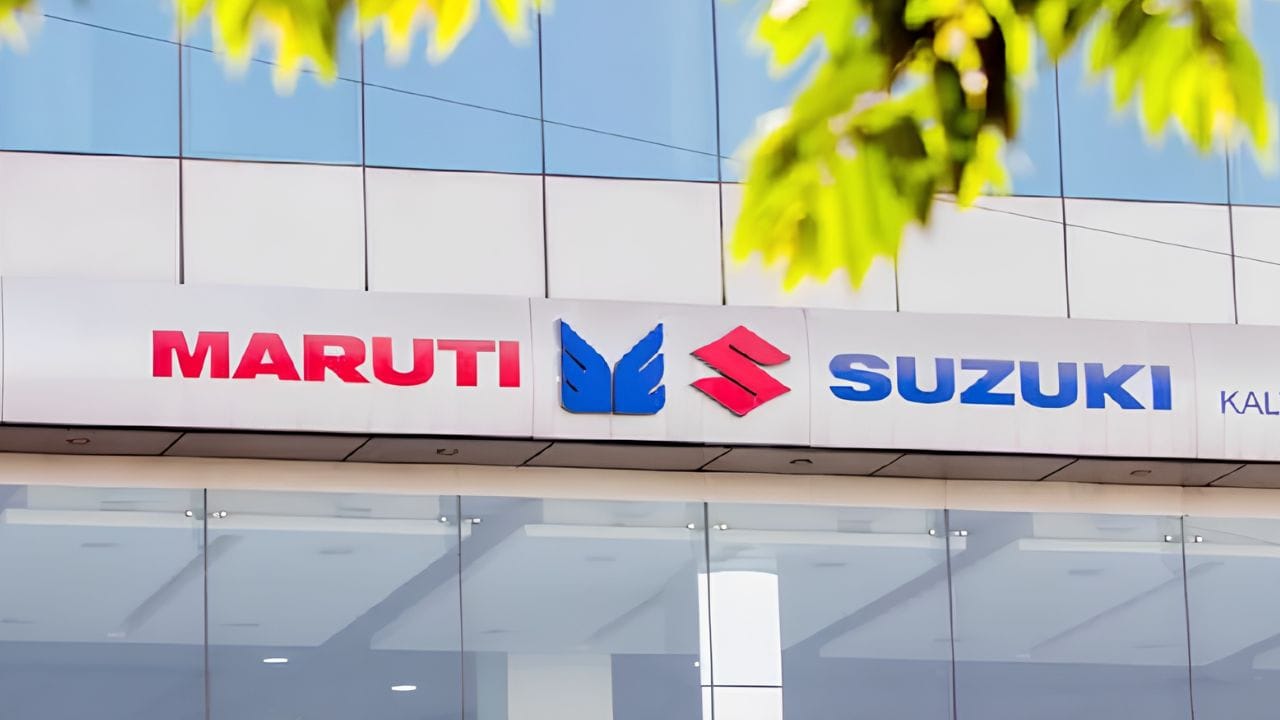
Maruti Suzuki India Ltd (MSIL) has introduced a set of company-wide austerity measures, including expanded work-from-home arrangements and restrictions on foreign travel, in response to Prime Minister Narendra Modi’s call for efficiency and conservation amid the ongoing West Asia conflict.
In a statement shared on social media platform X on Tuesday, the automaker said it had placed “immense importance” on the Prime Minister’s appeal for austerity as well as the need to mitigate the long-term impact of the war in West Asia.
The company said the current situation presents an opportunity to reassess operational efficiency, reduce fuel consumption and minimise unnecessary expenditure across business functions.
Company asks employees to reduce fuel use
As part of the initiative, Maruti Suzuki has instructed employees and business partners to adopt practices aimed at lowering petroleum consumption and reducing foreign currency expenditure.
The company stated that management had asked teams to institutionalise several efficiency-driven measures across operations.
Key steps announced by the company include:
- Implementation of work from home wherever operationally feasible
- Restriction on foreign travel unless critical for business needs
- Increased use of virtual meetings in place of domestic travel
- Encouragement of carpooling and public transport usage
- Energy conservation across offices and homes, including optimised use of air conditioning, fans and lighting
The company clarified that the work-from-home arrangement aligns with its existing remote working policy.
Focus shifts towards operational efficiency
In its statement, the company said businesses must continue operating “in the most productive and efficient manner” during both crisis situations and normal business conditions.
It added that reducing unnecessary fuel usage and optimising operational practices are important not only from a national perspective but also for long-term business sustainability.
“This is a timely opportunity to revisit and re-examine all our processes and make efforts to improve efficiency across all our business operations,” the company said.
The measures come at a time when companies across industries are closely monitoring the economic impact of geopolitical tensions in West Asia, particularly around global energy markets and supply chains.
Industry responds to geopolitical uncertainty
India remains one of the world’s largest crude oil importers, making businesses sensitive to fluctuations in fuel prices and global energy disruptions.
Analysts say prolonged instability in the region could increase transportation and operational costs for sectors heavily dependent on logistics and mobility.
For automobile manufacturers, fuel price volatility can also influence consumer spending patterns, vehicle demand and broader operating economics.
Industry observers note that companies are increasingly combining cost-control measures with sustainability and business continuity strategies, especially after the widespread adoption of hybrid work models following the pandemic.
Hybrid work gains a new operational role
While remote work was initially accelerated during the Covid-19 pandemic, companies are now using hybrid work structures to support broader operational objectives, including energy conservation and travel reduction.
The latest move by Maruti Suzuki reflects how large corporations are reassessing workplace practices amid global uncertainty and rising focus on efficiency.
As geopolitical and energy-related risks continue to evolve, more companies may adopt similar measures to manage operational resilience and cost exposure over the coming months.