








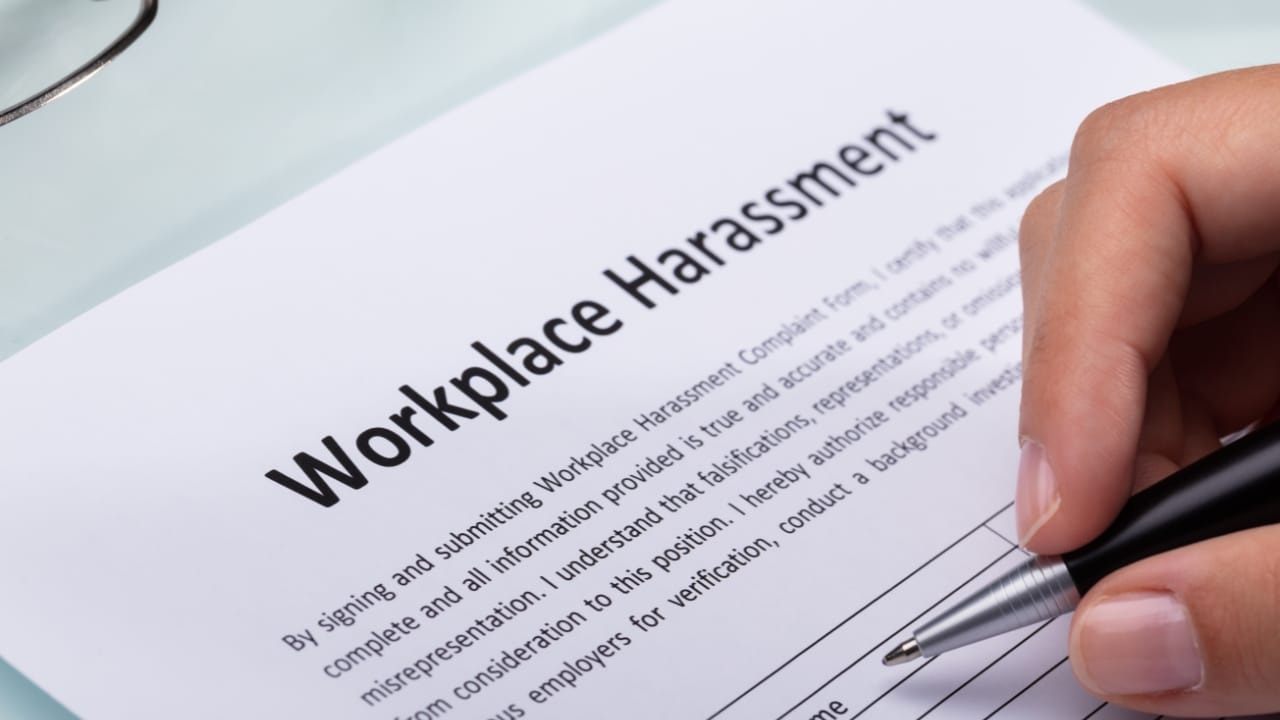
India’s top listed firms reported a 6.2 per cent increase in sexual harassment complaints in FY25 under the Prevention of Sexual Harassment (POSH) Act, corporate filings show.
According to BW People, filings from 30 leading companies suggest that more staff are speaking up, aided by stronger redressal frameworks and clearer compliance practices. HR leaders view the rise as a sign of cultural maturity, not a surge in cases.
Across sectors such as technology, banking, energy and manufacturing, firms are reinforcing internal complaints committees (ICCs), mandating training programmes and publicising zero-tolerance policies.
The POSH Act, enacted in 2013, requires organisations with more than 10 employees to set up ICCs and file annual compliance reports. In its early years, the framework was often treated as a procedural formality. Over the past decade, however, larger companies have adopted a more proactive approach, introducing confidential reporting channels and enhancing the visibility of redressal mechanisms.
POSH compliance has also become a corporate governance benchmark. Regulators and global investors increasingly evaluate workplace safety and gender equity as indicators of responsible management. With more women entering the workforce, particularly in financial services and technology, boards face mounting pressure to ensure robust safeguards. A growing number of companies now commission external audits of their POSH systems to strengthen employee confidence and reassure stakeholders.
The increase in complaints reflects not only greater awareness but also higher expectations of accountability. The challenge will be to maintain credibility by delivering impartial investigations, ensuring tangible outcomes, and embedding cultural change beyond compliance.
For employees, the numbers point to workplaces that are becoming safer and more responsive. For employers, they highlight that workplace safety and dignity are no longer peripheral obligations but core to reputation, retention and long-term growth.
The 6.2 per cent rise in complaints may appear modest, but it signals progress. It suggests that employees are more willing to speak up — and that corporate India is under growing scrutiny over how effectively it listens and responds.