








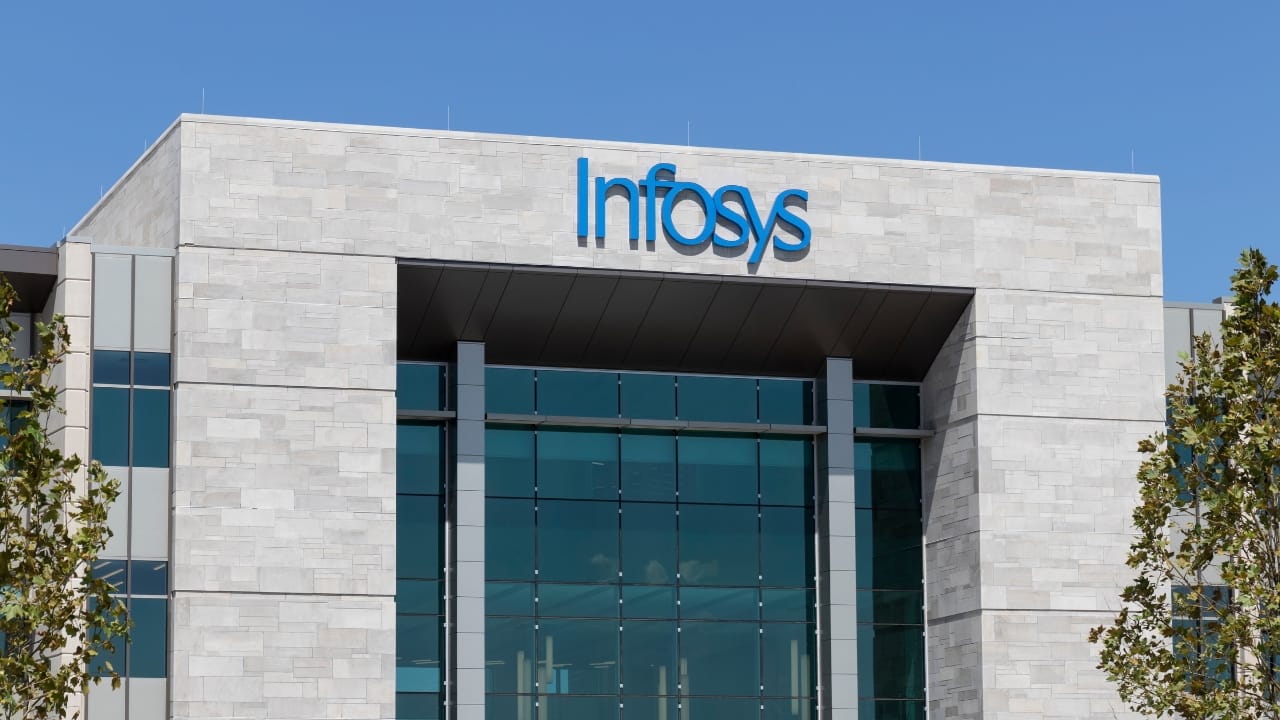
Infosys has replaced state-run National Insurance Company (NIC) with private insurer GoDigit for its group health insurance coverage, a change that affects the company’s entire global workforce of over 3.2 lakh employees.
The development was first reported by Moneycontrol, citing an internal communication circulated within the company. Infosys and GoDigit did not respond to requests for comment at the time of publication. The reasons for the switch remain unclear, but the move adds to a broader trend in which Indian enterprises are opting for private players in the group insurance space.
GoDigit, a digital-first insurer backed by Fairfax Group, has been expanding its presence in corporate health plans. While the Infosys mandate marks a major customer acquisition for the insurer, the focus for employees will be on whether the change improves claim processing, service quality, and healthcare access.
Employee Experience at the Centre of Insurance Transitions
Health insurance is often the most visible benefit employees engage with, especially during hospitalisation or medical emergencies. Shifting insurers at scale poses operational challenges—policy continuity, claim settlements, hospital network compatibility, and communication being key among them.
Infosys employees will now transition from a public sector insurer to a relatively newer, private player. While GoDigit has positioned itself as a tech-enabled alternative, it remains to be seen how the service experience holds up at scale.
A 2024 survey by insurtech firm Plum, which analysed benefits data across 4,500 Indian companies, reported a 110% increase in the number of organisations offering comprehensive health cover and a growing preference for digital-first insurers with faster claim processes and app-based access.
However, benefits experts also caution that private insurers, while efficient, may apply stricter scrutiny to claims or offer limited coverage in certain geographic regions. “A switch from a PSU to a private insurer typically involves trade-offs—some employees may gain in service speed, while others might find previously covered treatments excluded,” said a senior HR leader at a Bengaluru-based IT firm, speaking on condition of anonymity.
Meanwhile, Infosys, like several of its peers in the IT sector, has been re-evaluating cost structures amid a cautious business environment. The company’s FY25 financial disclosures show a 4% increase in employee benefit expenses, amounting to ₹67,466 crore.
Health insurance is one of the largest benefit outlays, especially in a post-pandemic workforce where hybrid and remote work have introduced new risks and expectations around medical support.
The insurer switch is also occurring in a context where employees increasingly view healthcare access as a marker of employer responsibility. Delayed claim approvals, lack of hospital reach, or insufficient support can erode trust in employer promises—particularly in companies where employee loyalty and retention are under scrutiny.
Interestingly, Infosys had partnered with Life Insurance Corporation of India (LIC) in September 2024 for the latter’s digital transformation journey. The project focused on improving customer and agent experience through omnichannel platforms and data-led personalisation—signalling the company's continued work with public sector clients even as it makes different choices internally.
The decision to drop NIC, therefore, appears more operational than political—likely driven by service metrics, pricing, or policy flexibility. Without an official comment from Infosys, however, employee forums remain speculative about the rationale behind the move.