








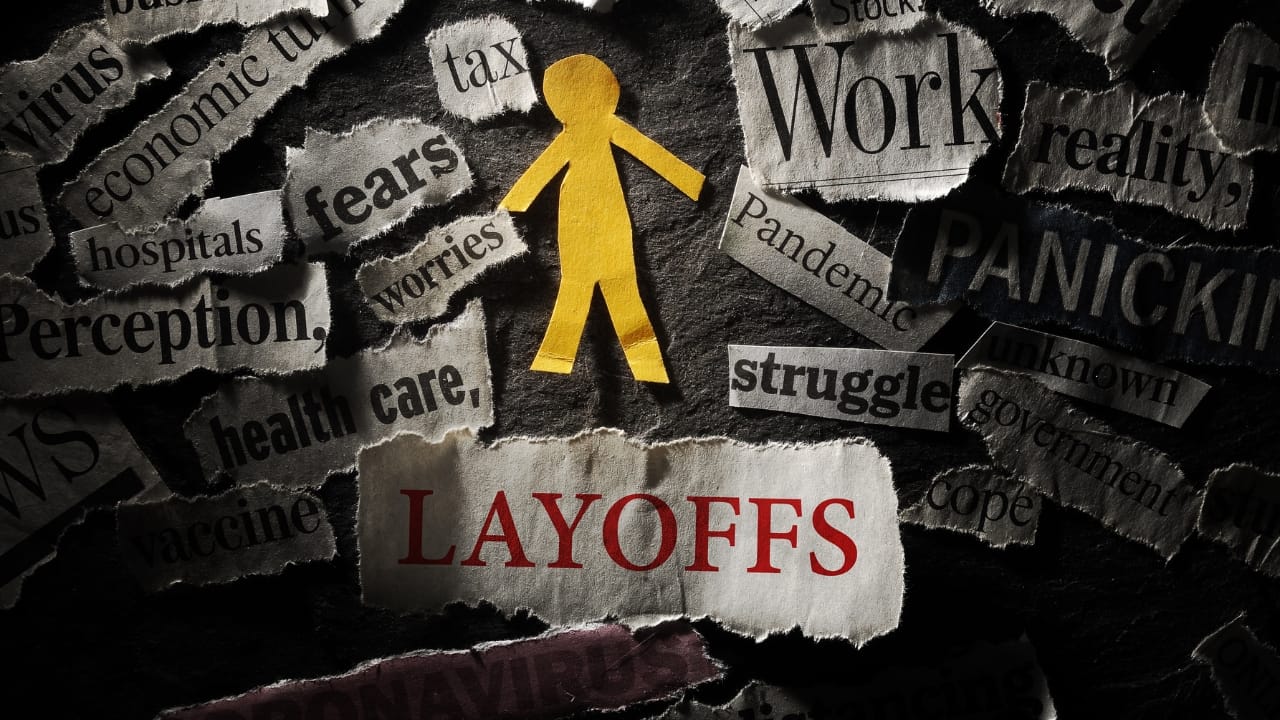
A series of major job cuts across North America this week underscored the pressure on large corporations to contain costs and simplify operations.Target, Rivian Automotive, Applied Materials and Air Canada together are eliminating thousands of roles, according to company statements, internal memos and regulatory filings shared on Thursday.
Target said it is cutting 1,800 corporate jobs as the US retailer tries to return to growth after roughly four years of stagnant sales. The move, its first large-scale reduction in a decade, combines about 1,000 employee layoffs with another 800 positions that will no longer be filled, a company spokesman said. The cuts represent about 8 per cent of Target’s corporate workforce.
Electric-vehicle maker Rivian Automotive said in an internal email seen by employees that it will lay off 4.5 per cent of its staff—more than 600 people—as it consolidates operations amid softer demand following the expiry of key US tax credits.
Chip-equipment manufacturer Applied Materials announced in a filing that it will cut 4 per cent of its global workforce, or roughly 1,444 jobs, affecting staff “across all levels and groups”. And Air Canada confirmed about 400 management positions—around 1 per cent of its total workforce—have been eliminated after operational disruptions and a four-day strike by flight attendants earlier this year.
What went wrong?
Target’s announcement came in a memo sent by incoming chief executive Michael Fiddelke to headquarters employees in Minneapolis. Fiddelke, currently chief operating officer and formerly chief financial officer, will take over from long-time CEO Brian Cornell on 1 February.
He said the decision followed months of review by the Enterprise Acceleration Office, a company initiative launched in May to simplify operations and speed up growth, reported Reuters.
“The truth is, the complexity we’ve created over time has been holding us back,” Fiddelke wrote. “Too many layers and overlapping work have slowed decisions, making it harder to bring ideas to life.” He described the cuts as “a necessary step in building the future of Target and enabling the progress and growth we all want to see.”
Target has struggled with weak store traffic, inventory challenges and customer backlash. The retailer expects annual sales to decline this year, and its shares have dropped about 65 per cent since their 2021 peak. Compared with Walmart, which derives around 40 per cent of its sales from groceries and essentials, Target’s heavier reliance on discretionary goods—about half its revenue—has made it more vulnerable to changes in consumer sentiment.
At Rivian, chief executive RJ Scaringe told staff the decision “was not made lightly” but reflected the need to adapt to “a changing operating backdrop”. The company is merging its sales, marketing and service units to streamline operations and plans to hire a chief marketing officer to lead the new structure.
The layoffs follow the expiry of a US $7,500 federal tax credit for EV purchases, which lifted prices and is expected to weigh on demand through the rest of the year. Rivian has been facing sustained cost pressures from ramp-up expenses, tariffs on imported parts and competition from both Tesla and established automakers.
Meanwhile, Applied Materials said in its filing that “automation, digitalisation and geographic shifts are redefining our workforce needs and skill requirements”. The move, it said, is part of efforts to create “high-velocity, high-productivity teams” and simplify organisational structures. The company recently forecast a US $600 million revenue hit in fiscal 2026 after the US expanded its restricted-export list, pushing its shares down 3 per cent in extended trading. It expects restructuring charges of US $160 million to US $180 million, mainly for severance and related costs.
Air Canada’s decision comes after a turbulent summer in which a strike grounded flights nationwide and forced the carrier to withdraw its profit forecast. The company said the management cuts will help restore efficiency ahead of its earnings release on 5 November.
Outlook
While the four announcements vary in scale and sector, their timing highlights a shared reality: slower sales, cost inflation and strategic realignment are prompting companies to trim staff even as they look to future growth.
Target’s move marks a major cultural shift after years of expansion, signalling that its incoming leadership sees structural complexity as a drag on agility. Rivian’s consolidation suggests the EV industry is entering a phase of tighter discipline after years of rapid hiring and subsidy-fuelled growth. Applied Materials’ restructuring underlines how global policy and automation are reshaping semiconductor manufacturing, while Air Canada’s smaller-scale cuts point to the lingering fragility of airline operations post-pandemic.
Across these sectors, leaders are reaching for the same playbook: smaller teams, flatter hierarchies and sharper cost control. The coming quarters will show whether those measures deliver the stability and competitiveness they promise—or simply mark another round of retrenchment in a still-uneven recovery.