








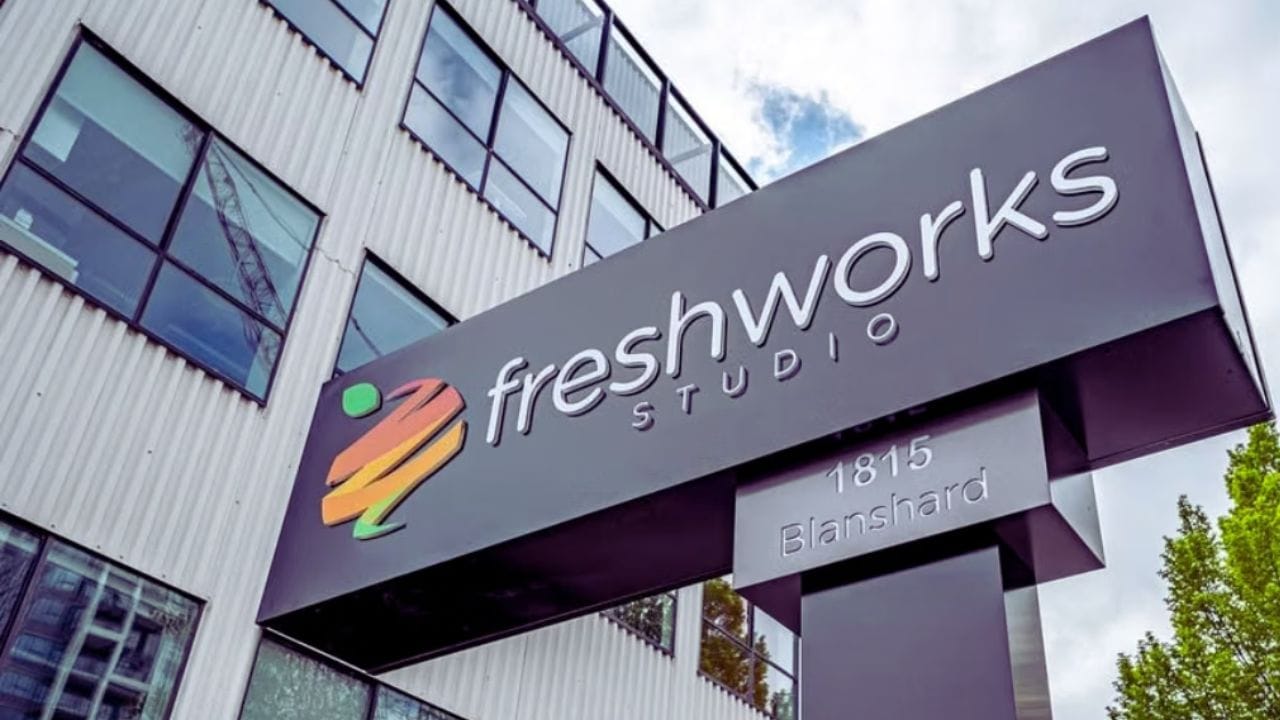
Freshworks will cut around 500 jobs globally as the software company accelerates its artificial intelligence-led transformation and restructures operations to adapt to rapid changes across the enterprise technology sector.
The company said on Tuesday that it would reduce its workforce by roughly 11%, according to Reuters, making Freshworks one of the latest software firms to announce job cuts linked directly to AI adoption and automation.
Shares in the San Mateo, California-based company fell more than 8% in extended trading following the announcement.
AI adoption reshapes software workforce strategies
Freshworks, which develops customer service and IT support software, said the restructuring was partly driven by the growing use of AI across engineering and business functions.
Chief executive Dennis Woodside told Reuters that AI has already become deeply embedded in the company’s product development process.
“Over half of our code is written by AI,” Woodside said, adding that automation had reduced “rote work that technology can take care of.”
The comments reflect a broader shift underway across the global software industry, where companies are increasingly automating coding, support functions and operational workflows while redirecting investment into AI-focused products and infrastructure.
Reuters reported that rival software company Atlassian last month announced plans to cut roughly 10% of its workforce as the sector adjusts to similar pressures.
Restructuring to affect teams globally
Freshworks said the layoffs would affect departments worldwide and estimated approximately $8 million in one-time restructuring charges.
The company employed about 4,500 full-time staff as of 31 December 2025.
Key figures from the restructuring
- Jobs being cut: Approximately 500
- Percentage of workforce affected: 11%
- Estimated restructuring charges: About $8 million
- Employee base before layoffs: Around 4,500 workers
- Share movement: Stock fell more than 8% in extended trading
Woodside said the company plans to reinvest savings generated through the restructuring into Freshworks’ Employee Experience division, including its IT service management platform, Freshservice.
The savings are expected to come from consolidating sales teams, reducing management layers and increasing operational automation.
AI disruption intensifies pressure on software companies
The latest cuts underscore how rapidly evolving AI tools are disrupting traditional software business models.
Reuters reported that technologies developed by companies including Anthropic are increasingly viewed as competitive threats to established software vendors, placing pressure on both growth expectations and market valuations.
Freshworks’ shares have declined around 26% this year amid broader investor concerns about how AI could reshape the economics of enterprise software.
Larger software groups including Salesforce and ServiceNow have also faced increased scrutiny from investors as generative AI tools begin to automate functions historically handled through enterprise applications.
According to Layoffs.fyi, cited by Reuters, more than 92,000 technology sector employees globally have lost their jobs so far this year.
Revenue outlook remains resilient despite cuts
The restructuring announcement came alongside Freshworks’ latest financial update, which showed revenue growth continuing despite mounting industry disruption.
The company forecast second-quarter revenue between $232 million and $235 million. Reuters reported that the midpoint of the guidance exceeded analysts’ average estimate of $232.7 million, according to LSEG data.
Freshworks also reported first-quarter revenue of $228.6 million, representing a 16% year-on-year increase and surpassing analyst expectations of $223.24 million.
Adjusted earnings came in at 11 cents per share, slightly below analyst estimates of 12 cents.
The company’s latest moves suggest Freshworks is attempting to balance cost control with continued investment in AI-enabled growth areas as software companies rethink workforce structures, productivity models and product development strategies in an increasingly automated industry.