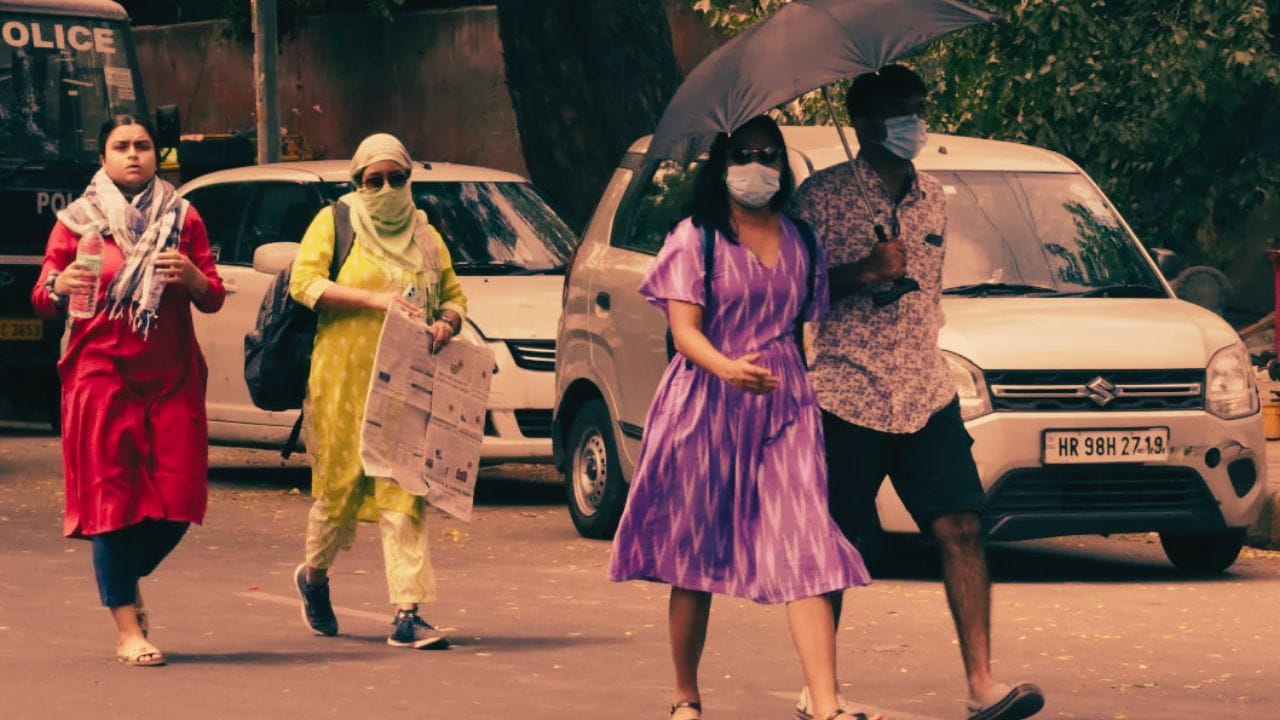
Large parts of north, central and eastern India are expected to remain under severe heatwave conditions through the week, with the India Meteorological Department (IMD) warning that temperatures will stay significantly above normal in several regions until at least May 28.
The prolonged spell of extreme heat is not only straining public health systems but is also intensifying concerns around employee safety, workplace productivity and operational continuity across sectors dependent on outdoor and frontline labour.
The IMD said no significant fall in maximum temperatures is likely across northwest and central India until May 28, although some areas may see a gradual drop of 3 to 5 degrees Celsius from May 29 onwards.
Severe heatwave conditions persist across multiple states
According to the weather office, severe heatwave conditions are expected to continue in several northern states over the coming days.
The IMD forecast includes:
- Severe heatwave conditions over Punjab, Haryana, Chandigarh and Delhi till May 27
- Heatwave conditions across Rajasthan till May 30
- Continued extreme heat across Uttar Pradesh till May 28
- Severe heatwave conditions over eastern Uttar Pradesh on May 25 and 26
- Ongoing heat stress across Madhya Pradesh and Vidarbha during much of the week
Heatwave conditions are also expected to affect parts of:
- Chhattisgarh
- Odisha
- Bihar
- Jharkhand
- Telangana
Brahmapuri in Maharashtra’s Vidarbha region recorded the country’s highest maximum temperature at 47.2 degrees Celsius on Sunday.
The IMD also warned of warm night conditions in parts of Uttar Pradesh and Vidarbha, limiting overnight cooling and increasing heat-related health risks.
Employee safety concerns grow amid extreme weather
The prolonged heat spell is raising operational concerns for industries reliant on field staff, delivery personnel, construction workers, logistics employees and factory workers.
Extended exposure to high temperatures can lead to:
- Dehydration
- Heat cramps
- Heat exhaustion
- Heat stroke
According to the IMD, symptoms linked to heat-related illness may include dizziness, fatigue, headaches, nausea, vomiting and muscle cramps.
Heat stroke can become life-threatening if body temperature rises above 40 degrees Celsius and immediate treatment is not provided.
The extreme weather conditions are also expected to impact productivity in sectors with significant outdoor activity, particularly during afternoon working hours.
Employers across industries are increasingly being encouraged to:
- Adjust outdoor work schedules
- Improve hydration access for workers
- Reduce prolonged exposure to direct sunlight
- Strengthen emergency medical response protocols
- Review heat safety guidelines at workplaces
Delhi-NCR may see slight relief later this week
While Delhi-NCR is expected to remain extremely hot in the immediate term, the IMD has forecast the possibility of light rain, drizzle and thunderstorms in some areas later in the week.
Maximum temperatures in the national capital are expected to remain between 43 degrees Celsius and 45 degrees Celsius on Monday, while minimum temperatures may hover between 29 degrees Celsius and 32 degrees Celsius.
A gradual decline in temperatures is expected towards the weekend.
Rainfall expected in southern and northeastern regions
Even as northern India continues facing intense heat, several southern and northeastern states are likely to receive rainfall activity accompanied by thunderstorms, lightning and gusty winds.
The IMD said:
- Assam and Meghalaya may witness rainfall activity on Monday
- Heavy rainfall is expected in Arunachal Pradesh till Tuesday
- Kerala has been placed under a yellow alert for heavy rainfall and thunderstorms
The Regional Meteorological Centre in Kerala also warned of squally weather conditions in parts of the state.
The contrasting weather patterns underline the increasing volatility of seasonal climate conditions across India.
With severe temperatures expected to persist through much of the week, public health authorities, employers and local administrations are likely to remain focused on minimising heat-related health risks and ensuring workplace safety for vulnerable employees.