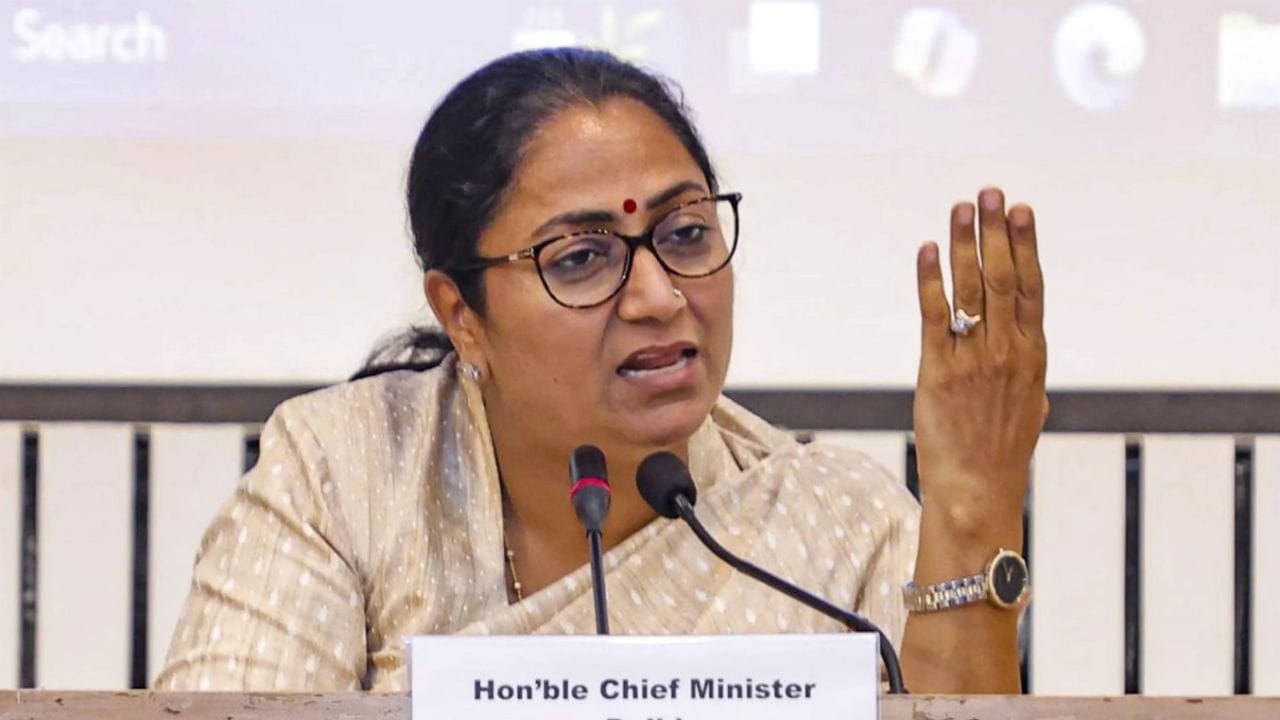
The Delhi government has made work-from-home mandatory for its employees for two days every week as part of a broader effort to reduce fuel consumption and dependence on petrol and diesel, Chief Minister Rekha Gupta announced on Thursday.
The move comes days after Prime Minister Narendra Modi, while addressing a gathering in Secunderabad, urged citizens and institutions to adopt fuel-saving measures amid volatility in global energy markets.
“At the government level, Delhi Government offices will observe work from home for two days every week,” Gupta said. She added that private companies and institutions would also be advised to adopt a similar arrangement, although implementation in the private sector would remain advisory in nature.
The announcement signals one of the strongest policy pushes by a state government since the Prime Minister’s call for behavioural and administrative changes aimed at reducing fuel demand.
Delhi expands fuel conservation measures
Alongside the work-from-home mandate, the Delhi government has introduced additional restrictions on official fuel use and commuting practices for ministers and senior officers.
Key measures announced by the government include:
- Mandatory work-from-home for Delhi government employees twice a week
- Advisory for private companies and institutions to adopt similar hybrid work practices
- 20 per cent reduction in petrol and diesel quotas for official vehicles
- Mandatory Metro travel every Monday for ministers and government officials
- Monitoring of private-sector compliance by the Labour Department
The administration said the steps are intended to reduce congestion, cut fuel demand and encourage wider use of public transport systems in the national capital.
Push follows Prime Minister Modi’s appeal
The Delhi government’s decision closely follows remarks made by Narendra Modi on Sunday, where he called on citizens to rethink consumption patterns and adopt energy-saving practices.
During his address in Secunderabad, the Prime Minister urged people to prioritise remote working wherever possible, reduce non-essential fuel consumption and make greater use of public transport.
He also encouraged citizens to:
- Prefer Metro and public transport over private vehicles
- Use carpooling when private travel is unavoidable
- Increase adoption of electric vehicles
- Shift freight movement towards railways
- Avoid foreign travel for one year where possible
- Support Swadeshi products and natural farming practices
The appeal formed part of a wider push to reduce India’s exposure to global fuel price fluctuations and imported energy costs.
Hybrid work returns to policy discussions
The latest directive brings hybrid work arrangements back into policy focus years after companies and public institutions scaled back pandemic-era remote work systems.
While several technology and consulting firms continue to operate hybrid schedules, many government departments and traditional businesses had returned to full-time office attendance over the past two years.