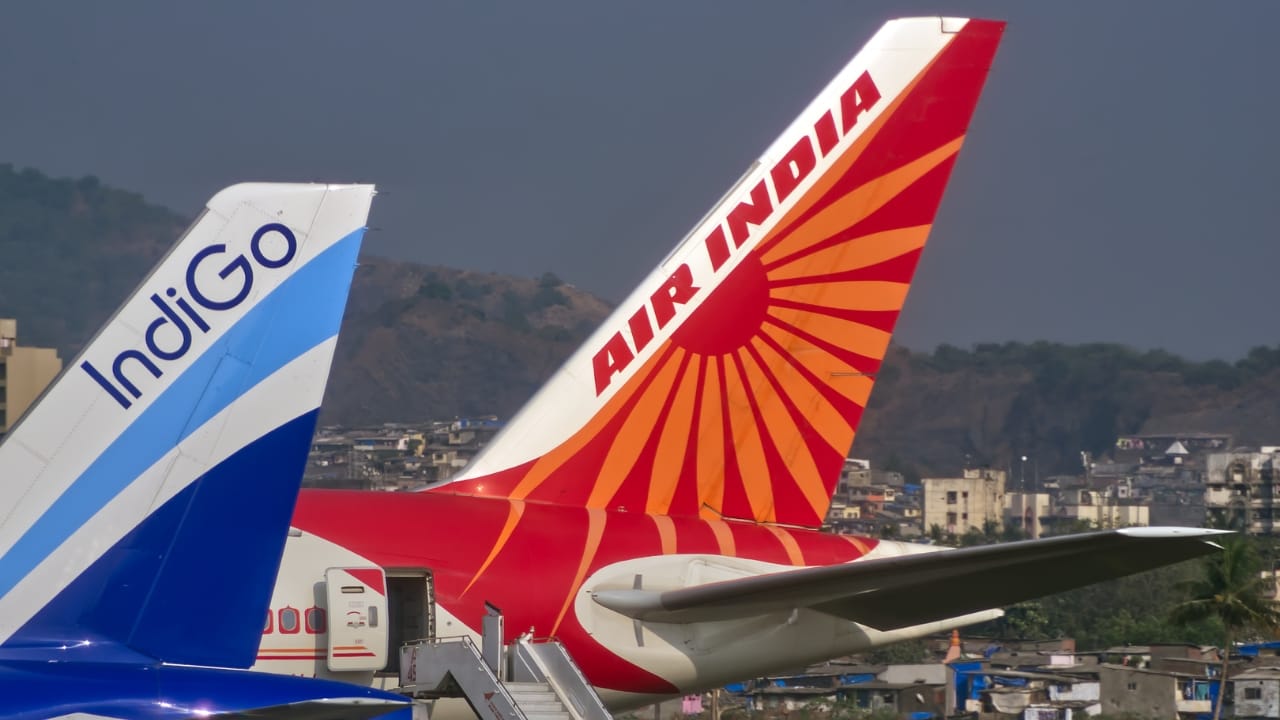
India’s aviation ambitions face turbulence as lawmakers warn that severe staffing shortages at the country’s air safety regulator and air traffic control system pose mounting risks to safety in one of the world’s fastest-growing aviation markets.
A parliamentary committee on transport, tourism and culture said in a report released Wednesday that the Directorate General of Civil Aviation (DGCA) is struggling with “a profound and persistent shortage” of technical and regulatory personnel, with almost half of sanctioned posts unfilled. The report described the shortfall as “an existential threat to the integrity of India’s aviation safety system,” reported Reuters.
The committee’s findings come in the wake of the deadly Air India Boeing Dreamliner crash in June, which killed 260 people and was the world’s worst aviation disaster in a decade. The tragedy shook confidence in Indian aviation at a time when Prime Minister Narendra Modi had just told global airline leaders in New Delhi that India was banking on a booming air travel sector to support its broader development goals.
Lawmakers said the regulator’s weaknesses had been exposed not only by the crash but also by several recent helicopter accidents in northern India. They urged urgent reforms to recruitment and oversight systems.
At the heart of the regulator’s staffing crisis, the committee said, is an outdated recruitment process in which a third-party agency hires personnel on behalf of the DGCA. The civil aviation ministry itself has described the system as “slow and inflexible.”
This has hampered efforts to bring in and retain highly skilled specialists, creating a situation where almost half of posts remain vacant. Civil aviation minister Ram Mohan Naidu told lawmakers last month that the government would move to fill 190 of the more than 500 vacant positions by October, though critics argue that such stop-gap measures do not address structural issues.
The committee recommended a focused recruitment campaign to attract technical talent and suggested that a new independent authority might eventually replace the DGCA to rebuild confidence.
The report also highlighted severe strain within India’s air traffic control (ATC) system, overseen by the Airports Authority of India (AAI). Shortages of trained controllers, combined with poor workforce planning, have left existing staff under immense pressure.
The committee said some controllers were inadequately trained, while duty hour regulations designed to prevent fatigue were often not enforced. This “deeply troubling practice” raised the risk of exhaustion-related mistakes — a serious concern given India’s expanding air traffic and congested skies.
India has been one of the fastest-growing aviation markets, with domestic traffic bouncing back strongly after the pandemic and international carriers rapidly adding routes to and from Indian cities. Industry forecasts suggest the country could become the world’s third-largest aviation market within this decade, behind only the US and China.
But the safety concerns highlighted by lawmakers risk undermining confidence in that growth story. The DGCA is responsible for licensing pilots, certifying aircraft, and ensuring compliance with international safety standards. Persistent understaffing raises questions about whether oversight can keep pace with the sector’s expansion.