







AI & Emerging Tech
A New Wave: How AI is powering upskilling in India's small cities





As more than one crore young people join the workforce each year, India's strength is shifting from sheer numbers to digital skills.
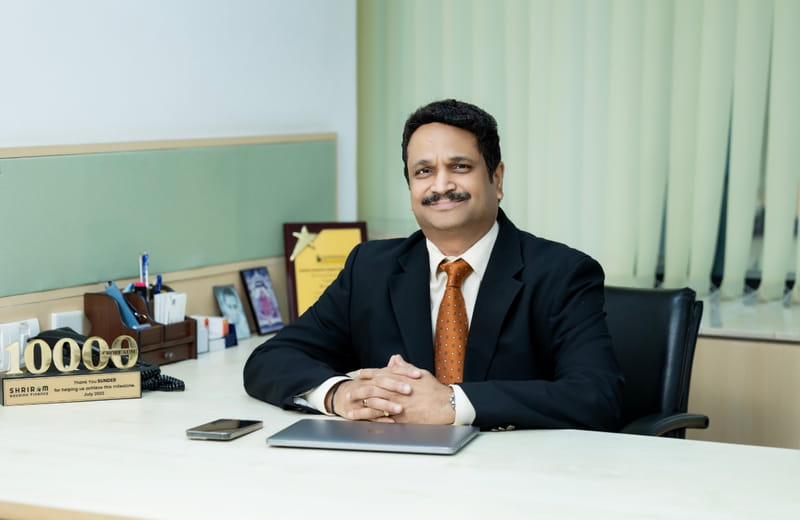
By S. Sunder
In India's smaller cities, learning AI isn't just about keeping up—it's helping people grow in their careers right where they are. Instead of moving to metros, employees are using digital skills to find new opportunities and build their futures locally.
As more than one crore young people join the workforce each year, India's strength is shifting from sheer numbers to digital skills. In smaller cities like Solapur, Siliguri, and Surat, AI tools are helping young professionals stand out, grow their confidence, and showcase their talent. This digital wave is empowering professionals to grow and thrive directly within their communities.
Still, not everyone has the same internet or learning options—some towns find it harder to take advantage of these new opportunities. People also have doubts about new technology, and fewer resources can make it tough for everyone to keep up at the same pace.
Adapting quickly in a changing landscape
India has emerged as a global leader in AI adoption, with workplace usage increasing from 46% in 2024 to 77% in 2025, a 30% surge within a year. That growth is visible not just in Bengaluru and Gurugram, but also in tier-2 and tier-3 cities, where local enterprises are integrating AI into logistics, finance, and manufacturing.
Indore is witnessing a rise in AI-enabled roles, Meerut is applying AI in precision agriculture, and Jaipur is emerging as a hub for retail and logistics-focused AI solutions. Together, these cities are shaping the next wave of AI-enabled employment ecosystems that bridge local talent with global opportunities.
Consider a young mechanical-design trainee in Coimbatore who now collaborates with global clients using AI-enabled design assistants and translation tools. Her story mirrors thousands like her—quiet proof that digital confidence is no longer defined by geography but by curiosity.
Localised training opens doors to digital growth
A key enabler of this shift is accessible training delivered in Indian languages and through inclusive formats. The SOAR – Skilling for AI Readiness initiative by the Ministry of Skill Development and Entrepreneurship exemplifies this: it offers targeted modules for school students (Classes 6-12) and educators, focusing on foundational AI concepts, ethical AI and machine learning.
For instance, the AI Pragya initiative in Uttar Pradesh aims to train 10 lakh citizens in digital skills, including artificial intelligence, machine learning, data analytics, and cybersecurity. Such programs are instrumental in bridging the digital divide and empowering non-metro employees.
Career growth ambitions drive the shift
For many mid-career professionals and graduates alike, AI proficiency has become the new language of ambition. Multiple workforce studies show that while professionals are increasingly confident about adapting to AI-driven roles, confidence alone isn't a capability.
The need of the hour is a blend of technical fluency and human strengths—communication, critical thinking, and adaptability. AI tools are helping close this gap through résumé builders, language tutors, and interview simulators that democratise preparation. Employers, in turn, now prize learning agility and curiosity as much as experience or degrees.
How companies are enabling the AI transition
Forward-looking organisations are taking proactive steps to make AI adoption more inclusive and accessible across locations. Many companies are introducing digital literacy programs, internal learning platforms, and vernacular-based training modules to equip their non-metro workforce with the right skills. By connecting AI to day-to-day tasks such as process automation, customer data analysis, or predictive maintenance, these initiatives are helping employees see tangible value in the technology.
Companies are also building blended learning models that combine classroom sessions, online modules, and peer mentoring to ensure employees not only use AI tools but also understand how they improve efficiency and outcomes.
How employees are embracing change
Employees in non-metro areas, in turn, are showing remarkable enthusiasm and adaptability. Many are taking self-paced online courses, joining peer learning groups, and experimenting with AI-driven applications to simplify their daily work.
Whether it's using chatbots for quick data retrieval, generating reports through AI tools, or streamlining administrative tasks, employees are finding practical ways to apply what they learn. This growing comfort with technology reflects a larger mindset shift where AI is seen less as a disruptive force and more as an opportunity for personal and professional growth.
Looking Ahead
As AI continues to redefine the workplace, the role of non-metro employees will be crucial in shaping India's digital future. Their adaptability and eagerness to learn position them as key drivers of innovation and productivity. To support this, it is essential to invest in scalable, localised training programs and create pathways for career advancement that recognise digital competencies. By doing so, we can ensure that the benefits of AI adoption are inclusive and far-reaching.
The rapid adaptation of non-metro employees to AI and digital processes underscores the resilience and forward-thinking mindset prevalent across India's diverse workforce. By embracing vernacular-friendly training and fostering an environment conducive to continuous learning, non-metro regions are not just keeping pace; they are leading the charge in the digital transformation of the workplace.
The rapid adaptation of non-metro professionals to AI underscores the resilience and inventiveness of India's workforce. In these towns, the locals are using digital skills to open new doors and shape their careers—one opportunity at a time.
(The author of this article is the Joint Managing Director & CFO at Shriram Finance.)
Topics
Loading...