







AI & Emerging Tech
Organisations shouldn't automate everything they can: Srinivas Konidena, ADP






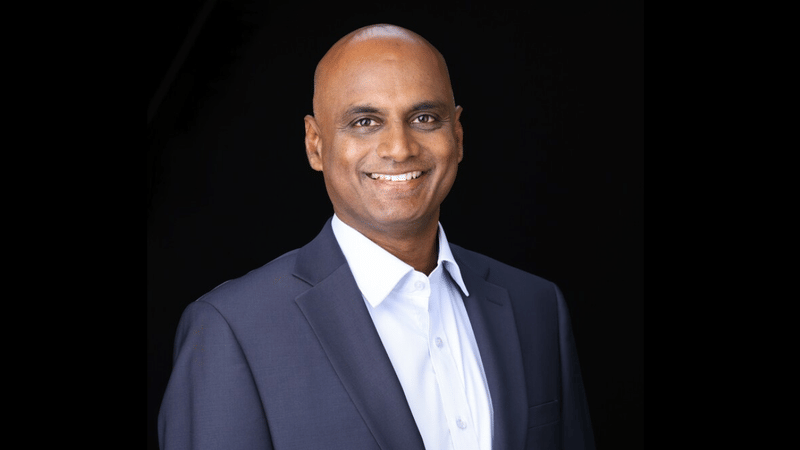
Leaders have a responsibility to continue building on three things: capability, trust, and a culture of continuous learning.
Few interactions between an employee and an organisation are as fundamental as getting paid accurately and on time. As AI begins to reshape payroll, from detecting anomalies and automating compliance checks to connecting pay data with wider workforce decisions, the opportunity is much bigger than efficiency. It is also a test of trust: how far should organisations automate, where must human judgement remain, and can payroll evolve from a back-office process into a source of intelligence without losing the accountability employees depend on?
In this conversation, Srinivas Konidena, VP – Product and Engineering GCC and VP – APAC Products at ADP, discusses how AI is changing payroll and workforce management, why human accountability must remain central, and what leaders need to get right as they build more intelligent, connected and trusted workplaces.
Q1. Pay is
one of the most fundamental promises an employer makes. As technology
transforms it, how can organisations ensure efficiency also strengthens
employee trust?
The increasing proliferation of technology and AI has also made its way to payroll - a core process in any organisation. The process of payroll is based solely on trust placed by an employee in the organisation - the trust in being paid accurately, on time and in compliance with all regulations. The implementation of technology must aid in making this process faster, while also improving accuracy, consistency and responsiveness.
AI is already helping organisations deliver that consistency by reducing manual effort, identifying anomalies before payroll is processed and handling routine tasks at scale. For example, it can flag a large variation in pay or an unexpected change in salary of an employee before it gets processed, significantly reducing the human time needed to individually go through every payment being calculated.
That said, understanding whether it's an
error, a legitimate business change or the result of a policy exception still
requires human judgement. Payroll professionals continue to play a critical
role in making judgement calls, bringing context, applying policy fairly and,
most importantly, ensuring employees can trust the outcome.
That balance between technology and human expertise becomes even more important
as payroll takes on a broader role within organisations. Our latest research
found that over 94% of organisations surveyed report payroll data now plays a
meaningful role in decisions on hiring, retention and cost management,
reinforcing payroll's role as a critical source of insight in building an
AI-powered workforce.
As technology enables payroll and makes it more strategic, ensuring it is fair, accurate and timely, is the best, and safest way, to honour and build on the trust that an employee places in an organisation.
Q2. As AI moves from answering questions to completing payroll and HR workflows, what should organisations automate and where must human accountability remain?
As AI becomes more capable, the question is no longer whether organisations should automate, but what they should automate. The best starting point is repetitive, rules-based work that benefits from speed and consistency. In payroll and HR, that includes routine validations, anomaly detection, document processing, standard employee queries and compliance checks. Automation can therefore take care of repetitive work and surface insights, giving teams more time to focus on decisions that require context, such as applying new regulations, resolving payroll disputes, supporting workforce planning or managing employee-specific exceptions.
That said, organisations shouldn't aim to automate everything they can. They should automate processes where technology can deliver speed and consistency, while enabling people to focus on the decisions that require experience, context and accountability.
The more critical part - accountability - should always remain with people. Whether it's interpreting a policy, applying new regulations or handling sensitive employee matters, these decisions require context, empathy and an understanding of the business that AI alone cannot provide. AI, therefore, becomes a tool for better work, not simply more automation.
Q3. With HR, payroll and workforce data becoming more connected, how can leaders turn this intelligence into better people and business decisions?
When different sets of workforce data come together, leaders can stop making decisions based on assumptions and start making them based on on-ground realities in an organisation. Payroll data can show changing labour costs, HR data can highlight hiring or retention trends, and workforce data can reveal how teams are working. Let us understand it through some examples of how access to data gives leaders a much clearer picture when they need to act.
Payroll data may show that overtime costs are steadily rising in a particular business unit. When combined with HR data that indicates increased attrition and workforce data that highlights higher workloads, leaders can identify a potential capacity issue and take action by recruiting additional talent, redesigning workloads, or investing in automation before employee burnout affects productivity.
Similarly, by connecting payroll, performance and skills data, organisations can identify teams where compensation is no longer aligned with market realities or employee contributions. This enables more targeted reward strategies that improve retention of critical talent rather than relying on broad, organisation-wide pay increases.
We're seeing HR and Payroll play a much bigger role in these conversations
today. It is no longer viewed only as an operational function. It has become a
valuable source of insight that helps organisations plan ahead with greater
confidence.
Q4. For organisations operating across markets, how can they balance global consistency with local compliance, culture and employee expectations?
Global organisations need consistency in their standards, but flexibility in how those standards are delivered.
An employee in India, Germany or Singapore should have the same confidence that they'll be paid accurately, securely, and on time. But behind that experience, every market has different tax rules, statutory benefits and labour regulations. India is preparing for the implementation of the new Labour Codes, while countries such as Belgium, France and the Netherlands have introduced changes around overtime, flexible working and holiday pay calculations. These differences mean that a single, standardised process cannot simply be applied everywhere.
The balance comes from having a common global framework while giving local teams the flexibility to implement it in a way that meets legal requirements and reflects local expectations. That common global framework should define areas such as payroll accuracy and data security, but decisions around compliance should always be informed by local expertise. Technology can support this by providing consistency in processes, while allowing organisations to adapt to changing regulations without creating a different employee experience in every country.
To sum it up, when organisations combine clear global standards with local knowledge, they're better placed to stay compliant, build employee trust and deliver a consistent experience wherever they operate.
Q5. TechHR’s theme is “Lead the Legacy.” What must leaders build today to create a future of work that is not only more intelligent, but also more trusted and human?
To me, "Lead the Legacy" is about building organisations that are ready for change without losing sight of the people behind it.
As AI becomes part of everyday work, leaders have a responsibility to continue building on three things: capability, trust, and a culture of continuous learning. Employees need the skills and confidence to work with new technologies. They also need to understand how AI is being used and know that important decisions continue to be guided by people, with clear accountability.
Leaders also need to create an environment where people understand how AI is being used and where accountability lies. Whether it's payroll, hiring or workforce management, technology should help people make better decisions, while responsibility for those decisions remains with people. Technology will continue to reshape the workplace, but trust will determine how successfully organisations adapt to that change.
To me, that's what "Lead the
Legacy" means. It's about building workplaces where innovation is matched
by transparency, trust and a genuine commitment to helping employees build
confidence and succeed alongside technology.
Author
Loading...