







DEI Strategy
'Young talent is more focused on culture and purpose': Harish Iyer, Head DE&I, Axis Bank





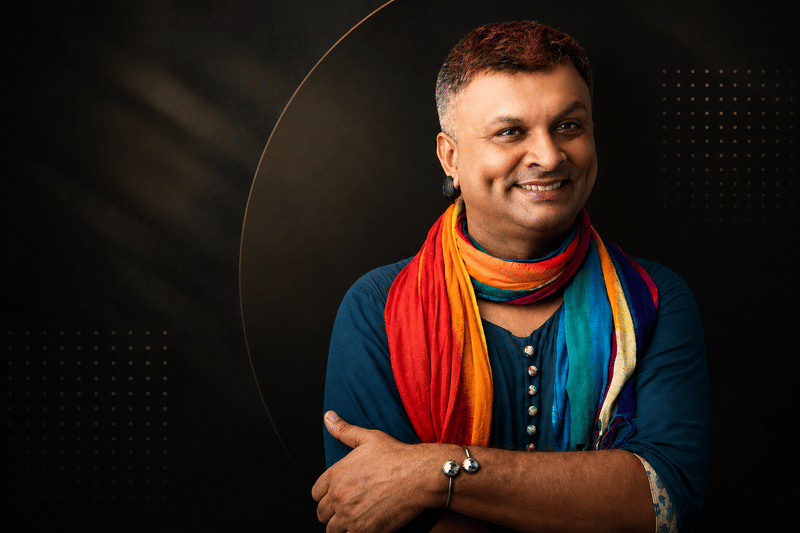
Young professionals are evaluating organisations differently. They are looking beyond job descriptions towards culture, flexibility, purpose and inclusion. Ahead of the People Matters BFSI Tech & Talent Summit 2026, Harish Iyer explains why future-ready organisations must redesign systems, not just hiring strategies.
For years, diversity in corporate India has been framed around representation targets, hiring mandates and annual reports. That approach measured success by who entered an organisation rather than who thrived in it. Harish Iyer, Head DE&I at Axis Bank, says that framing is increasingly inadequate for today’s workforce. Organisations now face simultaneous pressures — AI adoption, shifting workforce expectations and intensified competition for talent — and diversity needs to be reframed to meet those realities.
“Diversity is not a quota or a good deed of the day,” he says. “It is about how you work, how you evaluate, and how you open avenues for people who are wired and live differently.”
Focus on culture and purpose
The distinction matters because incoming talent evaluates employers differently from previous generations. Stability, career progression and brand reputation still count, but they no longer suffice. Younger professionals often assess something less tangible before they assess the role itself: the culture and the vibe of the organisation, and whether they feel included.
Candidates are not just comparing jobs; they are comparing experiences and deciding whether an organisation reflects the way they want to live and work. That shift is forcing leaders to rethink workplace design.
Flexibility as an inclusion tool
Flexible work arrangements offer a clear example. Long before hybrid became a universal talking point, Axis Bank had started creating varied working modalities across parts of the organisation. The aim was not flexibility for its own sake but access.
He adds that flexible working can ease commuting constraints and improve access by enabling collaboration that is increasingly independent of location or on-site presence.
What is often presented as a flexibility initiative is, in practice, an inclusion intervention. Remote and hybrid models create entry points for talent that might otherwise face barriers, including persons with disabilities, members of the LGBTQ+ community, caregivers, or people who work differently. This shows how diversity is becoming deeply intertwined with how work itself is designed, rather than being a separate compliance metric.
Technology helps, but intention leads
Much of the conversation about future-ready workforces centres on technology, but technology alone cannot make organisations ready. “It is not an either-or between technology and diversity,” Iyer says. “You have to keep pace with technology and you have to bring in diverse talent because that is how you get diverse perspectives and diverse thought.”
That point becomes especially relevant with AI. While some hope AI can reduce bias in hiring, Iyer argues technology is an enabler, not a substitute for intention. “AI does not replace anything. AI organises everything.” Equitable outcomes remain the responsibility of leaders; decisions such as skill-based hiring, inclusive language in job ads, regular workforce analysis and proactive outreach must still be made by humans. AI can accelerate processes but cannot make the value judgements required to ensure fairness.
Hire for skills, not just CVs
Iyer challenges organisations to make “future-ready” actionable. For him, that means centring skills. Axis Bank’s talent philosophy recognises that skills are transferable across roles: someone who manages stakeholder expectations in HR may translate effectively into a customer-facing position, and a product storyteller could add value in corporate communications.
Hiring for skills rather than narrowly defined job histories expands the talent universe and aligns with younger workers’ expectations for mobility, reinvention and lateral movement within organisations.
BFSI’s hidden advantage
This approach also highlights a strength of the BFSI sector that is often overlooked. Though sometimes perceived as traditional, banking and financial services offer a wide diversity of roles and constant learning: new regulations, new products and tech-driven change create continuous opportunities. “There is never a done thing in banking,” Iyer notes.
That continual evolution opens pathways that did not exist a decade ago and makes the sector attractive for professionals who want variety and growth.
Design systems, don’t just announce intent
The larger point is simple: the future of talent in BFSI will not be decided by technology or hiring practices alone. It will be determined by whether organisations design systems that let different kinds of people, with varied experiences and skills, contribute meaningfully.
Success will not come from loudly declaring commitments to diversity, future readiness or AI, but from embedding those principles into the everyday experience of work.
As HR leaders gather at the People Matters BFSI Talent & Tech Summit 2026 in Mumbai on June 4, the practical conversation about redesigning systems — not just checking boxes — is the one worth watching most closely.
Iyer will join the summit with other industry leaders for a panel discussion titled "Why Young Talent Isn't Choosing You — And How to Change That."
Stay with us for more such industry insights.
Author
Loading...