







Diversity Equity Inclusion
Beyond policies: How Khaitan & Co is embedding inclusion into India’s legal profession





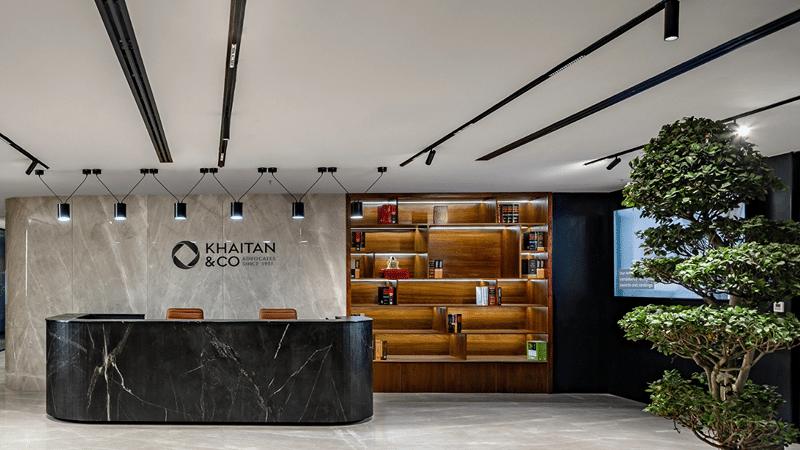
Here's how Khaitan & Co. is embedding DEI into workplace practices, leadership and employee experiences beyond standalone initiatives.
The Indian law firm has expanded its inclusion efforts through employee-led dialogue, mental health training, workplace flexibility and research on women’s leadership, while seeking to embed DEI into organisational systems.
Diversity, equity and inclusion (DEI) initiatives often begin with awareness campaigns and workplace policies. The harder task is translating these commitments into everyday practices that influence employee experiences, leadership decisions and career progression.
For Khaitan & Co, this has been the focus of ARISE (Accept, Recognise, Inspire, Support and Empower), a firm-wide DEI and wellbeing initiative launched in 2019. Initially structured around four pillars i.e. gender, mental health and wellbeing, LGBTQIA+ inclusion, and disability inclusion, the initiative has evolved to focus on employee participation, institutional accountability and inclusion beyond the workplace.
The shift comes as organisations face growing expectations to demonstrate how their DEI commitments translate into tangible outcomes. For the law firm, the challenge has been to move beyond standalone programmes and integrate inclusion into workplace systems, leadership practices and employee experiences.
During the assessment period, Khaitan & Co focused on three areas: building practical capabilities around inclusion, strengthening internal accountability and extending its work through research and cross-sector collaboration.
Moving beyond awareness
One of the challenges in advancing DEI is ensuring that awareness translates into changes in workplace behaviour. Khaitan & Co has sought to address this through facilitated discussions, practical training and opportunities for employees to engage with different perspectives.
Its Listening Circles, initially designed as women-focused forums, have expanded to include mixed-cohort discussions across offices and seniority levels. The confidential sessions cover leadership, mentorship, wellbeing and professional growth.
Since their launch, the circles have engaged more than 430 participants, creating opportunities for employees to discuss workplace experiences and learn from their peers.
Mental health has been another focus. The firm introduced a customised Mental Health First Aid (MHFA) programme for professionals in human resources, learning and development, and learning and resourcing. Following an initial pilot, 25 professionals completed a two-day workshop designed to help them recognise potential signs of mental distress, initiate supportive conversations and guide colleagues towards appropriate resources.
In disability inclusion, a collaboration with Atypical Advantage resulted in an Indian Sign Language workshop attended by more than 25 members. The session combined awareness of the experiences of the deaf community with practical learning of basic sign language.
During the reporting period, more than 400 members participated in fireside chats, workshops and leadership conversations, while Pride Month engagements reached over 250 members across offices. More than 690 members also completed DEI induction programmes.
These figures indicate the reach of the initiatives, although participation alone does not establish whether workplace behaviours or employee experiences have changed over time.
Embedding inclusion into organisational systems
A second priority has been to ensure that DEI does not operate as a separate function without broader organisational ownership.
Khaitan & Co has established a governance structure supported by two dedicated DEI professionals, a cross-functional Member Resource Group representing offices and practice groups, senior leadership sponsorship, dedicated budgeting and annual planning and review mechanisms.
The firm has also introduced measures intended to recognise inclusion-related work as part of employees’ formal responsibilities. Members can record their DEI contributions within the Objectives and Key Results (OKR) framework, creating a mechanism to acknowledge this work beyond participation in standalone programmes.
Workplace policies form another part of the approach. These include menstrual leave, wellness leave, recuperation leave, sabbatical leave and LexFlex, which provides flexibility for professionals requiring alternative working arrangements.
During the reporting period, 352 members availed menstrual leave, 81 used recuperation leave and seven took sabbatical leave.
The firm’s Employee Assistance Programme (EAP) has been used by more than 145 members over the past three years. Webinars and awareness campaigns have complemented this support, while feedback from wellbeing surveys, EAP assessments and employee discussions has informed subsequent interventions.
Together, these measures reflect an effort to connect inclusion with workplace processes, employee support and organisational accountability. Their longer-term effectiveness will depend on consistent implementation and whether employees experience these provisions as accessible and relevant to their needs.
What the representation data shows
Gender representation provides one measure of progress across the firm’s workforce. Women account for 50% of associates and 39% of senior management positions at Khaitan & Co.
Women represent 25% of the partnership, a reported increase of 73.3% since 2020. Representation in senior management has increased by 33.3% over the same period.
The firm has also maintained gender parity in campus hiring, with women accounting for approximately half of entry-level recruits.
These figures offer a snapshot of representation across different career levels. However, hiring parity does not necessarily translate into equitable progression or retention. Access to leadership opportunities, workplace flexibility and the ability to balance professional responsibilities with personal circumstances also influence whether representation is sustained.
The firm has reported changes in its LGBTQIA+ inclusion journey as well. From having no openly out members in 2020, several employees have since chosen to come out in the workplace. The firm also reports that new joiners increasingly cite its inclusive culture as a factor in their decision to join.
While these developments provide indications of employee experience, they do not independently establish the overall extent of cultural change. Continued employee feedback and evidence on retention, progression and workplace experiences would help assess the longer-term impact.
Extending the work beyond the firm
Khaitan & Co has also used its legal expertise and research capabilities to contribute to wider discussions on inclusion.
In collaboration with Aon and Ladies Who Lead, it published Presence to Influence: Women in Indian Boardrooms, a study combining quantitative analysis of BSE 200 companies with qualitative interviews with 40 independent women directors.
The report examines factors shaping women's influence in boardrooms, moving beyond representation figures to consider structural and cultural barriers. Associated roundtables and launch events brought together more than 80 senior leaders from corporate, regulatory and legal backgrounds to discuss gender diversity in governance.
The firm has also developed resources aimed at making legal information more accessible. These include the Handbook on Rights of Persons with Disabilities, produced with the Godrej DEI Lab, and the Compendium on LGBTQIA+ Rights, published with the Keshav Suri Foundation and Senior Advocate Saurabh Kirpal.
Collaborations with organisations including Societe Generale, Godrej Properties, UBS, Irwin Mitchell, NASSCOM and Rainbow Lit Fest have provided additional platforms for cross-sector discussions and the exchange of practices.
Such engagement extends the initiative beyond internal programmes, allowing the firm to contribute legal and research-based perspectives to broader workplace inclusion discussions. It also creates opportunities to learn from evolving client expectations and approaches adopted across sectors.
The challenge of measuring sustained impact
In 2025, Khaitan & Co was assessed as “Progressive” on Aon’s DEI Maturity Curve, recognising aspects of its governance, leadership commitment, strategy and talent practices. Its work has also received recognition or shortlisting through the India Workplace Equality Index, Financial Times Innovative Lawyers Awards Asia-Pacific, Chambers Asia-Pacific Awards and Asia Legal Awards.
These acknowledgements provide external indicators of the development of its DEI approach. However, the central question for the firm, as for other employers, is whether initiatives produce sustained improvements in workplace experiences and opportunities.
Participation numbers measure programme reach; policy uptake indicates use; and workforce data captures representation.
None, on its own, demonstrates the full extent of behavioural or cultural change. Assessing that change requires these indicators to be considered alongside employee feedback, career progression, retention and the consistent application of workplace policies.
Khaitan & Co’s experience highlights the importance of connecting these elements rather than treating DEI as a collection of individual programmes.
The next phase of ARISE will depend on maintaining employee engagement, strengthening leadership and cross-functional ownership, and using evidence to refine workplace practices. The broader takeaway for employers is that inclusion requires more than formal commitments: it must be reflected in organisational systems, professional relationships and the opportunities available to employees.
Topics
Loading...