







Diversity Equity Inclusion
From taboo to transformation: How Sirona’s Deep Bajaj is making India period positive





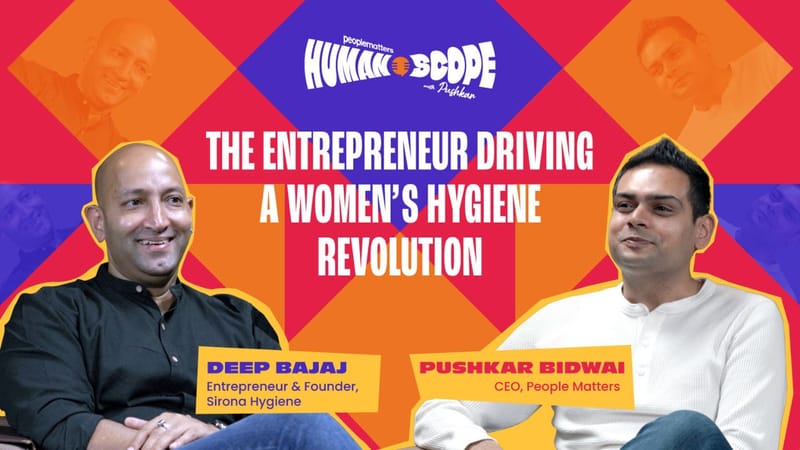
Deep Bajaj is breaking taboos and building dignity with Sirona, creating solutions from menstruation to menopause for truly inclusive hygiene.
“If puberty to menopause is the spectrum we operate in, let’s identify every small, neglected problem, and solve it.”
In a country where conversations about women’s hygiene often remain hushed, Deep Bajaj, entrepreneur, investor, and founder of Sirona, has built a business by speaking openly about the unspoken. From launching India’s first stand-and-pee device, Peebuddy, to creating an entire product ecosystem that supports women through every stage, from menstruation to menopause, Bajaj has turned deeply personal observations into scalable solutions.
In an exclusive episode of Humanscope with People Matters CEO and Co-Founder Pushkar Bidwai, Deep shares the professional and personal experiences that sparked his mission, the challenges of disrupting entrenched social taboos, and why empathy, not just innovation, is at the core of his approach.
A journey from one road trip to a movement
The idea for Peebuddy emerged during a road trip to Jaipur in 2013, when Deep realised that while men could easily relieve themselves on the go, women often avoided drinking water to avoid unhygienic public toilets. Drawing from his experiences in event management and witnessing the struggles of his wife, mother, and female customers, he developed India’s first female urination device.
What began as a single product soon expanded into Sirona, a brand tackling unaddressed feminine hygiene issues: herbal pain relief patches, menstrual cups, disposal bags, intimate care solutions, and even products addressing menopause, an area Bajaj says is “literally not talked about.”
Breaking taboos, designing for inclusion
For Deep, building for women isn’t just about products, it’s about reshaping environments. “If we can make workplaces more welcoming for women, whether through making period products available or normalising discussions about menstruation, we’re doing the right thing,” he says.
Sirona has partnered with airports, hotels, and workplaces to place vending machines dispensing the full range of menstrual products, sometimes outside washrooms to help break the taboo. His approach extends beyond corporate offices to manufacturing floors, frontline jobs, and public spaces, recognising that true inclusion requires empathy at every level.
Turning empathy into enterprise
Deep’s vision also includes women’s safety. Through the Sirona Foundation, every product sold contributes to initiatives tackling period poverty and providing safety tools like pepper spray to vulnerable women. “We can’t just solve for the fancy offices in cyber hubs; we have to address needs across the board,” he emphasises.
After selling Sirona in 2021, Bajaj bought it back in 2025, becoming its “refounder” to continue driving change. “Nothing has happened in this space compared to what needs to happen,” he says, outlining plans to address menopause more directly and encourage workplaces, hospitality, and public infrastructure to become truly period positive.
A call for cultural change
Beyond products, Bajaj believes the conversation must expand to mental health, empathy training for men, and inclusion of the LGBTQ+ community in hygiene solutions. His message to HR and business leaders is clear: “The least you can do if you’re hiring women is fix the washrooms. Equal opportunities start with equal access.”
For more insights from this inspiring conversation, watch the full episode on the People Matters YouTube channel.
Stay tuned to our new podcast series, Humanscope, where we explore the journeys of extraordinary individuals who challenge norms, seize opportunities, and lead with purpose, shaping workplaces and communities for the better.

Loading...