







Economy Policy
Rethinking talent strategies amid H-1B visa overhaul





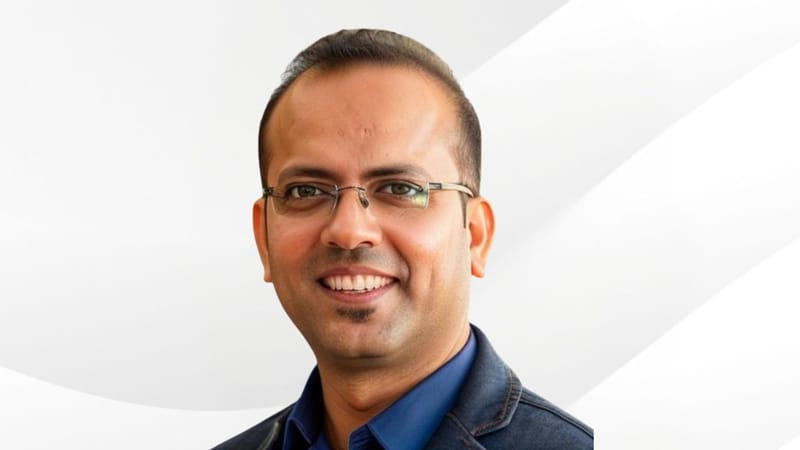
H-1B visa overhaul may curb Indian tech mobility, but leaders see it driving reverse brain drain, GCC growth, and domestic innovation.
The recent overhaul of the H-1B visa program by the Trump administration, including a 50-fold hike in skilled worker permit costs to $100,000, has sent shockwaves through the global tech industry. Indian IT professionals comprise the largest share of H-1B holders. Of the H-1B petitions approved in FY 2024, 71% were for beneficiaries whose country of birth was India. The second most common country of birth was China, accounting for approximately 12% of all beneficiaries. Apart from India and China, the other eight countries in the top ten collectively account for just 7% of beneficiaries. Approved petitions for beneficiaries born in India and China combined make up a larger share of continuing employment (89%) than of initial employment (71%).
According to Amit Kumar Sahoo, CHRO & Board Director at Narwal Inc, the changes signify the “end of mobility as the default workforce solution.” He believes companies must fundamentally rethink their talent strategies, both in the U.S. and India.
Rethinking Workforce Models in the U.S. and India
“In the US, organisations need to deepen local hiring pipelines through campus programs, apprenticeships, and reskilling initiatives to reduce dependence on visas,” Sahoo explains. “In India, companies must move beyond cost-arbitrage and scale Global Capability Centres (GCCs) into advanced innovation hubs that take ownership of end-to-end product development, R&D, and AI-driven transformation.”
He emphasises that building distributed workforce models is crucial—structuring global teams to balance customer proximity with capability depth. To retain top talent, Sahoo suggests offering principal-level career tracks, patent incentives, and intrapreneurship programs, making staying in India as attractive as working abroad.
India’s opportunity: Turning brain drain into brain gain
The question arises: could restrictions on Indian migration to the US accelerate domestic innovation and entrepreneurship?
Sahoo believes so. “India already has the right ingredients: more than 1,700 GCCs, a startup ecosystem with over 150,000 recognised ventures, and strong digital infrastructure such as UPI and India Stack. If migration slows, ambition and expertise can be redirected inward, fueling entrepreneurship, deep-tech R&D, and stronger domestic ecosystems.”
However, he cautions that India’s readiness is uneven. “We excel in talent density and digital infrastructure, but face gaps in patient capital for deep-tech, faster technology transfer from labs to market, and consistent ESOP and IP policies. Addressing these gaps will be critical to truly convert brain drain into brain gain,” he says.
Role of corporates and policymakers
For India to effectively absorb high-skilled talent, both corporates and policymakers must act decisively.
“Corporates must give India teams global product charters, invest in internal venture programs, and build robust academia-industry pipelines,” Sahoo suggests. “This ensures that talent not only delivers but also innovates and builds intellectual property from India.”
On the policy front, Sahoo highlights key reforms:
• Reform ESOP taxation to make long-term wealth creation attractive.
• Expand co-investment funds to support deep-tech ventures.
• Launch national AI apprenticeship programs to keep mid-career professionals relevant.
• Introduce returnee-friendly measures such as innovation visas, tax incentives, and diaspora-focused funds to encourage global Indians to bring back skills, networks, and capital.
“These actions can ensure that high-skilled talent is not just retained but meaningfully contributes to India’s innovation ecosystem,” he concludes.
The road ahead
The H-1B overhaul may initially appear as a setback for Indian tech talent, but leaders like Amit Kumar Sahoo see it as a catalyst for transformation. By strengthening local ecosystems, scaling innovation hubs, and enabling returnee talent, India has the opportunity to turn this challenge into a reverse brain drain advantage—propelling itself into the next phase of global innovation leadership.
Topics
Author
Loading...