







Employee Skilling
The Future of Talent: Upskilling, reskilling, and continuous learning



|
Updated on


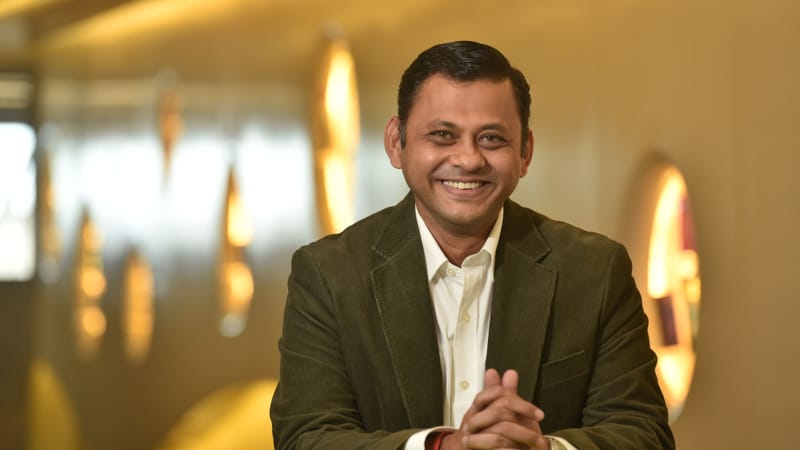
Past learnings prove that a one-time upskilling or reskilling initiative is not enough. To stay competitive, organisations must cultivate a culture of progress that encourages employees to develop new skills throughout their careers.
By Amit Prakash
As technology advances, the future of work isn’t just changing; it’s transforming, driven by shifting workforce expectations and business models. Automation, artificial intelligence, and digital transformation are redefining job roles, making upskilling, reskilling, and continuous learning essential for workforce sustainability.
Future-proofing the workforce goes beyond addressing skill shortages; it involves building a culture of continuous learning that ensures employees grow within the organisation. When companies consciously invest in growing their own people, they don’t just retain knowledge. They build a workforce that understands the organisation from the inside out, and is far more aligned, adaptable, and future-ready.
The changing workforce landscape
For decades, career development in most industries has followed a linear path, where professionals built deep expertise in a single function and progressed within that domain. Today, that is no longer the norm. Now, opportunities are proactively requested by the workforce to assist learning, acquire new skills, shift roles, or learn something outside their function. This curiosity is healthy, and organisations need to create space for it. Being future-ready means companies must create a continuous learning culture that extends beyond corporate training to include offerings such as online courses, mentorship, and real-world experiences. When people can learn, grow and evolve within a company, it not only strengthens their careers but also creates organisational resilience that simply cannot be acquired from the outside.
The power of upskilling and reskilling for the future
Upskilling enhances employees' existing skills to keep pace with industry advancements, allowing them to take on expanded responsibilities within the organisation. This reduces training costs, retains company knowledge, and supports internal mobility. A pulse survey by RGP found that nearly 45% of financial decision-makers plan to increase investment in resources to reskill or upskill current employees this year. Similarly, a World Economic Forum study found that 58% of employees believe their job skills will change significantly over the next five years due to AI and big data.
Reskilling, on the other hand, prepares employees for new roles when automation or business shifts make existing ones redundant. CHROs must anticipate these changes and collaborate with universities and online course providers to offer accredited training programs. Research shows that reskilling works best when paired with visible support. Therefore, to encourage a mentoring culture at Marico, we have an effective Grow with Members programme that pairs leaders with teams.
Continuous Learning: Embedding a learning mindset
Past learnings prove that a one-time upskilling or reskilling initiative is not enough. To stay competitive, organisations must cultivate a culture of progress that encourages employees to develop new skills throughout their careers. They need to ensure that the leadership champions continuous learning as a strategic priority. It also means creating simple, everyday access to learning programmes, whether through digital platforms, internal knowledge hubs, or peer-led sessions that embed development into the workflow. Implementing incentives, such as certifications or rewards for skill development, will be beneficial.
The next chapter of talent development is being written today, and the organisations that groom their talent from within will be the ones shaping the future. In an era where skills evolve rapidly, the true differentiator for businesses will not just be their ability to attract top talent, but their commitment to developing and retaining it. The question is no longer if companies should invest in learning, but how quickly they can create a structured, engaging, and culturally aligned learning environment.
By promoting a culture of continuous growth, organisations achieve more than just upskilling their workforce. They build a resilient and agile culture centred on flexibility, innovation, and shared purpose. By leveraging digital tools, leadership-led mentorship programs, and cross-functional learning opportunities, companies can ensure that employees are not only prepared for what lies ahead but also play an active role in creating it. When learning becomes ingrained in an organisation's thinking and operations, it quietly fuels both individual growth and sustainable business success.
(The author of this article is the Chief Human Resources Officer at Marico.)
Topics

Loading...